

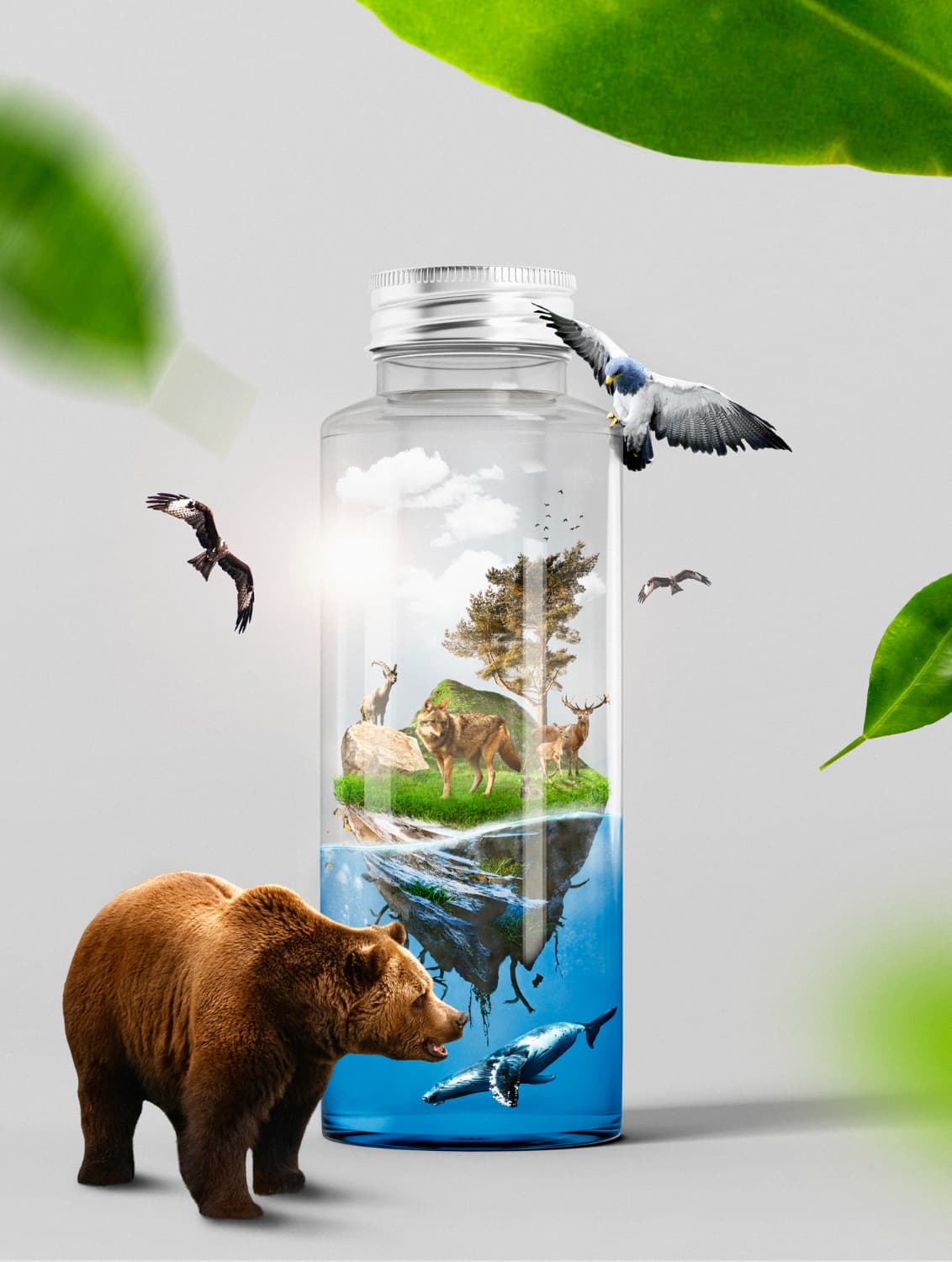
Nature is a relentless teacher, shaping life through challenges that demand innovation, resilience, and survival.
Over millions of years, living organisms have developed remarkable adaptations, biological traits and behaviors that improve their chances of survival in specific environments. From the icy poles to scorching deserts, these adaptations reveal the extraordinary ingenuity of life on Earth.
What Are Adaptations?
Adaptations are characteristics that help organisms survive and reproduce in their environments. They can be structural (physical features), physiological (internal processes), or behavioral (actions or patterns of activity). These traits arise through the process of natural selection, where advantageous features become more common over generations.
Masters of Disguise: Camouflage and Mimicry
One of the most powerful survival strategies is the ability to blend in or imitate something else. Camouflage allows animals to avoid predators or sneak up on prey.
- The chameleon can alter its skin color to match its surroundings, helping it remain undetected.
- The leaf-tailed gecko resembles dead leaves so convincingly that predators often overlook it.
Mimicry takes this a step further. Some harmless species imitate dangerous ones to deter predators, demonstrating that sometimes survival depends on illusion rather than strength.


Extreme Survivors: Thriving in Harsh Environments
Certain organisms have evolved to live in conditions that would be fatal to most life forms.
- The tardigrade, also known as the “water bear,” can survive extreme temperatures, radiation, and even the vacuum of space by entering a dormant state.
- The camel has specialized adaptations like fat-storing humps and water conservation mechanisms that allow it to endure long periods without food or water.
These adaptations highlight nature’s ability to push the boundaries of life.
Understand your relationship. Fix what matters.
Practical, structured relationship courses built for lasting clarity.
Start learningBuilt for Defense: Armor and Chemical Warfare
Some species rely on protection rather than escape.
- The armadillo uses its tough, bony shell as a shield against predators.
- The poison dart frog secretes potent toxins through its skin, making it highly dangerous despite its small size.
In many cases, bright colors serve as a warning signal—a strategy known as aposematism, telling predators to stay away.
Speed, Strength, and Precision
For predators and prey alike, physical performance can mean the difference between life and death.
- The cheetah is built for speed, capable of reaching incredible velocities to catch prey.
- The peregrine falcon achieves astonishing speeds during its hunting dives, making it one of the most efficient hunters in the sky.
These adaptations demonstrate how evolution fine-tunes bodies for peak performance.
Intelligence and Social Behavior
Not all adaptations are physical. Some of the most powerful involve the brain and social cooperation.
- dolphin use complex communication and teamwork to hunt and navigate.
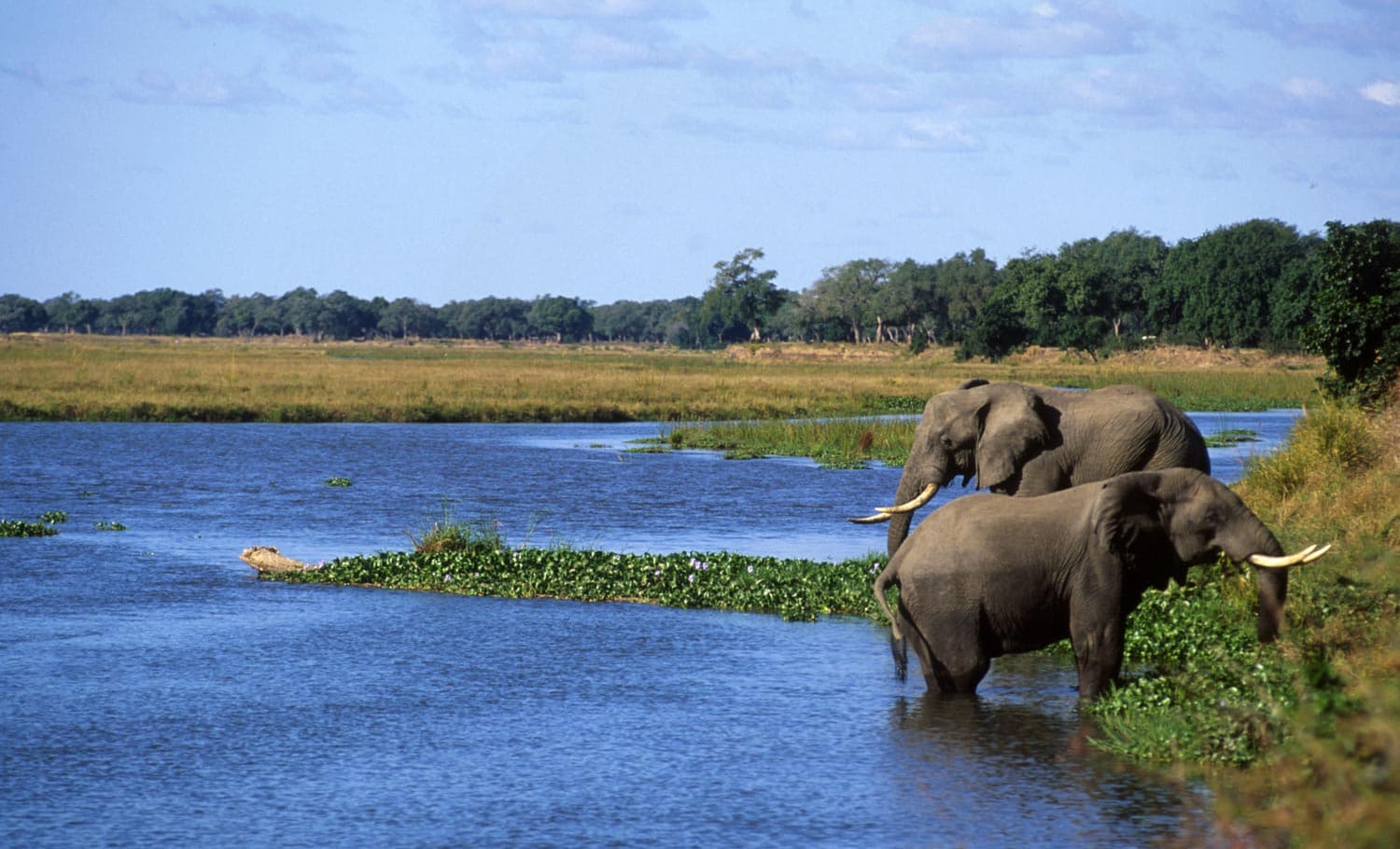
- elephant exhibit memory, empathy, and strong social bonds that enhance group survival.
These traits show that intelligence can be as crucial as physical ability.
Regeneration and Self-Healing
Imagine losing a limb and growing it back. Some species can do exactly that.
- The axolotl can regenerate entire limbs, spinal cord tissue, and even parts of its brain without scarring.
This remarkable adaptation has fascinated scientists and holds potential for medical breakthroughs.
Conclusion: The Power of Adaptation
Nature’s most powerful adaptations are not just about survival, they are about thriving against the odds. Whether through disguise, resilience, defense, speed, intelligence, or regeneration, life continually evolves to meet the challenges of its environment.
These adaptations remind us that the natural world is not static but constantly changing, driven by the forces of evolution. As humans face environmental challenges of our own, there is much to learn from nature’s enduring creativity and resilience.

Comments (0)
No comments yet. Be the first to share your perspective!