

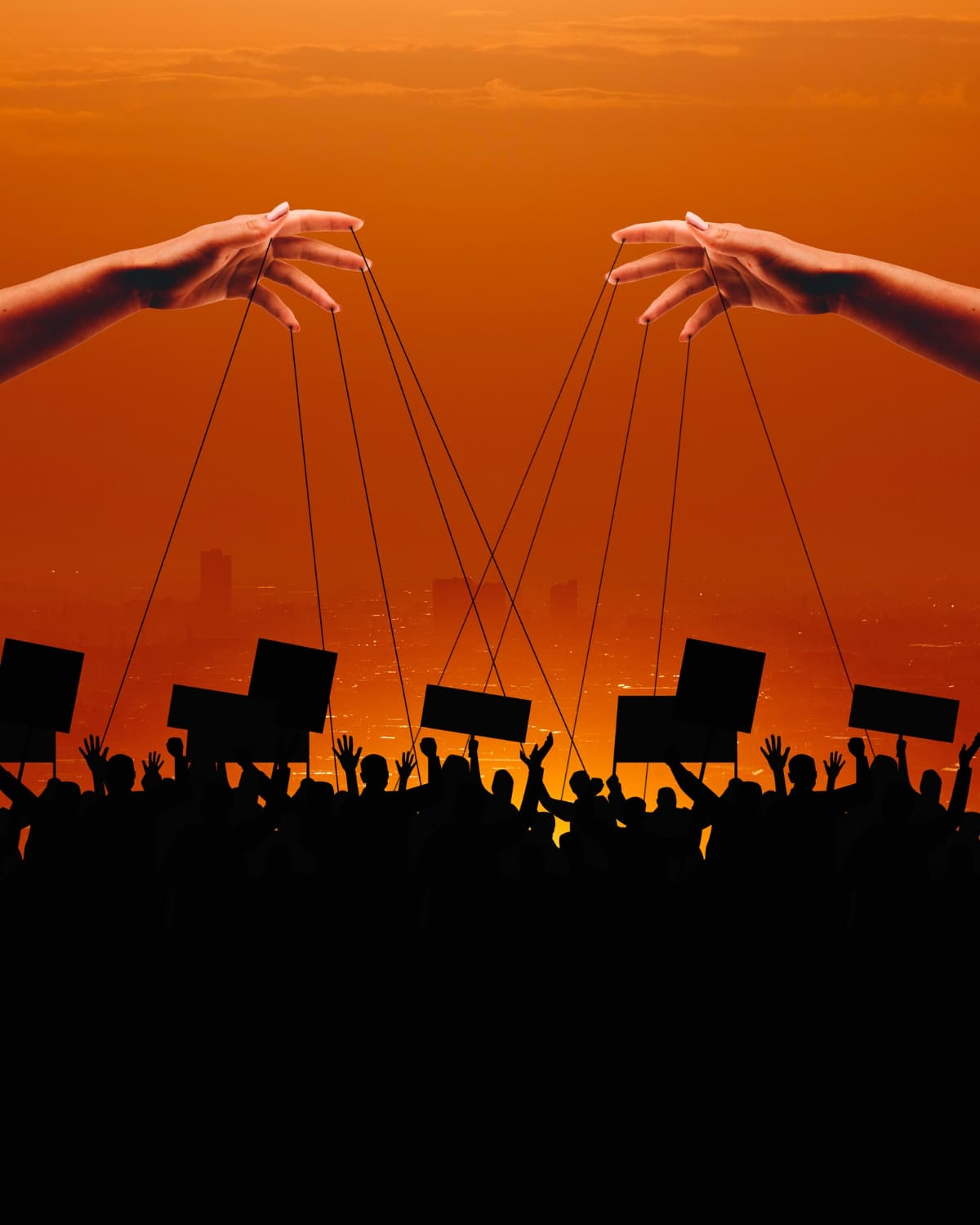
Political decisions often appear simple when announced to the public.
A new policy is introduced, a law is passed, or a government changes direction. However, the reality behind these decisions is usually far more complex. Behind closed doors, political decision-making involves negotiation, research, strategy, and sometimes intense conflict. Understanding what happens behind the scenes helps citizens better appreciate how political systems function.
The Role of Advisors and Experts
One of the first steps in political decision-making is consultation. Politicians rarely make major decisions alone. Instead, they rely on teams of advisors, policy analysts, economists, and legal experts. These professionals analyze data, predict outcomes, and prepare policy briefs.
For example, when a government considers changing economic policy, experts study how the decision might affect employment, inflation, and investment. Their findings guide leaders toward choices that are politically and economically viable.
Negotiation and Compromise
Politics is often described as the art of compromise. Behind the scenes, leaders frequently negotiate with members of their own party as well as opposition groups. This negotiation is necessary because different political actors have different priorities.
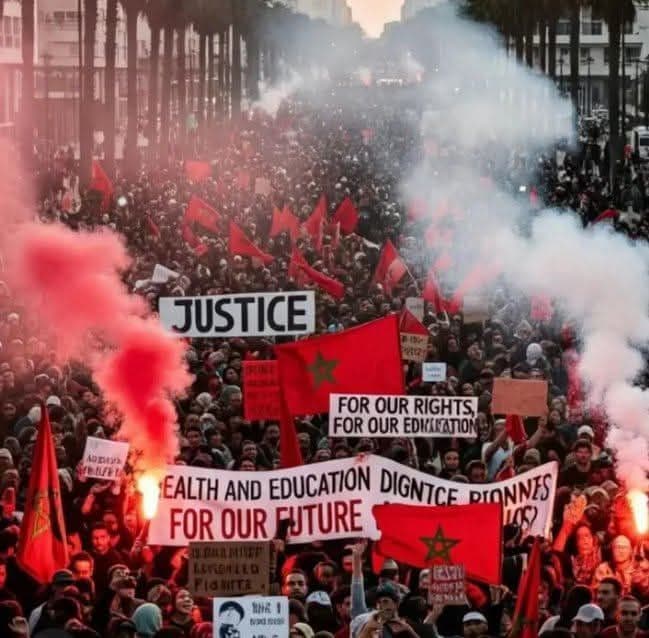
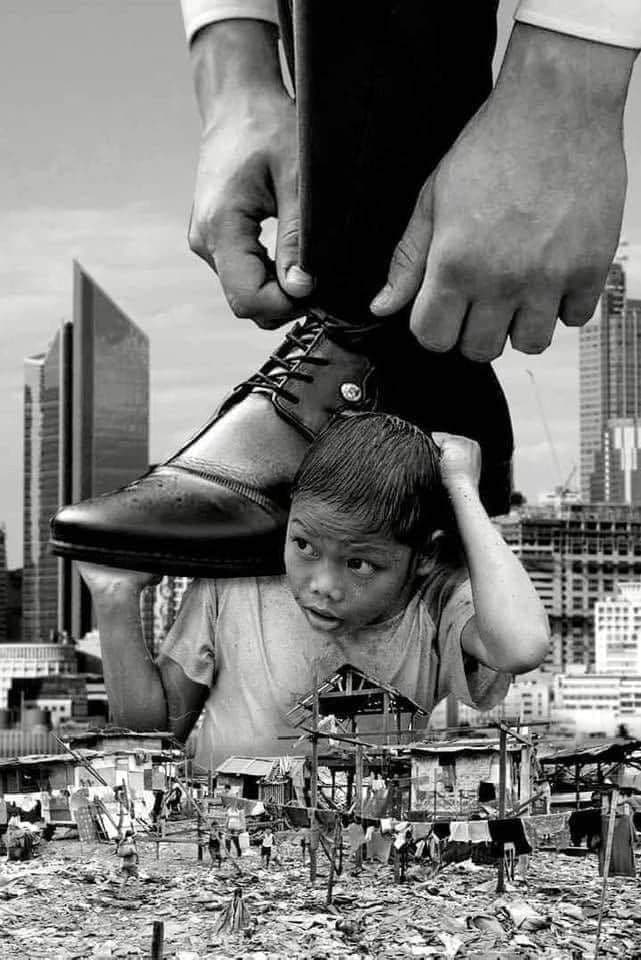
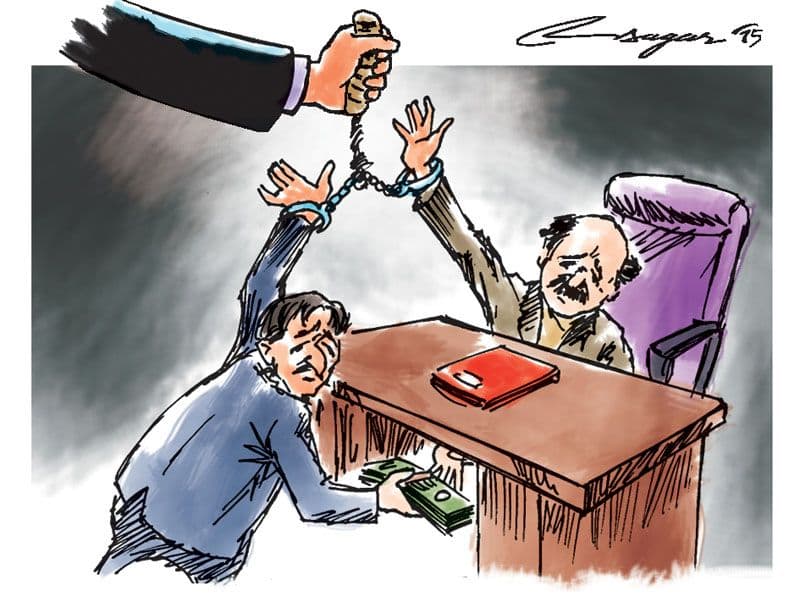
A policy proposal may start with strong support from one group but face resistance from others. As a result, amendments are made, language is adjusted, and concessions are offered. In many cases, the final policy that reaches the public is the result of several rounds of compromise.
Influence of Interest Groups
Interest groups and lobbyists also play an important role in shaping political decisions. These groups represent industries, labor unions, environmental organizations, or community interests. They provide policymakers with information and advocate for policies that benefit their members.


While some critics argue that lobbying gives powerful groups too much influence, supporters believe it ensures that policymakers understand the real-world impact of their decisions.
Public Opinion and Political Strategy
Even though many discussions occur privately, public opinion still influences political decision-making. Politicians must consider how voters will react to their choices. Polls, surveys, and media analysis often guide leaders in determining whether a policy will gain public support.
Political strategy therefore becomes part of the decision-making process. Leaders sometimes delay decisions, adjust messaging, or introduce policies gradually to reduce backlash.
Crisis Decision-Making
Political decisions become even more complex during crises such as economic downturns, natural disasters, or national security threats. In these situations, leaders must act quickly while balancing expert advice, political pressures, and public expectations.
Emergency meetings, confidential briefings, and rapid consultations often take place during such moments. The urgency of the situation can significantly shape the final decision.
The Importance of Transparency
Although many discussions happen behind closed doors, transparency remains essential in democratic systems. Citizens expect accountability from their leaders. For this reason, governments often release reports, hold press conferences, and allow legislative debates to be broadcast publicly.
Transparency helps build trust between the government and the public, even when the decision-making process itself involves private deliberation.
Conclusion
Political decision-making behind the scenes is a complicated process that involves advisors, negotiations, interest groups, and strategic thinking. While the public often sees only the final result, each policy is typically the outcome of many discussions and compromises. By understanding this hidden process, citizens can gain deeper insight into how governments operate and how political decisions shape society.



Comments (0)
No comments yet. Be the first to share your perspective!