


At first glance, everyday policies; like fuel pricing, school curricula, transportation rules, or food import regulations, can seem routine and administrative.
However, behind these seemingly ordinary decisions lies a complex web of political power, influence, negotiation, and strategy. Understanding this hidden layer helps citizens better grasp how decisions are made and why they often spark debate.
The Invisible Hand of Power
Every policy begins with a problem: rising living costs, traffic congestion, unemployment, or public health concerns. While solutions may appear technical, the choice of which solution to pursue is deeply political. Leaders, lawmakers, and institutions weigh competing interests, often influenced by public opinion, economic priorities, and political survival.
For example, a government deciding whether to subsidize fuel or remove subsidies is not just making an economic decision. It is balancing public welfare, national budgets, and political popularity. These choices reflect priorities, and priorities are shaped by power.
Who Really Influences Policy?
Contrary to popular belief, policymakers are not the only ones shaping decisions. Several key actors operate behind the scenes:
- Interest Groups: Businesses, unions, and advocacy organizations push for policies that favor their goals. A transportation union, for instance, may resist policies that threaten jobs, while environmental groups may advocate for stricter emissions laws.
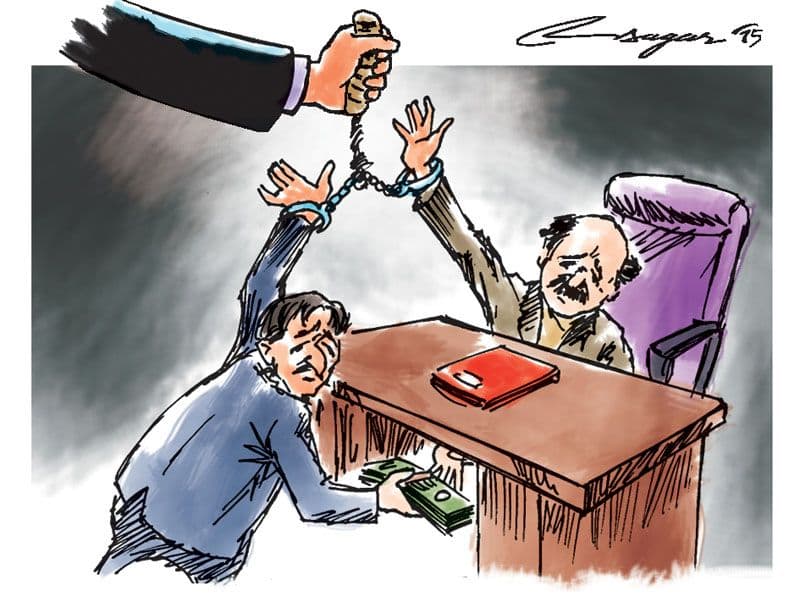
- Lobbyists: These individuals or groups work to persuade lawmakers to adopt specific policies. Their influence can be subtle or direct, often involving negotiations, research, or strategic communication.
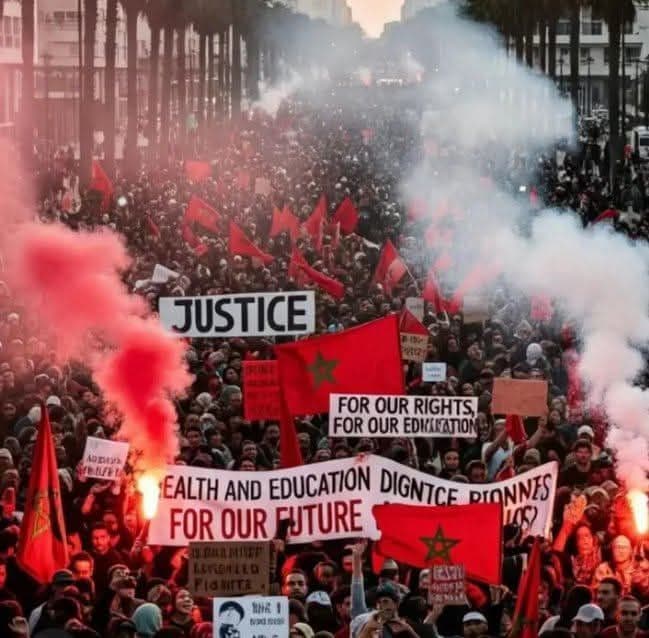
- Public Opinion: Citizens play a powerful role, especially in democratic systems. Social media campaigns, protests, and public discourse can pressure governments to act, or reconsider.
- International Bodies: Global institutions and foreign governments can influence domestic policies through trade agreements, loans, or diplomatic pressure.
The Role of Political Interests
Policies are rarely neutral. They often reflect the ideology of those in power. A government focused on free-market principles may reduce regulations and taxes, while one prioritizing social welfare may increase public spending on healthcare and education. Political leaders also consider timing. Policies that may be beneficial in the long term can be postponed if they are unpopular in the short term, especially near elections. This is why some necessary reforms are delayed or implemented gradually.
Everyday Examples of Political Influence
- Food Prices: Import restrictions or subsidies can make basic goods more affordable, or more expensive, depending on policy direction.
- Transportation Rules: Decisions about fuel taxes, public transit investment, or road construction affect daily commuting.
- Education Systems: Curriculum changes can reflect cultural values, political ideologies, or economic goals.
- Healthcare Access: Policies determine who gets access to care, how much it costs, and the quality of services available.
Each of these areas demonstrates how political power directly impacts daily life.
Understand your relationship. Fix what matters.
Practical, structured relationship courses built for lasting clarity.
Start learningTransparency and Accountability
In many societies, there is growing demand for transparency in policymaking. Citizens want to know not just what decisions are made, but how and why. Open governance, investigative journalism, and civic engagement play crucial roles in holding leaders accountable.
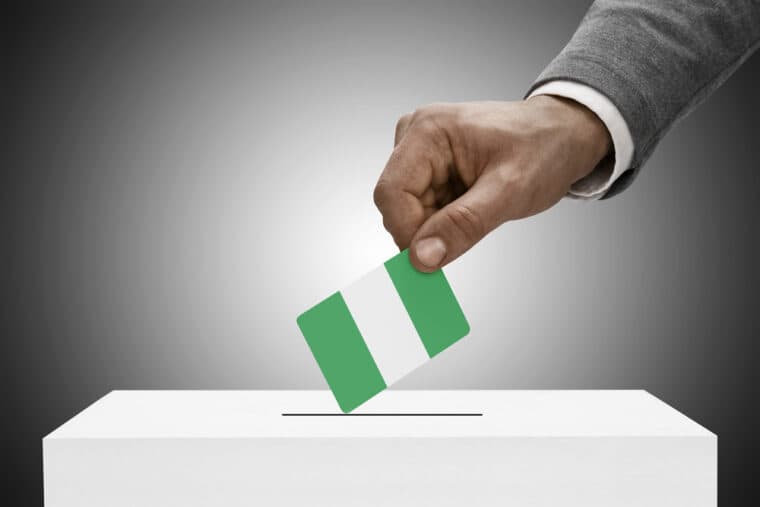
When people understand the political forces behind policies, they are better equipped to participate in democratic processes, whether by voting, advocating, or simply staying informed.
Why It Matters
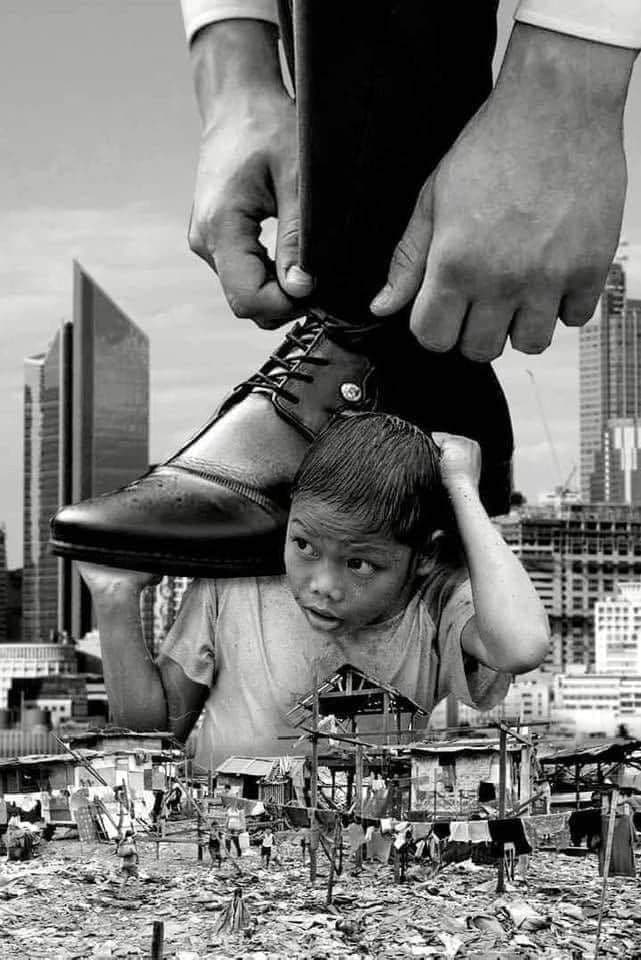
Everyday policies are not just rules; they are reflections of power structures. They determine access to resources, shape opportunities, and influence quality of life. Recognizing the political dynamics behind them allows individuals to move from passive observers to active participants in society.
Final Thoughts
The next time you encounter a new regulation, tax change, or public initiative, it’s worth asking: Who benefits? Who decides? And why now? These questions reveal the deeper political currents shaping everyday life, and remind us that policy is never just policy; it is power in action.



Comments (0)
No comments yet. Be the first to share your perspective!