

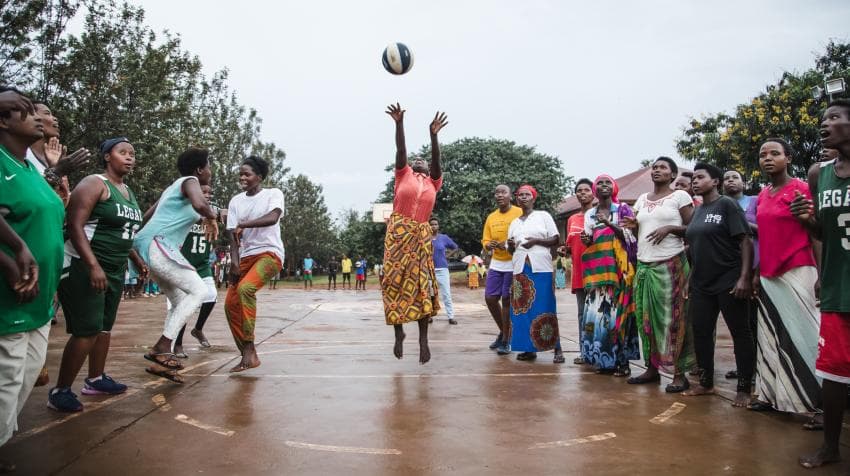
Sports have long been more than just games.
Beyond the excitement of competition and the thrill of victory, sports possess a unique ability to unite people, challenge societal norms, and inspire meaningful change. Across cultures and generations, they have served as powerful platforms for addressing social issues, promoting equality, and fostering community development.
Uniting Communities Across Divides
One of the most remarkable aspects of sports is their ability to bring people together. Regardless of race, religion, or socioeconomic background, individuals can rally behind a shared team or athlete. This collective identity helps break down barriers that often divide societies.
For example, during times of political or social tension, sporting events can act as neutral grounds where differences are temporarily set aside. This unity fosters understanding and encourages dialogue, creating opportunities for long-term reconciliation.
Amplifying Voices and Raising Awareness
Athletes often hold influential positions in society. When they use their platforms to speak out on social issues, their voices can reach millions. From advocating for racial equality to highlighting gender disparities, sports figures have played key roles in shaping public conversations.



A notable example is Muhammad Ali, who refused military service during the Vietnam War, sparking debates about civil rights and personal conviction. Similarly, Colin Kaepernick used peaceful protest during the national anthem to draw attention to racial injustice and police brutality.
These actions demonstrate how sports can transcend entertainment and become a stage for activism.
When your relationship needs more than advice
Confidential, guided counseling sessions for couples and individuals.
Book a sessionPromoting Inclusion and Equality
Sports can challenge stereotypes and promote inclusivity. Initiatives that encourage participation among women, people with disabilities, and marginalized communities help create a more equitable society.
Programs that support girls’ participation in sports, for instance, have been shown to improve confidence, leadership skills, and educational outcomes. Likewise, events like the Paralympics highlight the abilities of athletes with disabilities, shifting societal perceptions and reducing stigma.
Driving Economic and Community Development
Sports also contribute to social change through economic empowerment and community development. Grassroots sports programs provide young people with safe spaces, mentorship, and opportunities for personal growth.
In many communities, especially in developing regions, sports initiatives help keep youth engaged and away from crime. They teach discipline, teamwork, and resilience, skills that extend far beyond the playing field.
A Catalyst for Political and Cultural Change
Throughout history, sports have intersected with politics in ways that have influenced societal transformation. One powerful example is Nelson Mandela, who used rugby as a unifying force in post-apartheid South Africa. By supporting the national team, he helped bridge racial divides and promote national unity.
Similarly, international sporting events often shine a spotlight on host countries, encouraging reforms and raising awareness about human rights issues.
Inspiring the Next Generation
Perhaps the most enduring impact of sports lies in their ability to inspire. Young people look up to athletes as role models, often adopting their values and attitudes. When athletes promote fairness, respect, and perseverance, these ideals ripple through society.
Sports teach that success is not just about winning but about effort, integrity, and collaboration. These lessons can shape a generation committed to positive change.
Conclusion
Sports are far more than a form of entertainment, they are a powerful tool for social change. By uniting communities, amplifying important voices, promoting inclusion, and inspiring individuals, sports have the potential to transform societies.
As long as athletes, organizations, and communities continue to harness this influence responsibly, sports will remain a driving force for progress in an ever-changing world.





Comments (0)
No comments yet. Be the first to share your perspective!