

Teaching Responsibility to Children Early: A Practical Guide for African Parents.
Responsibility is one of the most important life skills a child can learn. Beyond academic success, responsible children grow into adults who can manage money, relationships, work, and personal decisions effectively. In many African homes, children traditionally learned responsibility through daily participation in family life, helping at home, running errands, and respecting shared duties.
Today, modern lifestyles, busy schedules, and digital distractions sometimes reduce these learning opportunities. However, teaching responsibility early remains essential for raising confident and dependable children.
Why Responsibility Should Start Early
Children learn fastest during their early years. When responsibility is introduced gradually, it becomes a natural habit rather than a forced rule.
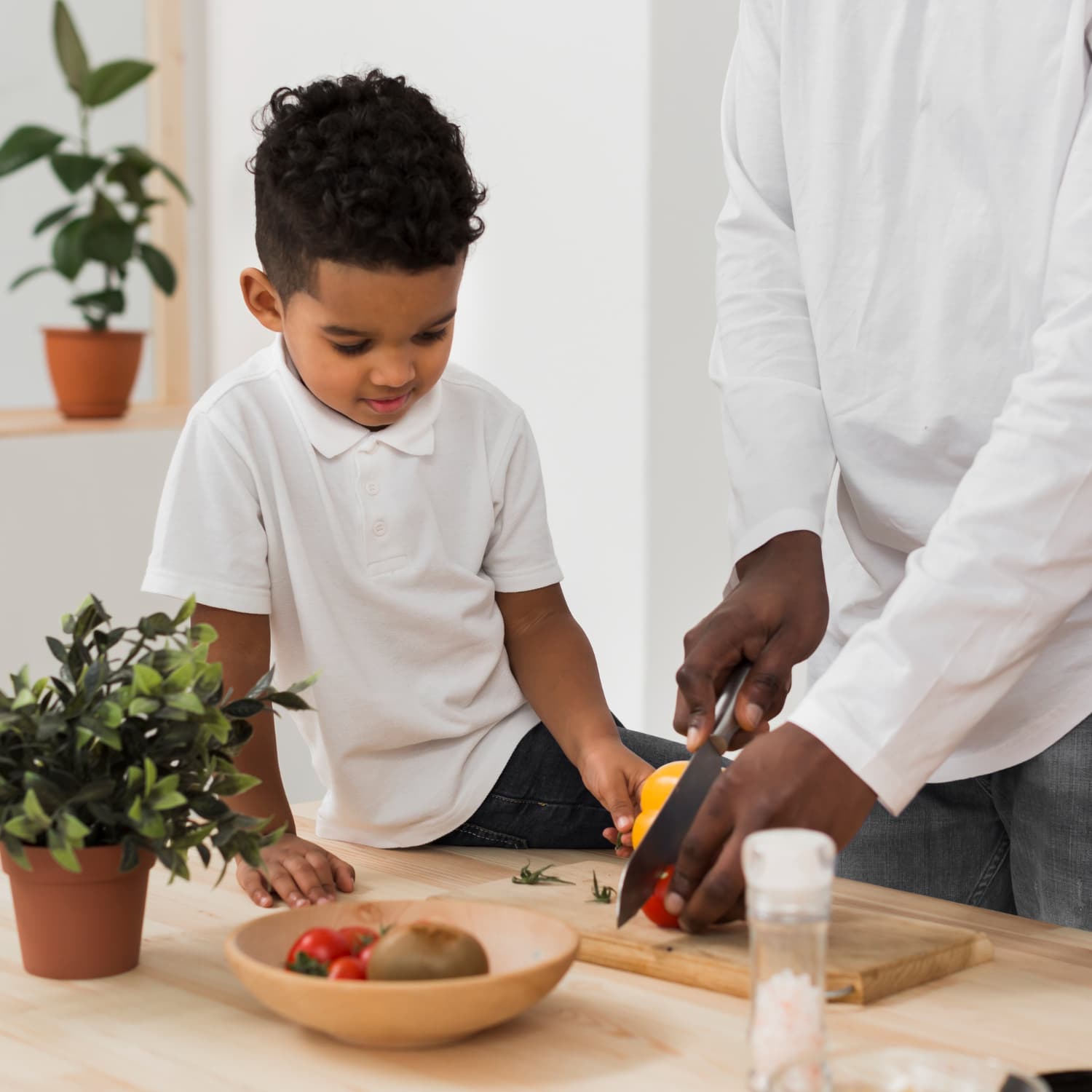
In Nigerian households, children who help with small daily tasks, such as arranging chairs after meals or assisting in the kitchen, often develop stronger independence and cooperation skills. These experiences teach children that they are valuable contributors to the family, not just observers.


Early responsibility helps children:
-
Understand accountability


Build independence
Develop problem-solving skills
Gain confidence in their abilities
Benefits of Teaching Responsibility to Children
1. Builds Confidence and Self-Worth
When a child successfully completes tasks like tidying their school bag or helping prepare meals, they feel capable and trusted.
2. Encourages Discipline
Routine responsibilities teach children structure. Simple habits such as preparing for school the night before help develop lifelong discipline.
3. Prepares Children for Real-Life Challenges
From managing pocket money to completing assignments without reminders, responsibility prepares children for adulthood.
4. Strengthens Family Bonds
In many African cultures, shared responsibilities strengthen unity. Children who participate in family duties feel a stronger sense of belonging.
Age-Appropriate Responsibilities
Ages 2–4: Early Learning Stage
At this stage, responsibility should feel like play.
Examples:
-
Packing toys after playing
Putting shoes in the right place
Helping carry light groceries from the market
Consistency matters more than perfection.
Ages 5–8: Building Habits
Children begin to understand routines and expectations.
Examples:
-
Packing school bags
Helping set the dining table
Watering plants
Keeping uniforms ready for school
These small tasks teach organization and accountability.
Ages 9–12: Growing Independence
Children can now handle more structured responsibilities.
Examples:
-
Completing homework without supervision
Managing small allowances
Helping cook simple meals
Running safe neighborhood errands
This stage is ideal for teaching time management and decision-making.
Teenagers: Preparing for Adulthood
Teenagers should gradually experience real-life responsibilities.
Examples:
-
Managing personal schedules
Budgeting pocket money
Helping with younger siblings
Participating in major household chores
These lessons prepare them for university or independent living.
Practical Parenting Strategies That Work
1. Lead by Example
Children copy adults. When parents keep promises, manage finances wisely, and show respect for work, children naturally adopt similar behaviors.
2. Give Clear Instructions
Instead of saying “be responsible,” say:
-
“Arrange your books before bedtime.”
“Wash your plate after eating.”
Clear expectations reduce confusion.
3. Allow Natural Consequences
If a child forgets homework or misplaces an item, avoid immediately rescuing them. Mild consequences teach accountability more effectively than punishment.
4. Praise Effort, Not Perfection
Encouragement motivates learning. Acknowledge improvement rather than expecting flawless results.
5. Create Daily Routines
Routine builds responsibility automatically. Examples include:
-
Morning preparation routines
Homework time schedules
Weekend cleaning routines common in many Nigerian homes
Common Parenting Mistakes to Avoid
-
Doing tasks children can do themselves
Giving responsibilities that are too difficult too soon
Using chores only as punishment
Being inconsistent with rules
Responsibility grows through patience and repetition.
Responsibility in the Digital Age
Modern children spend more time with phones, television, and online entertainment. Parents should balance screen time with real-world responsibilities. For example, screen privileges can come after completing homework or household tasks.
This teaches children that privileges come with responsibility, an important life lesson.
Long-Term Impact of Teaching Responsibility Early
Children raised with responsibility tend to become:
-
Self-disciplined adults
Better decision-makers
Financially responsible individuals
Reliable employees and leaders
These qualities benefit not only families but also communities and society as a whole.
Conclusion
Teaching responsibility to children early is one of the strongest foundations parents can provide. Through consistent guidance, age-appropriate tasks, and positive reinforcement, children learn independence, discipline, and confidence.
In African families especially, responsibility has long been a shared cultural value. By intentionally nurturing it from childhood, parents prepare their children not just to succeed academically, but to thrive in life.






Comments (0)
No comments yet. Be the first to share your perspective!