


Organized crime is often discussed in terms of violence, secrecy, and illegal activities, but underneath all of that lies a powerful economic system.
Like legitimate businesses, criminal organizations respond to incentives, manage risks, allocate resources, and compete in markets. The key difference is that they operate outside the law, which changes how their “economy” functions, but does not remove economic logic.
Understanding the economics behind organized crime helps explain why these groups emerge, how they grow, and why they are difficult to eliminate.
1. Organized Crime as a Business Model
At its core, organized crime operates like an informal business. Groups such as the Sicilian Mafia or the Yakuza structure themselves around hierarchy, specialization, and control of markets.
They typically provide three “economic services”:


- Illegal goods and services (drugs, weapons, counterfeit goods)
- Protection services (often called “protection rackets”)
- Risk management in illegal markets (enforcement, dispute resolution)
Because these markets are illegal, formal legal enforcement is absent, so criminal groups step in to create their own systems of rules and enforcement.
2. Supply, Demand, and Black Markets
The foundation of organized crime is simple economics: demand exists for illegal goods, and organized crime supplies them.
Understand your relationship. Fix what matters.
Practical, structured relationship courses built for lasting clarity.
Start learningFor example, drug demand in many countries fuels large-scale trafficking networks run by groups like the Sinaloa Cartel. These groups behave like multinational corporations:
- They source raw materials (e.g., coca leaves)
- Process them into final products (e.g., cocaine)
- Transport goods across borders
- Distribute through layered retail networks
Even though the product is illegal, pricing still follows supply and demand principles. Risk increases costs, which is why illegal drugs are often expensive relative to production costs.
3. Risk Premiums and High Profit Margins
One of the most important economic features of organized crime is the risk premium.
Because participants face:
- Arrest
- Asset seizure
- Violence from rivals
- Legal penalties
They demand very high returns to participate. This creates unusually high profit margins in some illegal industries.
For example, trafficking networks often earn profits that far exceed those in legal industries. However, these profits are unstable and come with high “operating costs,” including bribery, security, and enforcement.
4. Competition, Monopolies, and Violence
Unlike legal markets, competition in organized crime is not regulated by courts or contracts. Instead, it is often enforced through violence.
Groups like the Camorra or rival cartels compete for territory and supply routes. This leads to:
- Territorial monopolies (control of neighborhoods or routes)
- Price-setting power in local markets
- Violent conflict when monopolies are challenged
In economic terms, many criminal organizations try to create monopolies because competition reduces profits. However, maintaining a monopoly requires continuous enforcement, which increases costs and instability.
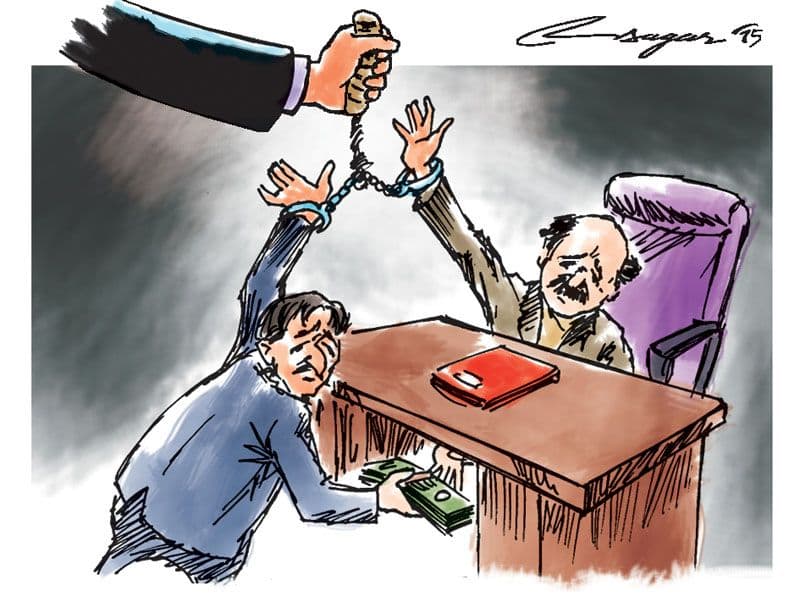
5. Corruption as an Economic Tool
Corruption is another key mechanism in the economics of organized crime. Instead of relying solely on violence, many groups invest in bribery and influence.
Corruption reduces transaction costs by:
- Avoiding arrests
- Securing protection from authorities
- Ensuring smoother logistics for illegal goods
In many regions, the cost of bribery becomes a predictable “tax” within the criminal economy. This makes organized crime more efficient, but also more deeply embedded in legitimate institutions.
6. Why Organized Crime Persists
Organized crime persists because it fills gaps in both economic opportunity and governance. It thrives where:
- Poverty and unemployment are high
- Law enforcement is weak or corrupt
- Demand for illegal goods remains strong
- Legal economic opportunities are limited
From an economic perspective, organized crime is not just a moral issue, it is a response to incentives and constraints in society.
Conclusion
The economics behind organized crime reveals a structured, rational system operating beneath illegal activity. These organizations behave like businesses responding to supply, demand, risk, and competition, but without legal boundaries.
As long as profitable illegal markets exist and enforcement gaps remain, organized crime will continue to adapt, evolve, and persist in the global economy.






Comments (0)
No comments yet. Be the first to share your perspective!