


Rising living costs across Africa have made it increasingly important for individuals and families to find smarter ways to manage their money. From food prices and transportation to electricity and data, everyday expenses continue to grow.
The good news is that cutting costs does not mean lowering your standard of living. With intentional habits and practical strategies, you can reduce daily expenses while still enjoying comfort, convenience, and peace of mind.
This guide shares practical, realistic ways Africans can save money daily without sacrificing quality of life.
Understand Where Your Money Is Going
You cannot reduce what you do not measure.
Start by tracking your spending for at least two weeks using:

-
A notebook
A spreadsheet


A budgeting app
Group expenses into categories such as food, transport, utilities, data, and entertainment.
Local Example
In Nigeria, many people discover that small daily purchases like snacks, bottled drinks, and ride-hailing trips consume more money than expected.
In Kenya and Ghana, frequent mobile money transfers and airtime purchases often add up quietly.
Once you see your spending clearly, it becomes easier to spot waste.
Plan Your Meals and Cook More at Home
Food is one of the biggest daily expenses for African households.
Cooking at home is usually far cheaper than buying ready-made meals.
Practical tips:
-
Plan meals for the week
Buy ingredients from open markets
Cook in bulk and store leftovers
Reduce spontaneous food purchases
Local Example
A home-cooked pot of jollof rice or stew in Nigeria can feed a household for several meals at the cost of one restaurant meal.
In Kenya, cooking staples like ugali, beans, and vegetables at home costs far less than eating out daily.
You save money and often eat healthier.
Buy Smart, Not Just Cheap
The cheapest item is not always the most economical.
Instead, aim for value:
-
Compare prices across markets and shops
Choose durable products
Buy frequently used items in bulk
Take advantage of promotions
Local Example
Buying a higher-quality pair of sandals in Ghana that lasts two years is cheaper than replacing cheap pairs every three months.
Quality reduces long-term spending.
Reduce Transportation Costs
Transportation is a major expense, especially in African cities.
Ways to save:
-
Combine errands into one trip
Use public transport when possible
Walk short distances
Carpool with coworkers
Local Example
In Lagos, using BRT buses instead of daily ride-hailing can cut transport costs significantly.
In Nairobi, matatus and commuter trains offer cheaper alternatives to taxis.
Small adjustments create big savings over time.
Manage Data, Airtime, and Subscriptions Wisely
Digital spending is now a daily cost.
Practical actions:
-
Choose data bundles that match your usage
Use Wi-Fi where available
Cancel unused subscriptions
Share family data plans
Local Example
Switching from daily data plans to weekly or monthly bundles in Nigeria or South Africa often reduces total costs.
Control Electricity and Water Usage
Utility bills quietly drain income.
Reduce costs by:
-
Switching off appliances when not in use
Using energy-saving bulbs
Ironing clothes in batches
Fixing leaking taps
Local Example
Households in Ghana that replace old bulbs with LED lights often see noticeable drops in electricity bills.
You maintain comfort while spending less.
Embrace Simple, Low-Cost Entertainment
Fun does not require heavy spending.
Affordable options include:
-
Home movie nights
Outdoor walks
Visiting friends
Free community events
Local Example
Instead of expensive weekend outings in Abuja or Johannesburg, hosting friends at home can be more enjoyable and affordable.
Avoid Impulse Buying
Impulse purchases are one of the biggest financial leaks.
Before buying, ask:
-
Do I truly need this?
Can I wait 24 hours?
Is there a cheaper alternative?
This pause alone can save thousands over time.
Negotiate and Compare Prices
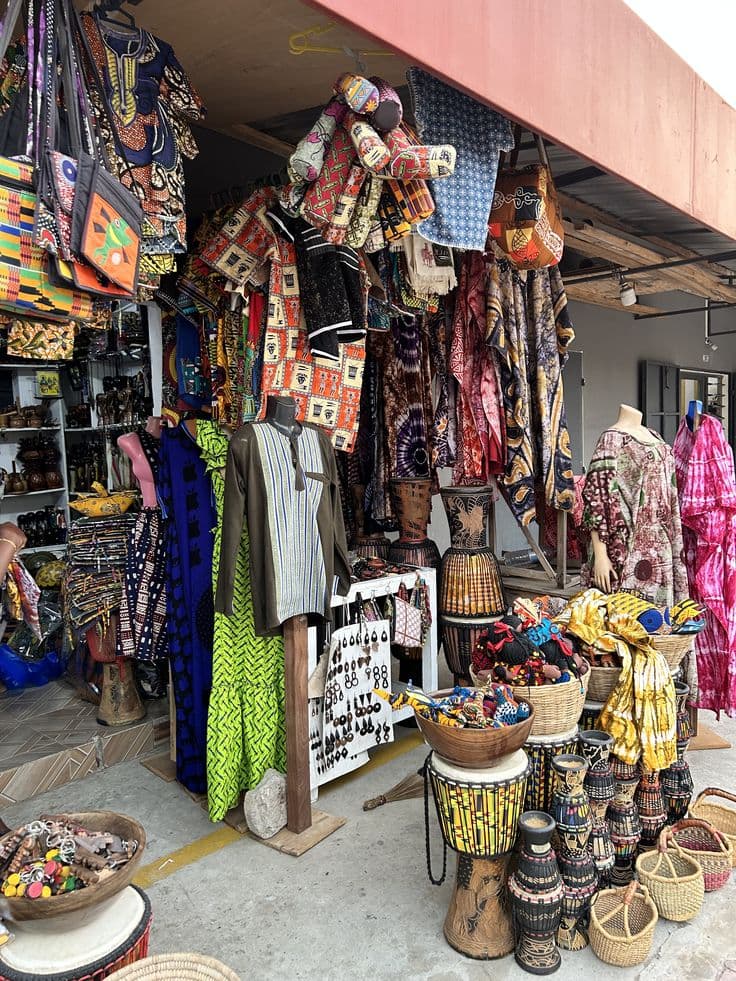
Bargaining is normal in many African markets.
Always:
-
Ask for a better price
Compare multiple sellers
Build relationships with regular vendors
Local Example
In open markets in Nigeria, Kenya, and Ghana, the first price is often not the final price.
Set a Simple Daily Spending Limit
Create a rough daily spending cap.
It does not need to be strict, but it helps guide your choices and prevents careless spending.
Focus on Small, Consistent Improvements
You do not need drastic changes.
Saving small amounts daily builds momentum and leads to:
-
Less financial stress
More savings
Better control over money
Conclusion
Reducing daily expenses is not about suffering or living poorly. It is about spending intentionally, choosing value, and building smarter habits.
When Africans make small, consistent changes to how they spend, they gain more control over their finances, without sacrificing comfort or quality of life.


Comments (0)
No comments yet. Be the first to share your perspective!