

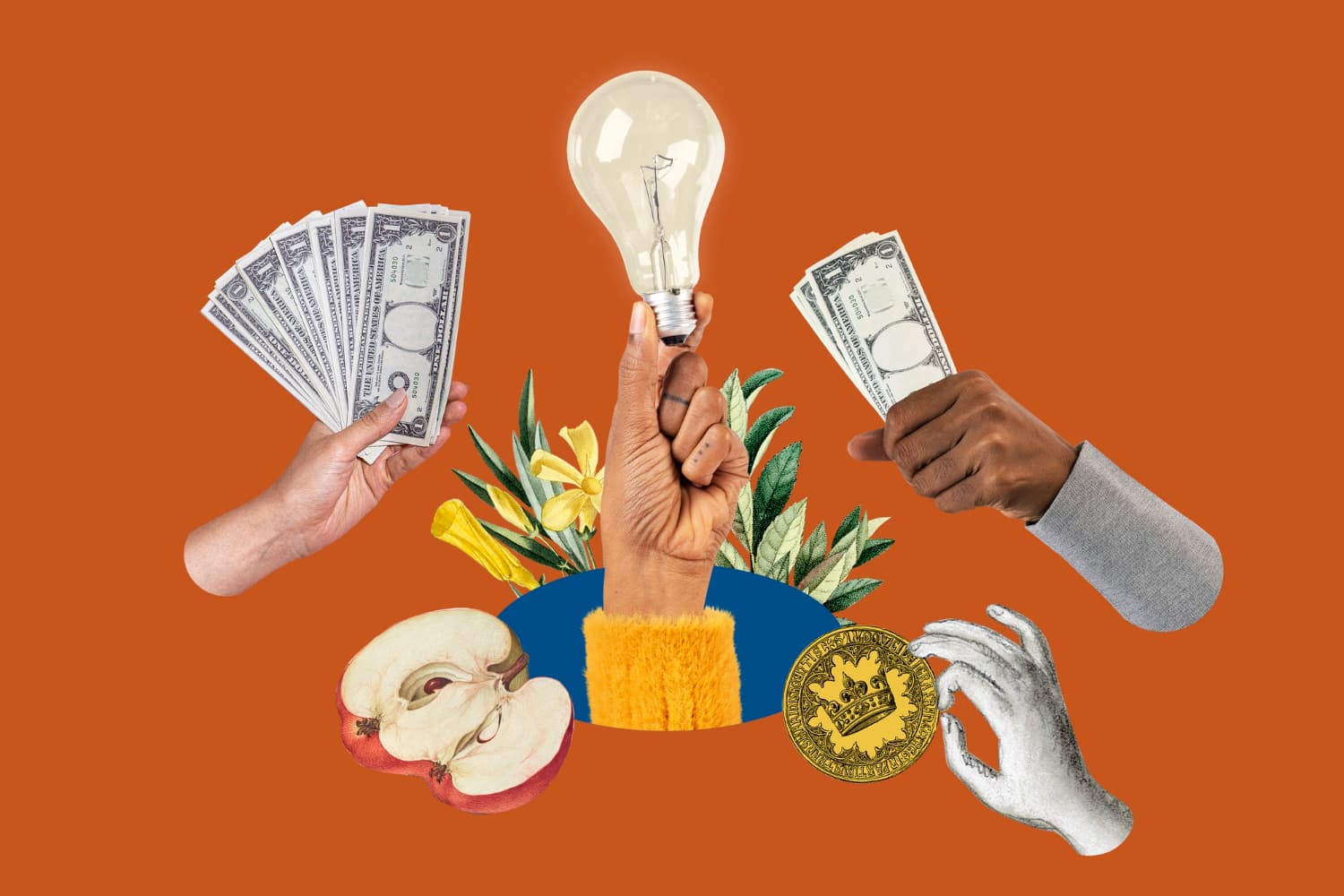
Developing a Money Mindset Early: Why Financial Thinking Starts Long Before You Earn.
Most people believe money management begins with a first salary. In reality, it begins much earlier, often in childhood, long before anyone opens a bank account or learns about investments.
A child watching how adults talk about money, a teenager deciding whether to save or spend pocket money, or a young student learning patience while saving for something meaningful, these moments quietly shape what psychologists call a money mindset.
A money mindset is not simply about how much you earn. It is about how you think, feel, and behave around money throughout life.
And the earlier this mindset develops, the stronger the financial foundation becomes.


What Is a Money Mindset?
A money mindset refers to the beliefs and attitudes a person develops about money, including:
-
Whether money feels scarce or abundant
Understand your relationship. Fix what matters.
Practical, structured relationship courses built for lasting clarity.
Start learningHow comfortable someone is discussing finances
Risk tolerance and financial decision-making
Confidence in managing resources
Research in behavioral economics shows that financial habits are often emotional before they are mathematical. People rarely make money decisions using logic alone; they rely on learned patterns formed early in life.
In simple terms, how we see money often determines how we use money.
The Quiet Lessons Children Learn About Money
Children learn about money even when adults are not intentionally teaching them.
They observe:
-
How parents react to financial stress
Whether money conversations are open or secretive
Spending priorities within the household
Attitudes toward saving, debt, and generosity
For example, a child who repeatedly hears “money is always a problem” may grow up associating finances with anxiety. Another child exposed to planning and budgeting conversations may see money as a manageable tool rather than a source of fear.
These early observations form financial beliefs that can last decades.
Why Early Financial Thinking Matters
Developing a money mindset early does not mean teaching complex investment strategies to children. Instead, it builds foundational skills such as:
-
Delayed gratification
Responsibility
Goal setting
Decision-making
Understanding value
Studies consistently show that individuals who learn financial discipline early are more likely to:
-
Save consistently
Avoid excessive debt
Plan long-term
Build financial stability
Early exposure creates familiarity, and familiarity reduces fear.
Storytelling Moments That Shape Financial Behavior
Some of the strongest financial lessons come from simple everyday experiences.
A child saving coins in a jar to buy a bicycle learns patience.
A teenager managing a small allowance learns trade-offs, choosing between immediate pleasure and future reward.
A young person running a small side hustle learns income, expenses, and profit without realizing they are practicing economics.
These experiences teach concepts textbooks later explain formally.
The Psychology Behind Early Money Habits
Psychologists often describe money habits as “behavior loops.”
-
Experience – A financial situation occurs.
Emotion – The person associates a feeling with it.
Behavior – A habit forms.
Repetition – The habit becomes automatic.
For instance, if saving produces a feeling of achievement early in life, saving becomes rewarding rather than restrictive. Conversely, if money discussions always involve stress, avoidance behaviors may develop. This is why early exposure matters, it shapes emotional associations with money.
Practical Ways to Develop a Money Mindset Early
1. Encourage Conversations About Money
Open discussions remove mystery and fear around finances.
Children and young adults benefit from understanding:
-
Why budgets exist
How expenses are prioritized
The difference between needs and wants
Transparency builds confidence.
2. Teach Through Experience, Not Lectures
Practical exposure works better than theory.
Examples include:
-
Giving small budgeting responsibilities
Encouraging saving toward personal goals
Allowing safe financial mistakes
Learning by doing strengthens understanding.
3. Introduce Goal-Oriented Saving
Saving becomes meaningful when connected to purpose.
Instead of saving “just because,” link savings to goals:
-
Buying books
Funding education needs
Starting small projects
Goals transform saving into motivation.
4. Model Healthy Financial Behavior
People learn more from observation than instruction.
Demonstrating:
-
Responsible spending
Planning before purchases
Avoiding impulsive decisions
teaches lessons without formal teaching.
5. Normalize Financial Learning
Financial literacy should be viewed as a lifelong skill, just like communication or problem-solving.
Encourage curiosity:
-
Ask questions about prices and value
Discuss how businesses work
Explain how earning connects to effort
Knowledge removes intimidation.
Money Mindset in the Modern World
Today’s digital economy exposes young people to spending earlier than ever, online shopping, mobile payments, and instant transactions make money feel invisible. Without early financial grounding, spending can become automatic while saving feels difficult.
Developing a money mindset early helps individuals understand that convenience does not eliminate responsibility. Technology changes tools, but financial principles remain the same.
The Long-Term Impact
A healthy money mindset influences more than finances. It affects:
-
Career decisions
Risk-taking ability
Stress management
Relationships
Long-term life planning
People with strong financial awareness often experience greater confidence because they feel prepared for uncertainty. Financial security, in many ways, begins as psychological security.
Final Thoughts
Developing a money mindset early is not about raising financial experts, it is about raising financially confident individuals. When people learn early that money is a tool rather than a source of fear, they grow into adults who make thoughtful decisions, plan intentionally, and approach opportunities with clarity.
The most powerful financial education does not begin with investment charts or economic theories. It begins with small lessons, everyday conversations, and early experiences that quietly teach one enduring truth: Money is not just something you earn, it is something you learn to understand.





Comments (0)
No comments yet. Be the first to share your perspective!