
Bulk Buying for Large Households
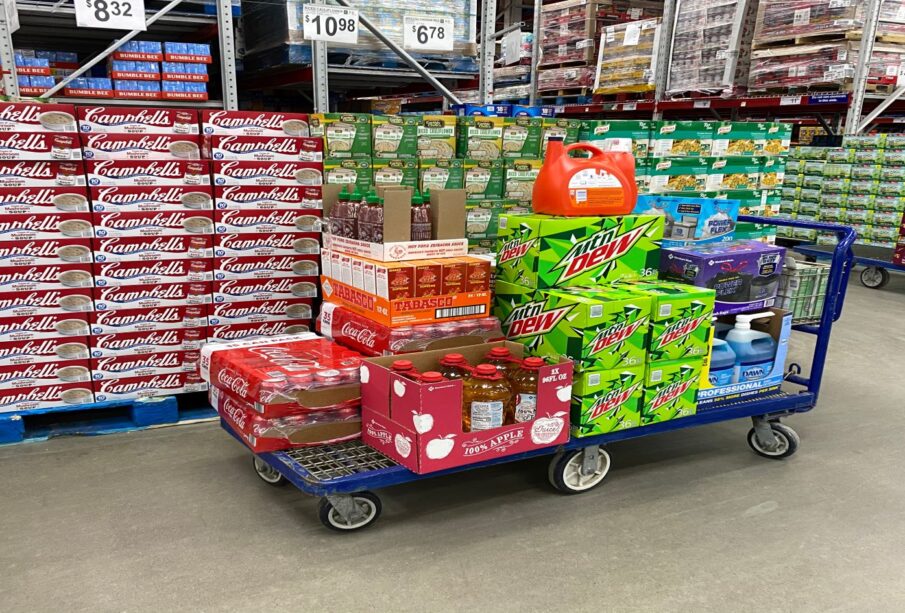
Bulk Buying for Large Households: Smart Strategies to Save Money and Time
Managing a large household comes with unique challenges. More mouths to feed, more chores, and more expenses, especially when it comes to groceries and household essentials. One strategy that can significantly ease the load is bulk buying. When done thoughtfully, it not only saves money but also reduces frequent trips to the store and ensures your household always has the essentials on hand.
Why Bulk Buying Works for Large Households
-
Economies of Scale
Buying in larger quantities usually comes with a lower cost per unit. For example, purchasing a 10 kg bag of rice instead of ten 1 kg packs often saves money in the long run. Over time, these savings can add up to hundreds or even thousands of dollars annually. -
Reduced Shopping Frequency
Large households require more frequent replenishment of supplies. Bulk buying reduces the need for weekly trips, saving both time and transportation costs. -
Better Meal Planning
Stocking up on staples allows for easier meal planning and ensures that you always have the ingredients needed for home-cooked meals, which are usually healthier and cheaper than eating out.
What to Buy in Bulk
Certain items are particularly suitable for bulk purchases:
-
Non-perishable staples: Rice, pasta, flour, sugar, cooking oils, and canned goods.
-
Frozen foods: Vegetables, meats, and ready-to-cook meals can be frozen for long-term use.
-
Household essentials: Toilet paper, cleaning products, detergents, and personal hygiene items.
-
Snacks and cereals: Buying large packs of snacks or cereals can be cheaper and ensures there’s always something for the kids.
Tips for Successful Bulk Buying
-
Plan Ahead
Make a shopping list based on your household’s weekly or monthly needs. Avoid buying in bulk items that your family rarely uses—storage space and product spoilage are real concerns. -
Check Expiration Dates
Only buy quantities you can realistically use before the product expires. For perishable items, consider freezing or sharing with neighbors. -
Use Storage Wisely
Organize your pantry and freezer so that items are easy to find and rotate older products to the front to prevent spoilage. -
Compare Prices
Not all bulk deals are bargains. Check unit prices and compare between stores or online suppliers to get the best value. -
Join Wholesale Clubs or Co-ops
Membership-based wholesale stores or community co-ops often offer lower prices on bulk items. Sharing a membership with another family can further increase savings. -
Consider Shared Bulk Buying
If storage space is limited, consider pooling resources with friends or family to buy in bulk and split items, keeping costs low while enjoying bulk benefits.
Avoiding Common Pitfalls
-
Overbuying: Only purchase what your household can consume within a reasonable timeframe.
-
Ignoring Storage Needs: Lack of proper storage can lead to wasted food or damaged goods.
-
Impulse Bulk Buying: Just because something is on sale doesn’t mean it’s necessary.
The Bottom Line
Bulk buying is a powerful tool for large households when approached with strategy and organization. By buying smartly, planning meals, and storing products efficiently, families can save money, reduce stress, and spend less time shopping, allowing more time for what truly matters: family and home life.




Leave a reply





Africa’s Source for Breaking News | Entertainments | Health | Finance | Sports | Lifestyle and Business News.


