
Bulk Food Sharing for Neighborhood Groups
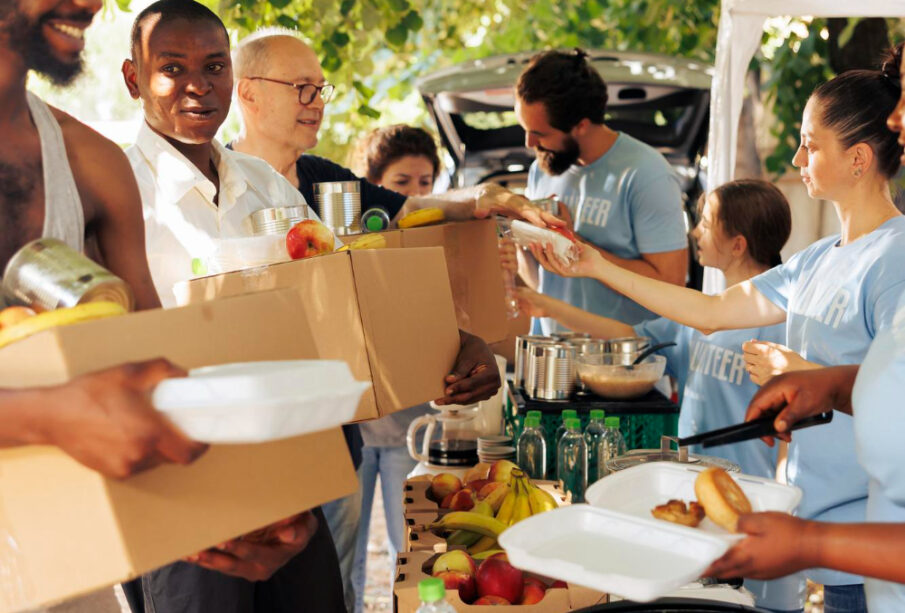
In many communities, the rising cost of food has made it increasingly difficult for families to maintain a balanced diet.
One practical and community-driven solution is bulk food sharing. This approach allows neighbors to pool resources, buy food in larger quantities, and distribute it among themselves. Beyond saving money, it strengthens relationships and promotes a sense of collective responsibility.
What Is Bulk Food Sharing?
Bulk food sharing involves a group of people, often neighbors or members of a local community, coming together to purchase food items in large quantities. These items are then divided among participants based on their contributions or needs. Common products include rice, beans, flour, cooking oil, and other non-perishable goods.
Benefits of Bulk Food Sharing
1. Cost Savings
Buying in bulk often comes with discounts. When a group purchases a 50kg bag of rice instead of smaller individual portions, the price per kilogram is usually lower. This makes it easier for households to stretch their budgets.
2. Reduced Waste
Large quantities of food can sometimes go to waste when purchased by a single household. Sharing ensures that food is distributed efficiently and consumed before it spoils.
3. Stronger Community Bonds
Organizing and participating in bulk buying fosters cooperation. Neighbors interact more frequently, build trust, and develop stronger social connections.
4. Improved Food Access
For low-income households, bulk sharing can provide access to essential food items that might otherwise be unaffordable.
How to Organize a Bulk Food Sharing Group
1. Form a Core Group
Start with a few interested neighbors. A group of 5–10 people is manageable for beginners.
2. Identify Common Needs
Discuss which food items are most commonly used. Focus on staples that everyone agrees on.
3. Set Clear Contribution Rules
Decide how much each member will contribute financially. Transparency is key to avoiding misunderstandings.
4. Choose Reliable Suppliers
Find trustworthy markets or wholesalers that offer good prices and quality products.
5. Plan Distribution
Set a date and place where the food will be divided. Use simple tools like measuring cups or scales to ensure fairness.
6. Keep Records
Track contributions and distributions. This helps maintain accountability and trust within the group.
Tips for Success
- Start small and expand gradually
- Communicate clearly through group chats or meetings
- Rotate responsibilities among members
- Prioritize fairness and transparency
- Be flexible and open to feedback
Challenges to Consider
While bulk food sharing has many advantages, it can also present challenges. Disagreements over money, unequal participation, or logistical issues may arise. These can be managed through clear communication, written agreements, and mutual respect.
The Bigger Impact
Bulk food sharing goes beyond saving money—it builds resilient communities. In times of economic hardship, such systems can act as informal support networks, ensuring that no one is left behind. It encourages a culture of sharing, cooperation, and sustainability.
Conclusion
Bulk food sharing for neighborhood groups is a simple yet powerful idea. By working together, communities can reduce costs, minimize waste, and strengthen social ties. In a world where individual challenges are increasing, collective solutions like this remind us of the value of unity and shared responsibility.

Leave a reply





Africa’s Source for Breaking News | Entertainments | Health | Finance | Sports | Lifestyle and Business News.


