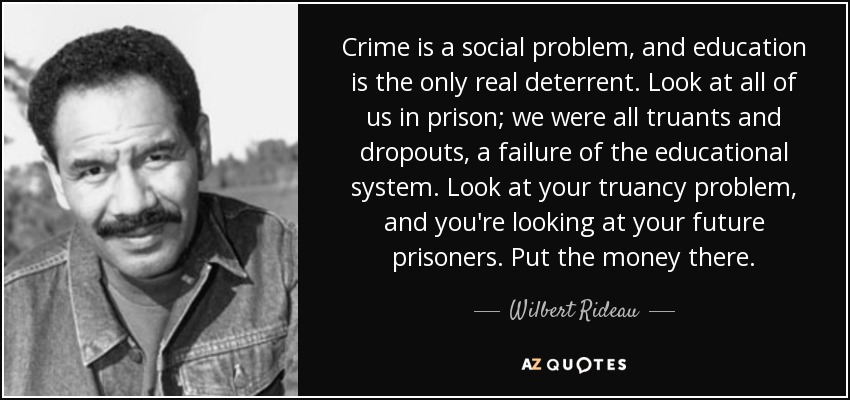
Crime is often viewed as a law enforcement issue, but one of the most effective and sustainable ways to reduce crime lies beyond policing, in education.
By equipping individuals with knowledge, critical thinking skills, and opportunities for personal growth, education addresses many of the root causes of criminal behavior. It not only reduces the likelihood of crime but also builds stronger, more resilient communities.
Understanding the Link Between Education and Crime
Numerous studies have shown a strong connection between low levels of education and higher rates of criminal activity. Individuals who lack access to quality education are more likely to face unemployment, poverty, and social exclusion—factors that can increase the temptation or necessity to engage in crime.
Education changes this trajectory by:
-
Expanding economic opportunities
-
Improving decision-making and problem-solving skills
-
Promoting social and moral values
-
Increasing awareness of laws and consequences
In essence, education acts as both a preventive tool and a pathway to a better life.
Early Childhood Education: Building Strong Foundations
Crime prevention begins long before adulthood. Early childhood education plays a crucial role in shaping behavior, emotional intelligence, and social skills. Children who receive quality early education are more likely to:
-
Develop empathy and self-control
-
Perform better academically
-
Avoid risky or delinquent behavior
Programs that focus on early learning, especially in underserved communities, can significantly reduce future crime rates by addressing issues before they escalate.
Keeping Youth Engaged in School
School dropout rates are closely linked to crime, particularly among young people. When students leave school prematurely, they often lose access to structured environments, mentorship, and future job prospects.
To combat this, governments and communities can:
-
Provide scholarships and financial support
-
Create engaging and practical curricula
-
Offer vocational and technical training
-
Establish mentorship and counseling programs
When young people see a clear path to success through education, they are less likely to turn to crime.
Life Skills and Values-Based Education
Education is not just about academic knowledge, it also shapes character. Teaching life skills such as conflict resolution, emotional regulation, and ethical decision-making can reduce violent behavior and criminal tendencies.
Values-based education encourages:
These lessons help individuals make better choices, even in challenging situations.
Education in Correctional Facilities
For individuals who have already engaged in criminal activity, education offers a second chance. Rehabilitation programs that include literacy training, vocational skills, and higher education have been proven to reduce reoffending rates.
Benefits of prison education include:
-
Improved employment prospects after release
-
Reduced likelihood of returning to crime
-
Better reintegration into society
Investing in inmate education is not just a humanitarian effort—it is a practical strategy for long-term crime reduction.
Community-Based Educational Programs
Beyond formal schooling, community education initiatives also play a vital role. Workshops, skill acquisition programs, and public awareness campaigns can reach individuals who may not be in traditional education systems.
In many urban areas, including rapidly growing cities, community programs help:
These grassroots efforts are especially effective in areas where formal systems may be limited.
The Role of Government and Policy
For education to effectively prevent crime, it must be accessible, inclusive, and relevant. Governments have a responsibility to:
-
Invest in quality public education
-
Ensure equal access for all socioeconomic groups
-
Align education with job market needs
-
Support teacher training and infrastructure development
Policies that prioritize education are, in many ways, policies that promote safety and stability.
Challenges to Overcome
While education is a powerful tool, several barriers can limit its impact:
-
Poverty and inequality
-
Poor infrastructure and overcrowded schools
-
Lack of qualified teachers
-
Cultural or societal barriers to education
Addressing these challenges requires coordinated efforts from governments, communities, and international organizations.
Conclusion
Crime prevention through education is not an overnight solution, but it is one of the most effective long-term strategies available. By investing in education at all levels, from early childhood to adult learning, societies can tackle the root causes of crime rather than just its symptoms.
Ultimately, education empowers individuals with choices. And when people have better choices, they are far less likely to choose crime.