
Desert Survival Strategies in Nature
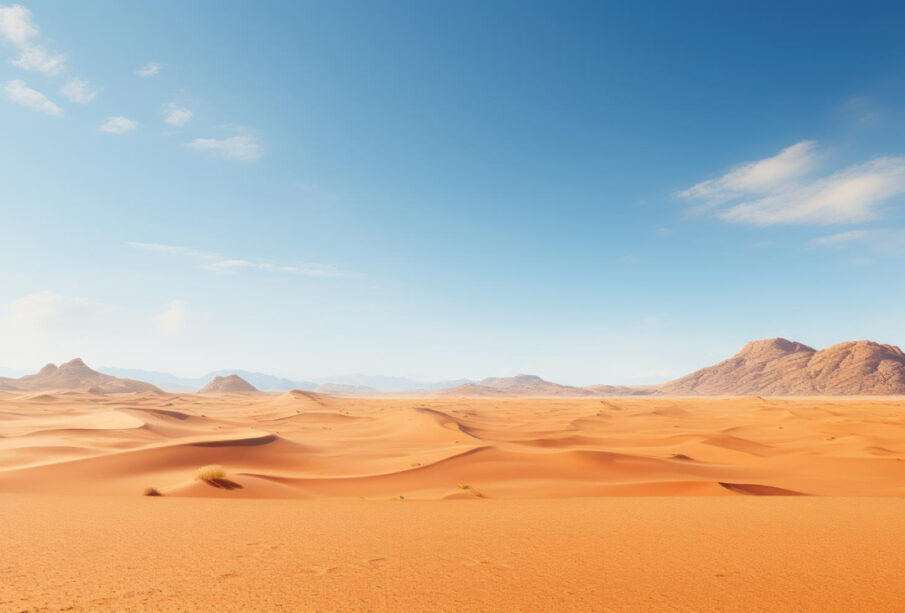
Deserts are among the harshest environments on Earth.
With extreme temperatures, limited water sources, and vast stretches of barren land, surviving in a desert requires knowledge, preparation, and calm decision-making. From the vast sands of the Sahara Desert to the rugged landscapes of the Mojave Desert, the same fundamental survival principles apply. Understanding these strategies can make the difference between life and death in such unforgiving terrain.
Understanding the Desert Environment
Deserts are defined by their extremely low rainfall, often receiving less than 250 millimeters of precipitation annually. Despite their dry appearance, deserts are full of life, including specialized plants and animals adapted to harsh conditions.
During the day, desert temperatures can rise above 45°C (113°F), while nights may become surprisingly cold. Wind, intense sunlight, and dehydration are major dangers. Surviving requires managing exposure to these elements while conserving energy and resources.
Finding and Conserving Water
Water is the most critical survival resource in the desert. Without it, the human body can quickly succumb to dehydration.
Strategies to find water include:
-
Looking for vegetation such as palm trees or dense green plants, which may indicate underground water.
-
Following animal tracks, which sometimes lead to water sources.
-
Collecting morning dew using cloth or clothing.
-
Digging in dry riverbeds or low areas where moisture may accumulate.
However, finding water is only part of the challenge. Conservation is equally important. Avoid unnecessary physical activity during the hottest parts of the day, and stay in shaded areas to reduce sweating.
Creating Shelter From the Heat
Protection from the sun is essential. Direct sunlight can quickly lead to heat exhaustion or heatstroke.
If natural shelter is unavailable, survivors can create shade using available materials such as branches, rocks, clothing, or even digging shallow trenches in the sand. The goal is to reduce direct sun exposure and maintain body temperature.
Traveling during early morning or late evening hours is also advisable, as temperatures are lower and the risk of heat-related illness decreases.
Navigation and Orientation
Deserts can be disorienting due to their vast, featureless landscapes. Without clear landmarks, travelers may easily lose their sense of direction.
To navigate effectively:
-
Use the sun to determine east and west.
-
Observe stars at night for orientation.
-
Mark your path with stones or other visible markers.
Historically, desert travelers and nomadic groups relied on stars and environmental cues to guide their journeys across massive landscapes like the Arabian Desert.
Recognizing Edible Plants and Avoiding Danger
Although deserts may appear lifeless, many plants can provide food and hydration. Certain cactus species store water and nutrients, but caution is necessary because some desert plants are toxic.
Learning to identify safe plants before entering a desert environment is critical. Similarly, many desert animals such as snakes and scorpions may pose threats, especially at night when they are most active.
Always check resting areas, shoes, and sleeping spots to avoid accidental encounters with dangerous wildlife.
Managing Body Energy and Health
Survival in the desert depends heavily on conserving energy. Excessive movement during the day can cause rapid dehydration.
Key strategies include:
-
Resting during the hottest hours of the day
-
Wearing loose, light-colored clothing
-
Covering the head to prevent heatstroke
-
Maintaining slow and steady movement when traveling
These practices help regulate body temperature and extend the body’s limited water supply.
Psychological Survival
Mental strength plays a major role in survival. Panic, confusion, and fear can lead to poor decisions. Staying calm allows individuals to think clearly, ration resources, and plan their movements carefully.
Successful desert survival stories often highlight the importance of patience and discipline. The desert rewards those who move carefully and punishes those who rush without strategy.
Lessons From Nature
Nature itself provides valuable survival clues. Many desert animals survive by staying underground during the day and emerging at night. Humans can adopt similar strategies by resting in shade and traveling when temperatures are cooler.
Plants also demonstrate survival techniques such as storing water and minimizing moisture loss. Observing these natural adaptations can help humans understand how to cope with the desert environment.
Conclusion
Deserts may appear empty and hostile, but they are ecosystems governed by clear survival rules. By prioritizing water, minimizing exposure to heat, navigating carefully, and staying mentally composed, individuals can dramatically improve their chances of survival.
From the immense dunes of the Sahara Desert to remote deserts around the world, the key to survival lies in respecting nature’s power and understanding how to work with the environment rather than against it.




Leave a reply







Africa’s Source for Breaking News | Entertainments | Health | Finance | Sports | Lifestyle and Business News.


