
Healthy Conflict Resolution in Relationships ❤️
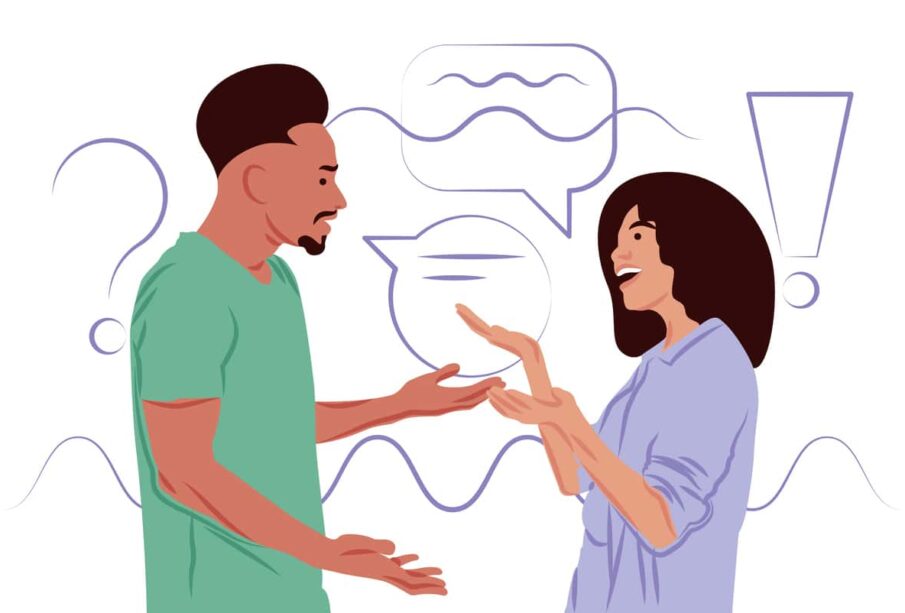
Conflict is a natural part of every relationship.
Whether between romantic partners, friends, or family members, disagreements are bound to happen when individuals have different opinions, expectations, and emotional responses. However, conflict itself is not the problem. The real issue lies in how people handle it. Healthy conflict resolution can strengthen relationships, deepen understanding, and build trust when managed properly.
Why Conflict Happens
No two people think exactly alike. Differences in upbringing, personality, beliefs, and communication styles often lead to misunderstandings. Stress, unmet expectations, financial pressure, or external responsibilities can also intensify disagreements.
In many cases, conflicts arise not because people want to hurt each other, but because they feel unheard, misunderstood, or emotionally overwhelmed. Recognizing that conflict is a normal part of human interaction helps partners approach disagreements with a healthier mindset.
The Importance of Healthy Conflict Resolution
Unresolved conflict can damage relationships over time. Constant arguments, silent treatment, or avoidance may lead to resentment and emotional distance. On the other hand, healthy conflict resolution allows individuals to express their concerns while still respecting each other.
When couples or partners learn to resolve conflicts constructively, they build stronger communication skills. They also develop emotional safety, where both people feel comfortable expressing their thoughts without fear of judgment or hostility.
Key Principles of Healthy Conflict Resolution
1. Stay Calm and Manage Emotions
Arguments often escalate when emotions take control. Anger can lead to harsh words and impulsive reactions that people later regret. Taking a moment to breathe and calm down helps prevent the conversation from turning into a personal attack.
Pausing before responding allows both partners to think clearly and approach the issue more rationally.
2. Listen to Understand, Not to Win
Many conflicts worsen because people listen only to respond rather than to understand. Healthy communication requires active listening. This means paying full attention, acknowledging the other person’s feelings, and trying to understand their perspective.
When people feel heard, they are more willing to cooperate and find solutions.
3. Focus on the Problem, Not the Person
Blaming or criticizing a partner’s character can quickly escalate an argument. Instead of saying, “You never care about my feelings,” it is more helpful to say, “I feel hurt when my concerns are not acknowledged.”
This approach shifts the conversation away from personal attacks and toward solving the issue.
4. Use Respectful Communication
Tone and language matter greatly during disagreements. Insults, sarcasm, and disrespectful remarks create emotional damage that may take a long time to heal. Speaking calmly and respectfully encourages a more productive discussion.
Healthy relationships are built on mutual respect, even during disagreements.
5. Be Willing to Compromise
Not every conflict has a clear winner or loser. In many situations, the best outcome is a compromise where both partners adjust their expectations slightly to reach a mutually acceptable solution.
Flexibility shows that each person values the relationship more than winning the argument.
6. Take Breaks When Needed
Sometimes conflicts become too intense to resolve immediately. Taking a short break can help both individuals cool down and reflect on the issue more calmly. Returning to the discussion later with a clearer mindset often leads to better outcomes.
However, breaks should not become avoidance. The goal is to pause, not ignore the problem.
Building Long-Term Conflict Resolution Skills
Healthy conflict resolution is a skill that develops over time. Couples who consistently practice open communication, empathy, and patience often find that conflicts become easier to manage.
Regularly checking in with each other, expressing appreciation, and discussing small issues before they grow into major problems can also prevent unnecessary tension.
Conclusion
Conflict does not have to weaken relationships. When handled with patience, empathy, and respect, disagreements can actually strengthen emotional bonds. Healthy conflict resolution encourages understanding, promotes personal growth, and creates a foundation of trust between partners.
In the end, strong relationships are not defined by the absence of conflict, but by the ability to navigate disagreements with maturity and care.




Leave a reply






Africa’s Source for Breaking News | Entertainments | Health | Finance | Sports | Lifestyle and Business News.


