
How Mobile Money Is Transforming Finance in Africa
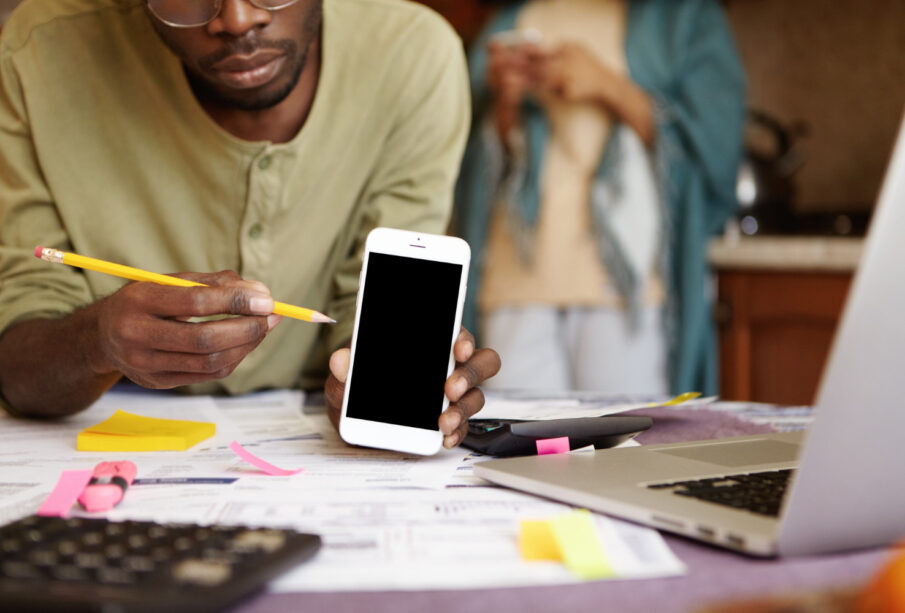
Mobile Money
Mobile money is redefining how Africans access, manage, and use financial services. Across the continent, millions of people now rely on their mobile phones—not traditional banks—to send money, pay bills, save, and even access credit.
What began as a simple peer-to-peer transfer system has grown into a powerful financial ecosystem driving inclusion, entrepreneurship, and economic growth.
In this article, we explore how mobile money is transforming finance in Africa, why it matters, and what the future holds.
What Is Mobile Money?
Mobile money is a digital financial service that allows users to store, send, and receive money using their mobile phones—without requiring a traditional bank account.
Users access mobile money through:
-
USSD codes
-
Agent networks
Funds are stored in a digital wallet linked to a phone number, making financial services accessible even to people using basic feature phones.
Expanding Financial Inclusion Across Africa
One of the biggest impacts of mobile money in Africa is financial inclusion.
Millions of Africans live far from bank branches or lack the documentation needed to open formal bank accounts. Mobile money removes these barriers by offering:
-
Simple registration
-
Low or zero minimum balances
-
Wide agent networks in rural and urban areas
Local Example
In Kenya, M-Pesa has enabled millions of previously unbanked citizens to access digital financial services.
>In Nigeria, services such as OPay, PalmPay, and Paga provide wallet-based banking to users without traditional accounts.
>In Ghana, MTN MoMo has become a primary financial tool for everyday transactions.
These platforms give people a safe place to store money and participate in the formal economy.
Making Everyday Transactions Faster and Easier
Mobile money has transformed how Africans handle daily payments.
People now use mobile wallets to:
-
Pay electricity and water bills
-
Buy airtime and data
-
Send money to friends and family
-
Pay school fees
-
Purchase goods and services
Instead of traveling long distances or standing in queues, transactions can be completed in seconds from a phone.
Supporting Small Businesses and Informal Traders
Small and medium-sized enterprises (SMEs) are the backbone of African economies, and mobile money plays a major role in their growth.
With mobile money, business owners can:
-
Accept cashless payments
-
Reduce theft and cash-handling risks
-
Pay suppliers digitally
-
Track transaction history
Local Example
Market traders in Nigeria commonly display QR codes or phone numbers for instant wallet transfers.
Small shops in Kenya accept M-Pesa as readily as cash.
Street vendors in Ghana rely on mobile wallets to receive payments from customers.
Mobile money has turned even informal businesses into participants in the digital economy.
Encouraging Savings and Micro-Investments
Many mobile money platforms now offer savings features that allow users to:
-
Save small amounts daily or weekly
-
Earn interest on balances
-
Join digital savings groups
This supports people who may struggle to save large sums at once.
Local Example
Some Nigerian fintech apps integrate wallet savings with investment options in treasury bills or mutual funds.
Kenyan users can link mobile wallets to interest-earning savings products.
These tools encourage consistent saving habits and long-term financial planning.
Improving Access to Credit
Mobile money generates transaction data that helps fintech companies assess user behavior.
This enables:
-
Microloans
-
Short-term digital credit
-
Pay-later services
People without traditional credit histories can now access small loans for emergencies or business opportunities.
While responsible borrowing is important, this access to credit has helped many smooth income gaps and grow small ventures.
Boosting Remittances and Cross-Border Payments
Sending money across African borders has traditionally been expensive and slow.
Mobile money is reducing these barriers by enabling:
-
Faster transfers
-
Lower fees
-
Wallet-to-wallet cross-border payments
Diaspora remittances are also increasingly delivered through mobile wallets, helping families receive money quickly and securely.
Enhancing Financial Security
Compared to cash, mobile money offers better protection:
-
PIN and biometric security
-
Transaction alerts
-
Digital records
-
Easy account recovery
This reduces the risk of loss or theft and improves trust in digital finance.
Driving Africa’s Fintech Revolution
Mobile money created the foundation for Africa’s booming fintech sector.
Today, many platforms build services on top of mobile wallets, including:
-
Insurance products
-
Investment apps
-
Buy-now-pay-later services
-
Digital banks
-
Merchant tools
Africa is now recognized globally as a leader in mobile-first financial innovation.
Challenges Facing Mobile Money in Africa
Despite its growth, challenges remain:
-
Fraud and scams
-
Poor network connectivity in some areas
-
Limited digital literacy
-
Regulatory differences between countries
Addressing these issues will be key to sustainable expansion.
The Future of Mobile Money in Africa
The future of mobile money points toward:
-
Stronger integration with banks
-
More cross-border payment options
-
Advanced credit scoring systems
-
Expanded investment and insurance services
-
Wider adoption of cashless payments
Mobile money is evolving into a complete digital financial ecosystem.
Conclusion
Mobile money has transformed mobile phones into powerful financial tools across Africa. It has expanded financial inclusion, supported small businesses, improved access to credit, and simplified everyday transactions.
As technology advances, mobile money will continue to play a central role in shaping Africa’s financial future.



Leave a reply




Africa’s Source for Breaking News | Entertainments | Health | Finance | Sports | Lifestyle and Business News.


