
How to Reframe Failure as Feedback

Failure has a way of feeling final.
A rejected job application. A business idea that doesn’t work. An exam you didn’t pass. A relationship that ends despite your effort. In moments like these, failure can feel less like an event and more like a verdict, proof that you weren’t good enough, smart enough, or ready enough.
But what if failure is not a verdict at all?
What if it is feedback?
The difference between people who remain stuck after setbacks and those who grow from them often lies in how they interpret failure. The event may be the same, but the meaning they assign to it changes everything.
Why Failure Feels So Personal
Humans naturally connect outcomes with identity. When something goes wrong, the mind quickly shifts from “This didn’t work” to “I didn’t work.” This reaction is understandable. From school systems to workplaces, success is often rewarded publicly while mistakes are quietly discouraged. Over time, many people begin to see failure as something to avoid rather than something to learn from.
Yet psychology tells a different story: learning depends on error. The brain improves through correction, adjustment, and repetition. Without mistakes, growth stalls.
Failure hurts not because it ends progress, but because we misunderstand its role in progress.
The Difference Between Failure and Feedback
Failure feels heavy because it sounds permanent. Feedback feels useful because it suggests improvement.
Consider the difference:
-
Failure mindset: “I failed, so I’m not capable.”
-
Feedback mindset: “This result shows me what needs adjustment.”
Feedback asks questions instead of passing judgment:
-
What worked?
-
What didn’t work?
-
What can I change next time?
This shift transforms setbacks from emotional dead ends into learning tools.
Real Life Rarely Rewards Perfection
Look closely at any success story and you will rarely find a straight path. Entrepreneurs refine ideas after multiple unsuccessful attempts. Professionals change careers after early disappointments. Creatives produce many unseen drafts before their best work emerges.
Across fast-changing economies and industries, adaptability matters more than flawless beginnings. A small business owner whose first product fails may discover through customer reactions what people actually need. A graduate rejected from several roles may use feedback to develop new skills that eventually open better opportunities.
Progress often hides inside imperfect outcomes.
How to Practically Reframe Failure
Reframing failure is not about pretending disappointment doesn’t exist. It is about responding differently after the initial emotional reaction.
Here are practical ways to do it:
1. Separate Identity from Outcome
Instead of saying, “I failed,” try saying, “This attempt failed.”
This small language shift protects self-worth while allowing honest evaluation.
2. Ask Better Questions
After a setback, ask:
-
What specifically didn’t work?
-
What was within my control?
-
What skill or strategy needs improvement?
Specific questions turn emotion into insight.
3. Look for Data, Not Drama
Every outcome contains information. Maybe the timing was wrong. Maybe preparation was incomplete. Maybe communication could improve. Treat results like data rather than personal judgment.
4. Focus on Adjustment, Not Perfection
Growth rarely requires starting over completely. Often, small adjustments create major improvement.
A job interview that goes poorly may simply reveal the need for better preparation or clearer storytelling, not a lack of ability.
5. Normalize Iteration
Think of progress as experimentation. Each attempt provides feedback that informs the next one. Scientists, athletes, and innovators all rely on repeated trial and refinement.
Life works the same way.
The Emotional Side of Failure
Reframing failure does not mean ignoring feelings. Disappointment, frustration, or embarrassment are natural responses. Growth happens when emotions are acknowledged, but not allowed to define the story.
Give yourself time to process, then return with curiosity instead of criticism. Curiosity turns pain into learning.
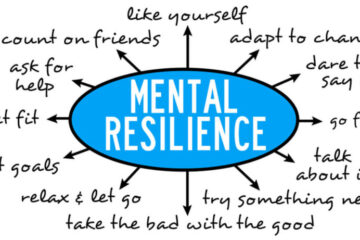
Why Feedback Builds Resilience
When failure becomes feedback, fear loses its power. You become more willing to try, experiment, and take calculated risks.
This mindset builds resilience because setbacks are no longer endings, they are instructions. Over time, confidence grows not from always succeeding, but from knowing you can recover, adapt, and improve.
A Different Way to See Setbacks
Imagine learning to walk as a child while believing every fall meant permanent failure. Progress would stop immediately. Yet children treat falling as information, they adjust balance and try again. Somewhere along the way, adults forget this natural learning process. Failure is not the opposite of success. It is often part of the same process.
Final Thoughts
Reframing failure as feedback does not erase difficulty, but it changes direction. Instead of asking, “Why did this happen to me?” you begin asking, “What is this teaching me?”
And that question quietly shifts power back into your hands.
Because when failure becomes feedback, every experience; even the painful ones, moves you forward.



Leave a reply







Africa’s Source for Breaking News | Entertainments | Health | Finance | Sports | Lifestyle and Business News.


