
Nature’s Most Powerful Adaptations
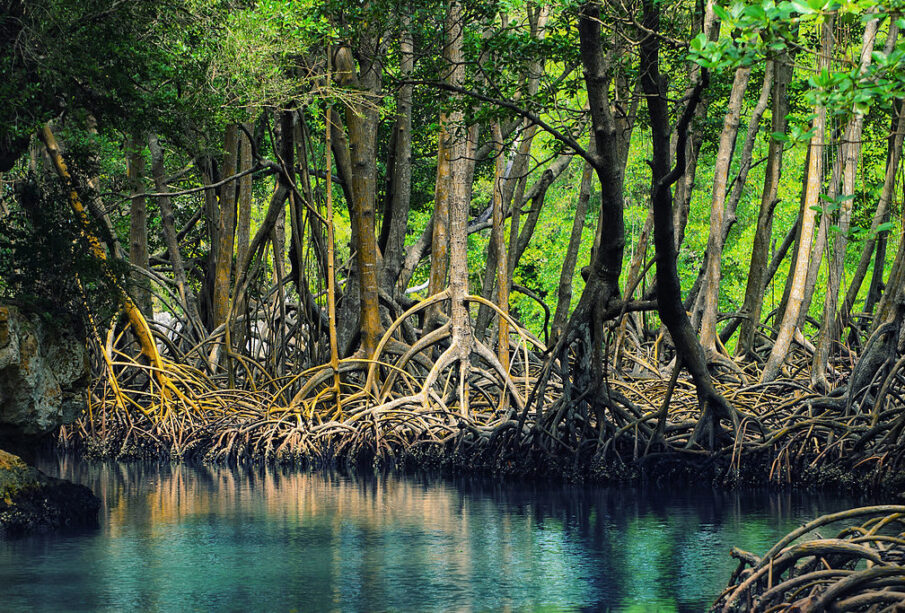
Nature is an endless showcase of ingenuity.
Across millions of years, species have evolved remarkable adaptations, unique traits that allow them to survive, thrive, and reproduce in some of the planet’s harshest environments. From microscopic organisms to massive mammals, the ingenuity of these adaptations can seem almost magical. Here are some of nature’s most powerful examples.
1. Camouflage: The Art of Disappearing
Survival often means avoiding detection. Many species have developed astonishing camouflage techniques:
-
Chameleons can change their skin color to match surroundings, communicate mood, and regulate temperature.
-
Leaf insects and stick insects mimic leaves and twigs so perfectly that predators often overlook them entirely.
-
Arctic foxes switch from brown in summer to white in winter, blending seamlessly with snow and tundra landscapes.
Camouflage is more than just hiding; it is an evolutionary toolkit that balances predation and protection.
2. Extreme Senses: Seeing Beyond the Ordinary
Some animals have honed their senses to superhuman levels:
-
Eagles can spot prey from miles away, thanks to eyes designed for acute visual acuity.
-
Sharks detect electrical fields generated by movement in water, making them virtually unstoppable hunters.
-
Bats use echolocation to “see” in complete darkness, navigating and hunting with pinpoint precision.
These sensory adaptations allow creatures to exploit niches others cannot, giving them a vital survival advantage.
3. Regeneration: Nature’s Reset Button
The ability to repair or regrow lost body parts is a remarkable adaptation:
-
Axolotls can regenerate entire limbs, spinal cords, and even parts of their heart.
-
Starfish can regrow arms, sometimes creating entirely new individuals from a single limb.
-
Planarian worms can regenerate from tiny body fragments, essentially achieving biological immortality under the right conditions.
Regeneration not only aids survival but also ensures continuity in environments where injuries are common.
4. Chemical Warfare: Defending With Poisons
Some species use chemicals as defense or offense, creating an invisible barrier against threats:
-
Poison dart frogs secrete potent toxins from their skin, deterring predators instantly.
-
Bombardier beetles mix chemicals in their abdomen to spray a boiling-hot, noxious liquid at attackers.
-
Cone snails inject venom to immobilize prey almost instantly, making them deadly hunters despite their slow speed.
These chemical adaptations highlight evolution’s ability to engineer solutions beyond brute strength.
5. Migration and Navigation: Mastering the Journey
Some species have evolved the ability to travel incredible distances to survive:
-
Arctic terns fly up to 71,000 km annually, navigating from pole to pole with precision.
-
Monarch butterflies migrate thousands of kilometers across North America, returning to the same forests each year.
-
Salmon return from the ocean to their exact freshwater birthplace to spawn, guided by a combination of magnetic and chemical cues.
Such adaptations ensure access to food, breeding grounds, and favorable climates, often across entire continents.
6. Symbiosis: The Power of Teamwork
Survival is not always about going it alone, sometimes, it’s about forming alliances:
-
Clownfish and sea anemones share a mutually protective relationship: the fish gains shelter while the anemone gains cleaned surfaces and nutrients.
-
Fungi and plant roots form mycorrhizal networks, helping plants absorb water and nutrients while the fungi receive sugars.
-
Cleaner fish eat parasites off larger fish, gaining food while providing a vital service.
Symbiotic adaptations demonstrate that cooperation can be as powerful as competition in the natural world.
Conclusion: Lessons From Nature
Nature’s adaptations are a masterclass in survival. Each one reflects an intricate balance between environment, predation, and reproduction. From invisibility and super senses to regeneration, chemical defenses, migration, and symbiosis, these traits are evidence that evolution is both creative and ruthless. By studying these adaptations, we not only marvel at life’s ingenuity but also gain insights into resilience, efficiency, and problem-solving, lessons that can inspire human innovation.



Leave a reply






Africa’s Source for Breaking News | Entertainments | Health | Finance | Sports | Lifestyle and Business News.


