
Parenting Styles and Emotional Development
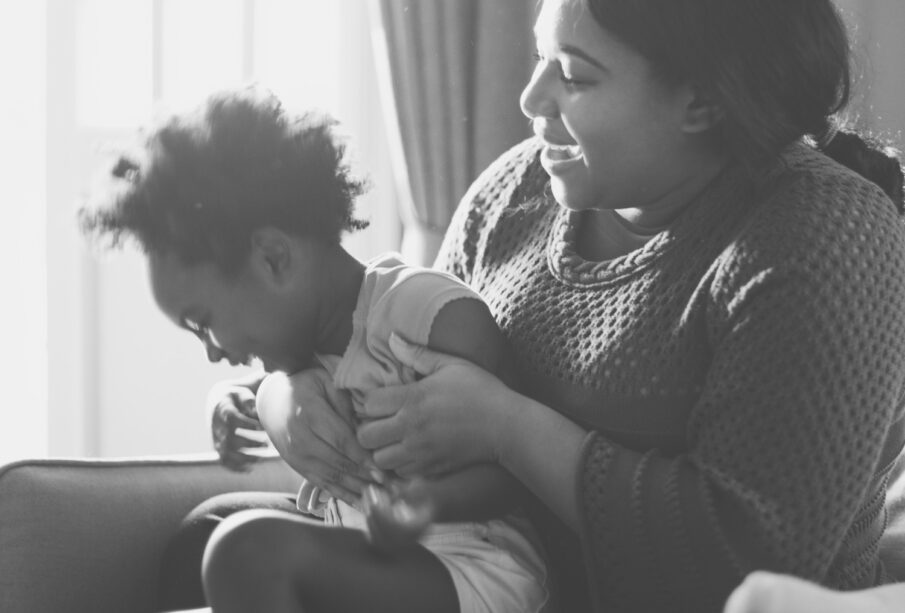
Parenting is one of the most influential forces in shaping a child’s emotional world.
From how children understand their feelings to how they build relationships, much of their emotional development is rooted in the environment created at home. Different parenting styles offer unique approaches to discipline, communication, and affection, and each plays a critical role in how children grow emotionally.
Understanding Parenting Styles
Psychologists generally identify four main parenting styles: authoritative, authoritarian, permissive, and neglectful. These styles differ in levels of responsiveness (warmth and support) and demandingness (rules and expectations).
1. Authoritative Parenting
This style combines high expectations with warmth and understanding. Parents set clear rules but are also open to discussion and explanation. Children raised in authoritative homes tend to develop strong emotional intelligence. They learn how to express feelings appropriately, regulate emotions, and empathize with others. This balanced approach fosters confidence and resilience.
2. Authoritarian Parenting
Authoritarian parents emphasize strict rules, obedience, and discipline, often with little room for dialogue. While children may become disciplined and respectful of authority, they may also struggle with emotional expression. Fear of punishment can lead to suppressed feelings, anxiety, or difficulty forming close relationships later in life.
3. Permissive Parenting
Permissive parents are warm and loving but set few boundaries. They tend to avoid confrontation and allow children a high degree of freedom. While this can encourage creativity and self-expression, it may also lead to challenges in emotional regulation. Children might struggle with self-control, responsibility, and handling frustration.
4. Neglectful Parenting
Neglectful parenting involves low responsiveness and low demands. Parents may be emotionally distant or uninvolved in their child’s life. This style can significantly hinder emotional development, often leading to feelings of insecurity, low self-worth, and difficulty trusting others.
The Link Between Parenting and Emotional Development
Emotional development involves the ability to recognize, understand, and manage one’s emotions while also responding appropriately to others. Parenting influences this process in several key ways:
1. Emotional Security
Children need a safe and supportive environment to explore their emotions. Consistent care and affection help build trust, which is essential for emotional stability.
2. Modeling Behavior
Children learn by observing. Parents who handle stress calmly, communicate openly, and show empathy teach their children to do the same.
3. Communication Patterns
Open communication encourages children to express their feelings without fear. When parents listen actively and validate emotions, children feel understood and valued.
4. Discipline and Guidance
Constructive discipline, focused on teaching rather than punishing, helps children understand consequences and develop self-control.
Long-Term Effects on Emotional Well-Being
The impact of parenting styles extends into adolescence and adulthood. Children raised in supportive and structured environments are more likely to:
- Develop healthy relationships
- Manage stress effectively
- Exhibit higher self-esteem
- Show empathy and social competence
On the other hand, inconsistent or harsh parenting can contribute to emotional challenges such as anxiety, depression, or difficulty in interpersonal relationships.
Finding a Balanced Approach
No parent is perfect, and most people do not fit neatly into one category. However, striving toward an authoritative style, balancing warmth with clear expectations, tends to support the healthiest emotional outcomes.
Practical steps include:
- Setting consistent rules while explaining their purpose
- Encouraging open conversations about feelings
- Showing empathy and understanding
- Providing guidance without excessive control
Conclusion
Parenting styles shape far more than behavior, they shape how children feel, think, and connect with the world. By fostering a supportive, communicative, and structured environment, parents can help their children develop strong emotional foundations that last a lifetime.




Leave a reply






Africa’s Source for Breaking News | Entertainments | Health | Finance | Sports | Lifestyle and Business News.


