
Political Decisions That Affect Daily Life
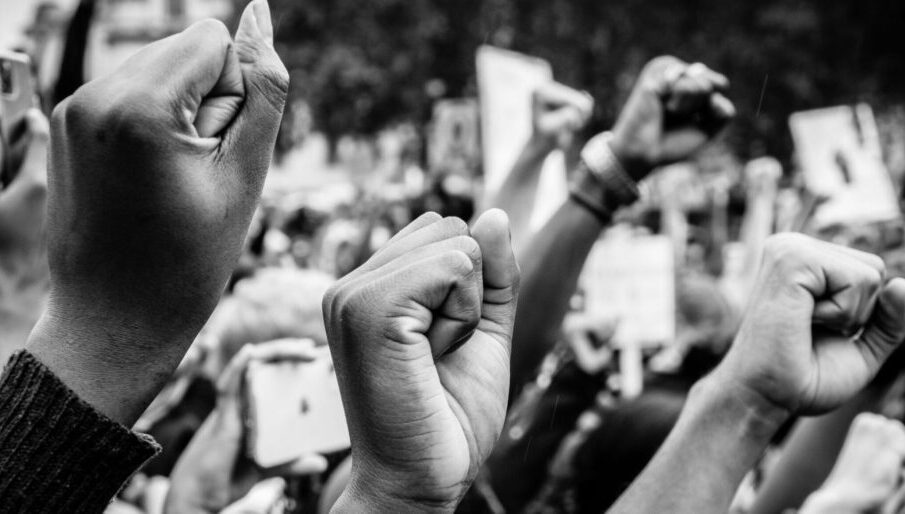
Politics is often seen as something distant, debates in parliament, campaign speeches, or international summits.
However, political decisions actively shape our everyday experiences in ways we may not notice. From the price of food to the quality of education, government policies influence how we live, work, and interact with the world around us.
1. Cost of Living and Taxes
One of the most direct ways politics affects daily life is through taxation and economic policies. Governments decide how much tax individuals and businesses pay, and they determine how to spend that revenue. Consequently, changes in tax rates can increase or decrease disposable income, while policies on subsidies and imports influence the prices of essential goods like fuel, food, and transportation.
For instance, when a government raises fuel taxes or removes subsidies, transportation costs rise, leading to higher prices for goods and services across the board.
2. Education Systems
Political leaders actively shape education through funding, curriculum standards, and access policies. Whether schools are well-equipped, teachers are properly trained, or students can afford education depends on government priorities.
For example, investing in public schools or providing student loan programs expands access to education, while limited funding restricts opportunities for many students.
3. Healthcare Access
Healthcare policies directly impact the quality and affordability of medical services. Governments fund hospitals, subsidize care, and regulate insurance systems.
When leaders support universal healthcare, more people gain access to treatment. Conversely, funding cuts can overcrowd hospitals and increase medical costs.
4. Employment and Wages
Minimum wage laws, labor regulations, and job creation programs are political decisions that shape employment. Governments influence job availability by investing in infrastructure, supporting small businesses, and negotiating trade agreements.
Therefore, policies that encourage economic growth and fair labor practices lead to better job opportunities and improved working conditions.
5. Infrastructure and Transportation
The roads we drive on, public transportation systems, and even access to electricity and water reflect political choices. By prioritizing infrastructure projects, governments improve efficiency and quality of life.
On the other hand, poor planning or insufficient funding causes traffic congestion, unreliable power, and limited public services, all of which disrupt daily routines.
6. Security and Law Enforcement
Public safety largely depends on political decisions. Governments create laws, allocate funds to security agencies, and implement crime prevention strategies.
Effective policies make communities safer, whereas poor decisions may increase crime rates and erode trust in law enforcement.
7. Environmental Policies
Environmental regulations influence air quality, waste management, and access to clean water. Governments set rules on industrial activity, conservation, and climate action.
As a result, weak environmental policies cause pollution and health issues, while strong regulations preserve resources for future generations.
8. Digital Life and Communication
Today, political decisions also affect internet access, data privacy, and digital freedom. Governments regulate telecommunications, social media, and cybersecurity.
Policies that promote open and affordable internet access enhance communication and business opportunities. In contrast, restrictive rules limit freedom of expression and access to information.
Conclusion
Political decisions are not abstract ideas confined to government offices; they actively shape daily life. From the money in our pockets to the quality of services we rely on, almost every aspect of modern living depends on policy choices.
Therefore, understanding these decisions empowers individuals to stay informed, participate in civic processes, and advocate for policies that improve their communities. Politics is not just about leaders—it is about the lives of the people they serve.



Leave a reply






Africa’s Source for Breaking News | Entertainments | Health | Finance | Sports | Lifestyle and Business News.


