

Political narratives shape how citizens interpret economic hardship, leadership decisions, elections, and national progress.
These narratives influence whether people feel hopeful, frustrated, loyal, or skeptical about government actions. In societies with diverse cultures, languages, and economic realities, narratives often become the bridge between complex political decisions and everyday understanding. As a result, public opinion is frequently shaped not just by what happens, but by how events are explained.
What Are Political Narratives?
Political narratives are simplified stories used by politicians, media organizations, activists, and citizens to explain political events. They frame issues in ways people can emotionally and culturally relate to.
In Nigeria and across Africa, common narrative themes include:
-
Change vs. continuity
-
Anti-corruption vs. political persecution
-
Economic reform vs. economic hardship
-
Youth empowerment vs. political exclusion
For example, fuel subsidy removal or currency reforms may be presented as necessary long-term solutions by governments, while critics may frame the same policies as immediate burdens on citizens. Both narratives influence how the public evaluates leadership.
How Political Narratives Shape Public Opinion
1. Economic Realities and Daily Experience
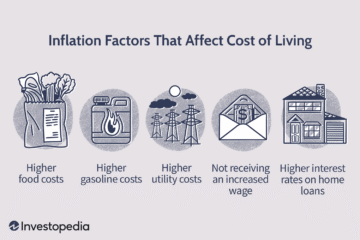
Public opinion in African countries is strongly tied to everyday living conditions, food prices, transportation costs, employment opportunities, and exchange rates.
When inflation rises, political narratives explaining why it is happening become powerful. Citizens may accept hardship if they believe a reform narrative promises future stability, or reject policies if opposing narratives dominate public discussion.
2. Ethnicity, Identity, and Regional Perspectives
Nigeria’s diversity means political messaging often resonates differently across regions and communities. Narratives sometimes align with identity, historical experiences, or local economic concerns.
This does not automatically create division, but it can reinforce political loyalties when narratives appeal to shared identity or perceived marginalization.
3. Election Campaign Messaging
Election periods amplify narrative competition. Campaigns rarely focus only on policy details; instead, they present larger stories such as:
-
“Rescue the economy”
-
“Renewed hope”
-
“Protect democracy”
-
“Return power to the people”
During recent Nigerian elections involving leaders like Bola Ahmed Tinubu and earlier administrations under Muhammadu Buhari, competing narratives shaped how voters interpreted economic performance, corruption claims, and governance priorities.
The Role of Nigerian and African Media
Traditional media remains highly influential in shaping political perception. Television, radio, and newspapers still reach millions of citizens, especially outside major cities.
Organizations such as Channels Television and Arise News play major roles in framing debates through interviews, panel discussions, and breaking news coverage.
Media framing affects public opinion through:
-
Headline language
-
Choice of expert commentators
-
Frequency of issue coverage
-
Visual storytelling and debate tone
Even subtle differences in presentation can influence how audiences interpret political events.
Social Media: The New Battlefield of Narratives
Social media has dramatically changed political communication across Africa. Platforms like Facebook, WhatsApp, and Twitter (X) now act as primary news sources for many young Africans.
Key impacts include:
-
Rapid information spread: Political messages circulate instantly.
-
Citizen journalism: Everyday users shape national conversations.
-
Viral narratives: Hashtags and short videos influence public mood.
-
Misinformation risks: Unverified claims can spread widely before fact-checking occurs.
In Nigeria especially, WhatsApp groups and online communities often serve as informal political discussion spaces where narratives evolve quickly.
Political Narratives During Economic Reforms
Across Africa, governments frequently introduce reforms involving subsidies, taxation, or currency management. These policies often trigger competing narratives:
-
Government narrative: sacrifice today for long-term growth.
-
Opposition narrative: policies worsen inequality.
-
Citizen narrative: focus on immediate cost of living.
Public opinion tends to follow whichever narrative aligns most closely with lived experience.
When Political Narratives Strengthen Democracy
Political storytelling can positively impact society when it:
-
Encourages civic participation
-
Simplifies complex policies for public understanding
-
Inspires national unity during crises
-
Promotes accountability discussions
Narratives help citizens engage with governance rather than remain politically disengaged.
When Narratives Become Dangerous
However, unchecked narratives can also create challenges:
-
Political polarization
-
Spread of misinformation
-
Distrust in institutions
-
Emotional reactions replacing policy debate
In extreme situations, competing narratives can divide societies into information “bubbles,” where groups believe entirely different versions of reality.
How Nigerians and Africans Can Evaluate Political Narratives
To form balanced opinions, citizens can:
-
Compare multiple news sources.
-
Verify claims before sharing online.
-
Separate emotional language from factual reporting.
-
Ask who benefits from a particular narrative.
-
Focus on measurable outcomes rather than slogans.
Media literacy is becoming as important as political participation itself.
The Future of Political Narratives in Africa
Africa’s young and digitally connected population means political narratives will continue evolving rapidly. With increasing internet access, AI-driven communication, and digital campaigning, political messaging will become more targeted and personalized.
This shift presents both opportunity and responsibility: citizens have more voices than ever before, but also face greater exposure to persuasive messaging.
Conclusion
In Nigeria and across Africa, political narratives play a central role in shaping public opinion. They influence how citizens interpret economic reforms, elections, leadership performance, and national progress.
Understanding these narratives allows voters to move beyond slogans and engage more critically with politics. In an age of fast-moving information, the ability to question, compare, and analyze political stories may be one of the most important democratic skills of all.



Leave a reply




Africa’s Source for Breaking News | Entertainments | Health | Finance | Sports | Lifestyle and Business News.


