
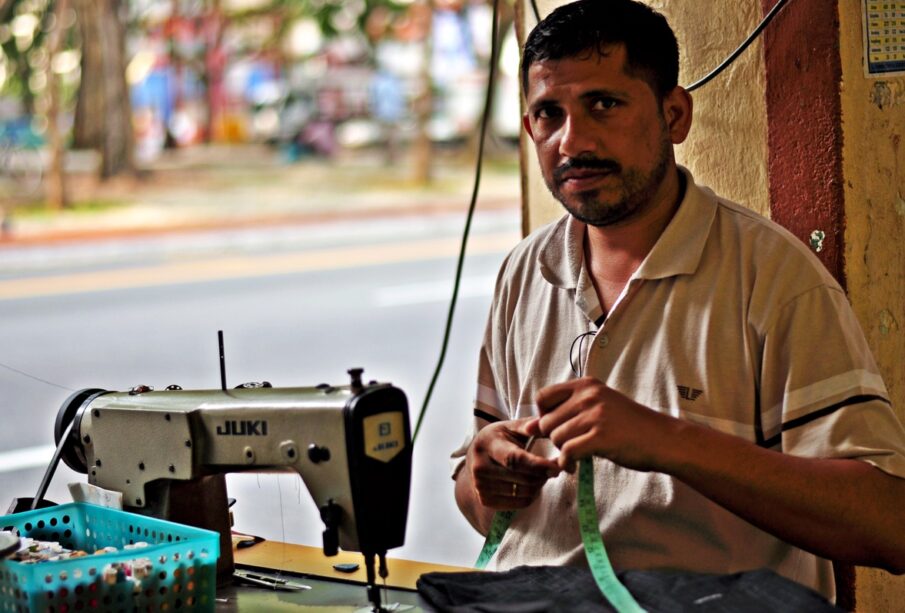
How to Start a Profitable Tailoring Business in Libya
How to Start a Profitable Tailoring Business in Libya
Starting a tailoring business in Libya can be a promising opportunity for entrepreneurs who understand fashion, customer preferences, and the importance of quality workmanship. People need clothing for everyday activities, religious celebrations, weddings, business meetings, and other special occasions. This creates opportunities for skilled tailors who can offer reliable services at competitive prices.
However, running a profitable tailoring business requires more than knowing how to sew. Entrepreneurs must understand their target market, manage expenses, source suitable materials, and build strong customer relationships. Whether you plan to work from home, open a small workshop, or establish a clothing brand, the right strategy can help you turn your sewing skills into a sustainable source of income.
1. Research the Libyan Fashion Market
Before investing money, take time to understand the clothing needs of people in your preferred location. Cities such as Tripoli, Benghazi, and Misrata have different commercial environments and customer opportunities. Your research should identify the services people need and the prices they are willing to pay.
Visit local clothing markets, fabric shops, tailoring workshops, and fashion stores. Observe which styles attract attention and what customers frequently request. Speak with potential customers about their preferences, budgets, and frustrations with existing tailoring services.
Libya’s fashion market includes traditional garments, modern clothing, modest fashion, formal outfits, and everyday wear. Depending on your skills and location, you could specialise in traditional Libyan clothing, custom-made dresses, men’s garments, children’s clothing, or alterations.
Rather than trying to serve everyone immediately, choose a specific market segment. Specialisation helps you build expertise, control production costs, and develop a recognisable reputation.
2. Create a Practical Business Plan
A business plan gives your tailoring business direction and helps you avoid unnecessary spending. Start by defining your services, target customers, startup budget, and expected monthly expenses.
List the equipment you need, including a sewing machine, scissors, measuring tape, needles, thread, cutting table, iron, and storage materials. You may also need an overlocker, embroidery equipment, or specialised machines if your services require them.
Your initial budget should cover equipment, workspace preparation, electricity, transport, materials, marketing, and other operating expenses. Keep some money aside for unexpected repairs and slow business periods.
Next, estimate how many garments or alterations you can complete each week. Calculate the amount you need to charge to cover your expenses and earn a reasonable profit. A simple plan makes it easier to measure progress and decide when to expand.
3. Choose the Right Business Location
Your location can influence how easily customers find you and how much you spend on rent. If your budget is limited, consider starting from home, provided local regulations and your living arrangements allow it.
A home-based workshop reduces overhead costs and lets you invest more money in equipment and materials. You can receive customers by appointment and promote your services online.
If you prefer a commercial shop, look for an accessible area near residential neighbourhoods, fabric markets, shopping streets, or other businesses that attract your target customers. Before signing a lease, compare rental prices, electricity availability, security, and customer traffic.
Keep the workspace clean, organised, and comfortable. Good lighting, proper equipment placement, and a fitting area can improve productivity and make customers feel confident about your services.
4. Buy Quality Equipment and Source Materials Carefully
Reliable equipment helps you produce neat garments and complete orders on time. If you cannot afford brand-new machines, consider purchasing well-maintained second-hand equipment. Test each machine before paying and check whether spare parts and repair services are available locally.
Fabric sourcing also deserves careful attention. Build relationships with dependable suppliers and compare prices before making large purchases. Ask about fabric quality, colour consistency, availability, and discounts for bulk orders.
Avoid tying up all your capital in materials that may remain unsold. When possible, ask customers to select and pay for their preferred fabrics before production begins. You can also keep a small collection of popular materials for customers who want convenient options.
5. Set Profitable Prices
Pricing your services correctly is essential for long-term success. Charging too little may attract customers initially, but it can leave you unable to cover expenses or replace equipment.
Calculate the cost of each job by considering fabric, thread, accessories, labour, electricity, transport, and other overheads. Add a profit margin that reflects the complexity of the work and the value you provide.
For example, a simple trouser alteration should cost less than a custom-made outfit that requires several fittings, detailed finishing, and expensive materials. Urgent orders may also justify an additional fee.
Research competitors’ prices, but do not copy them blindly. Focus on delivering value through accurate measurements, durable stitching, professional finishing, and dependable delivery times. Review your prices regularly as supplier costs and operating expenses change.
6. Promote Your Business and Attract Customers
Marketing helps potential customers discover your services. Create a business profile on platforms such as Facebook, Instagram, and WhatsApp, where you can share photographs of completed outfits, alteration projects, and designs.
Use clear images that show stitching quality, fabric details, and the finished fit. With customers’ permission, share testimonials and before-and-after photographs of clothing repairs or alterations.
Word-of-mouth marketing can be particularly valuable. Encourage satisfied customers to recommend your services to friends, relatives, colleagues, and community groups. You could also build partnerships with fabric retailers, boutiques, event planners, and wedding service providers.
Offer introductory promotions carefully, ensuring that discounted jobs remain profitable. Consistent quality and respectful customer service will help you build repeat business beyond your initial promotional period.
7. Manage Orders, Payments, and Customer Relationships
A profitable tailoring business needs an organised workflow. Record each customer’s measurements, design preferences, payment details, delivery date, and special instructions. Keep these records private and secure.
Agree on the price and delivery date before beginning work. For custom garments, request a deposit that covers an appropriate portion of the materials and production costs. Clearly communicate your payment terms and alteration policy.
Inspect every garment before delivery. Check seams, hems, buttons, zips, measurements, and overall finishing. If a delay occurs, inform the customer promptly rather than waiting for them to complain.
Professional communication builds trust, while accurate record-keeping reduces mistakes and disputes.
8. Understand Local Requirements and Plan for Growth
Before opening your business, investigate the registration, licensing, taxation, and other requirements applicable to your location in Libya. Requirements may vary according to your business structure and municipality, so seek guidance from the relevant local authorities or a qualified adviser.
Also consider practical operating risks, including electricity interruptions, changing material prices, and equipment breakdowns. Maintain backup supplies where affordable and keep emergency funds for essential repairs.
As demand increases, expand gradually. You might hire an assistant, add embroidery services, produce ready-to-wear clothing, or supply garments to boutiques. Track your sales and expenses to identify which services generate the strongest returns.
Conclusion
Starting a profitable tailoring business in Libya begins with understanding local customers, selecting a suitable niche, and investing carefully in equipment and materials. Success also depends on fair pricing, effective marketing, accurate measurements, and dependable delivery.
You do not need a large workshop to begin. A small operation with good workmanship and disciplined financial management can establish a strong customer base over time. Start with services you can deliver consistently, reinvest part of your profits, and improve your skills as demand grows. With patience and a clear business strategy, tailoring can become a sustainable enterprise with opportunities for long-term expansion.




Leave a reply





Africa’s Source for Breaking News | Entertainments | Health | Finance | Sports | Lifestyle and Business News.


