
Everyday Science Happening Around You
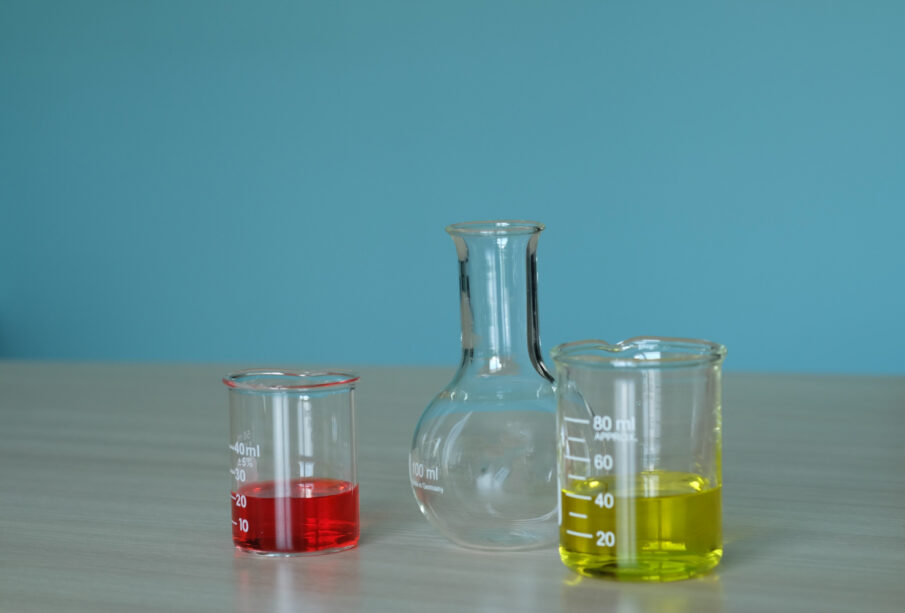
Simple Chemical Reactions at Home: Everyday Science Happening Around You
You don’t need a laboratory filled with test tubes and microscopes to witness chemistry in action. In fact, some of the most fascinating chemical reactions happen quietly in our kitchens, bathrooms, and living spaces every single day.
From baking bread to cleaning a stain or watching fruit change color after cutting, chemistry is constantly transforming ordinary materials into something new. Understanding these simple reactions helps us see that science is not distant or complicated, it is part of daily life.
What Is a Chemical Reaction?
A chemical reaction occurs when substances interact and rearrange their atoms to form new substances with different properties.
In simple terms, it’s when something changes at a molecular level and cannot easily return to its original form.
Common signs of a chemical reaction include:
-
Bubbling or fizzing
-
Color change
-
Heat production or cooling
-
Gas formation
-
New smells
Many of these reactions happen right at home without us noticing.
1. Baking Soda and Vinegar: The Famous Fizz
One of the easiest chemical reactions to observe involves baking soda and vinegar.
When combined:
-
Baking soda (a base) reacts with vinegar (an acid).
-
The reaction produces carbon dioxide gas.
-
The gas forms bubbles and foam.
This same reaction explains how some baked goods rise and why fizzy cleaning mixtures work so well at removing dirt.
What’s happening scientifically:
An acid–base reaction releases gas, creating visible fizzing.
2. Cooking Eggs: Protein Transformation
When you heat an egg, the clear egg white turns solid and white. This change is caused by protein denaturation. Heat breaks the bonds that keep proteins folded. The proteins unfold and reconnect, forming a new structure that traps water and becomes firm.
This reaction cannot be reversed, you cannot turn a cooked egg back into a raw one, making it a true chemical change.
3. Browning Apples and Bananas
Slice an apple and leave it exposed to air for a few minutes. It gradually turns brown.
This happens because of oxidation, a reaction between oxygen in the air and enzymes inside the fruit.
While the fruit is still safe to eat, its appearance changes due to new chemical compounds forming.
Simple kitchen science tip:
Adding lemon juice slows browning because acids reduce the reaction rate.
4. Baking Bread or Cake: Gas Creation and Expansion
When baking powder or yeast is added to dough or batter, a chemical reaction produces gas bubbles.
-
Yeast releases carbon dioxide during fermentation.
-
Baking powder reacts with moisture and heat to release gas.
These bubbles expand during baking, making bread soft and fluffy instead of dense.
What looks like cooking is actually controlled chemistry shaping texture.
5. Soap Cleaning Grease
When washing oily dishes, soap performs a chemical trick. Soap molecules attach to grease on one side and water on the other, allowing oil to mix with water and wash away.
Without this reaction, oil would simply remain on surfaces.
6. Rusting Metal: Chemistry Over Time
If metal objects are left in moist environments, they may develop rust. Rust forms when iron reacts with oxygen and water, creating iron oxide. This slow chemical reaction shows how chemistry can happen gradually, not just instantly.
Why These Reactions Matter
These everyday reactions are not just interesting, they have practical importance:
-
Cooking makes food safer and easier to digest.
-
Cleaning reactions remove harmful microbes.
-
Preservation techniques slow chemical changes in food.
-
Understanding reactions helps reduce waste and improve safety at home.
Science helps us make better decisions, even in ordinary tasks.
Safety First: Simple Rules for Home Experiments
While household chemistry is generally safe, a few precautions matter:
-
Never mix unknown cleaning chemicals.
-
Avoid combining bleach with ammonia or acids.
-
Use small amounts when experimenting.
-
Supervise children during activities.
Respecting chemistry ensures curiosity remains safe and enjoyable.
Final Thoughts
Chemistry is not confined to classrooms, it lives in rising dough, sizzling pans, and bubbling mixtures in the kitchen sink. Every day, invisible molecular changes shape the food we eat, the homes we clean, and the materials we use.
Once you begin noticing these reactions, ordinary moments feel extraordinary. The next time something fizzes, browns, or changes texture, remember, you are witnessing science unfolding right at home.




Leave a reply







Africa’s Source for Breaking News | Entertainments | Health | Finance | Sports | Lifestyle and Business News.


