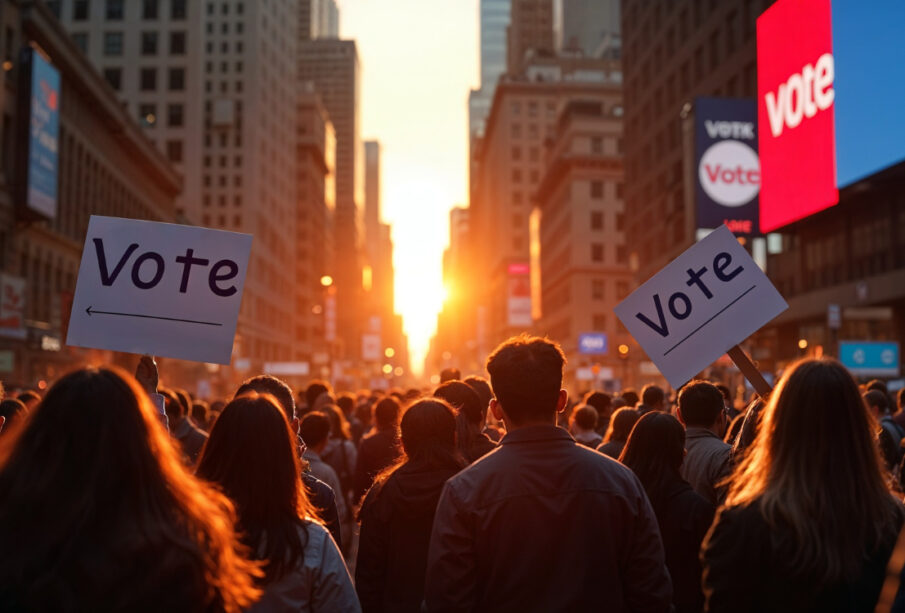
Political campaigns are often viewed through the lens of speeches, debates, and public rallies.
However, behind every successful campaign lies a complex economic system that fuels the political machinery. From fundraising and advertising to staffing and logistics, political campaigns operate much like large-scale businesses. Understanding the economics behind these campaigns reveals how money shapes political competition, voter outreach, and ultimately, democratic outcomes.
Campaigns as Financial Operations
At their core, political campaigns function as financial operations. Candidates must raise substantial amounts of money to promote their platforms, reach voters, and compete effectively with opponents. These funds are used for a variety of expenses, including campaign advertisements, staff salaries, travel costs, digital marketing, polling, and event organization.
Modern campaigns often resemble startup organizations. They develop budgets, allocate resources, track expenditures, and adjust strategies based on financial performance. The ability to manage funds efficiently can make the difference between a successful campaign and one that fails to gain momentum.
Sources of Campaign Funding
Political campaigns receive funding from several sources. Individual donations are one of the most common. Citizens contribute money to support candidates they believe represent their interests or values. These donations can range from small grassroots contributions to large sums from wealthy supporters.
Another major source of funding comes from political organizations, interest groups, and fundraising events. Campaign teams often organize dinners, rallies, and online campaigns to encourage supporters to contribute financially. In some countries, governments also provide limited public funding to support political candidates, aiming to reduce the influence of private money in elections.
The Role of Advertising and Media
One of the largest expenses in political campaigns is advertising. Campaigns invest heavily in television, radio, digital platforms, and social media to communicate their messages to voters. Advertising allows candidates to build name recognition, explain their policies, and persuade undecided voters.
With the rise of digital technology, campaigns now allocate significant portions of their budgets to online marketing. Social media platforms allow political teams to target specific demographics, making campaigns more data-driven and efficient. However, digital campaigns also require investments in analytics, content production, and digital strategists.
Campaign Spending and Economic Impact
Political campaigns do not only influence politics, they also have broader economic effects. Elections generate economic activity by creating temporary jobs and stimulating spending in sectors such as advertising, event management, transportation, and media production.
Local businesses often benefit from campaign events, rallies, and political tours. Hotels, printing companies, transportation services, and media outlets frequently experience increased demand during election seasons. In this way, political campaigns contribute to short-term economic growth in certain industries.
Financial Competition and Political Influence
Money in politics can create a competitive advantage for candidates with greater financial resources. Campaigns with larger budgets can run more advertisements, hire experienced staff, and expand outreach efforts. This financial disparity can influence voter awareness and public perception.
Critics argue that heavy reliance on campaign funding may give wealthy donors and powerful organizations disproportionate influence over political decisions. As a result, many countries implement campaign finance laws to regulate donations, limit spending, and increase transparency in political funding.
Transparency and Regulation
To maintain fair political competition, governments often introduce regulations that control how campaigns raise and spend money. These regulations may include donation limits, spending caps, and mandatory disclosure of financial records.
Transparency helps voters understand who is funding political campaigns and whether certain interests might influence a candidate’s policy decisions. Independent oversight bodies are often tasked with monitoring campaign finances and ensuring compliance with electoral laws.
The Future of Campaign Economics
The economics of political campaigns continues to evolve as technology reshapes how candidates communicate with voters. Digital platforms, crowdfunding, and data-driven targeting have transformed traditional campaign strategies.
In the future, political campaigns may rely even more heavily on digital fundraising, artificial intelligence, and advanced analytics. While these innovations may increase efficiency, they also raise new questions about fairness, privacy, and the role of money in democratic processes.
Conclusion
Political campaigns are not only political events, they are complex economic enterprises. From fundraising and advertising to regulatory oversight, financial considerations shape nearly every aspect of modern elections. By understanding the economics behind political campaigns, voters can gain deeper insight into how political power is organized, financed, and contested in democratic societies.