
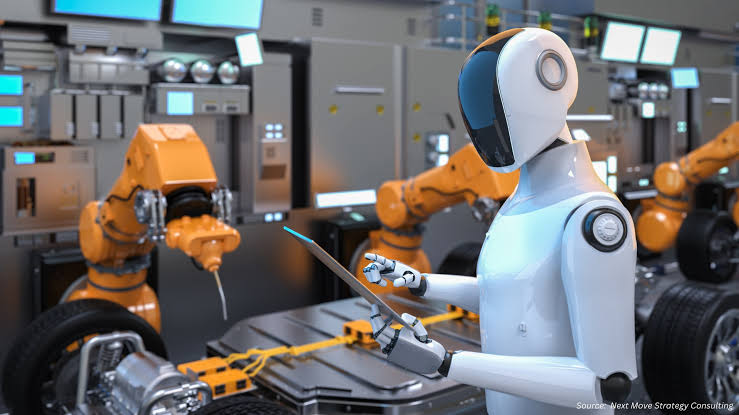
Artificial intelligence is no longer confined to screens and software. A new frontier is emerging: AI humanoids, machines designed with human-like form, movement and interaction capabilities.
Once the realm of science fiction, these systems are now entering healthcare, hospitality, manufacturing and customer service.
The question is no longer whether humanoid AI will become part of society, but how it will redefine the relationship between humans and technology.
What Are AI Humanoids
AI humanoids are robotic systems equipped with artificial intelligence, computer vision, natural language processing and advanced motor control. Their defining feature is not appearance alone, but their ability to engage in human-like communication, understand context and perform physical tasks in real-world environments.
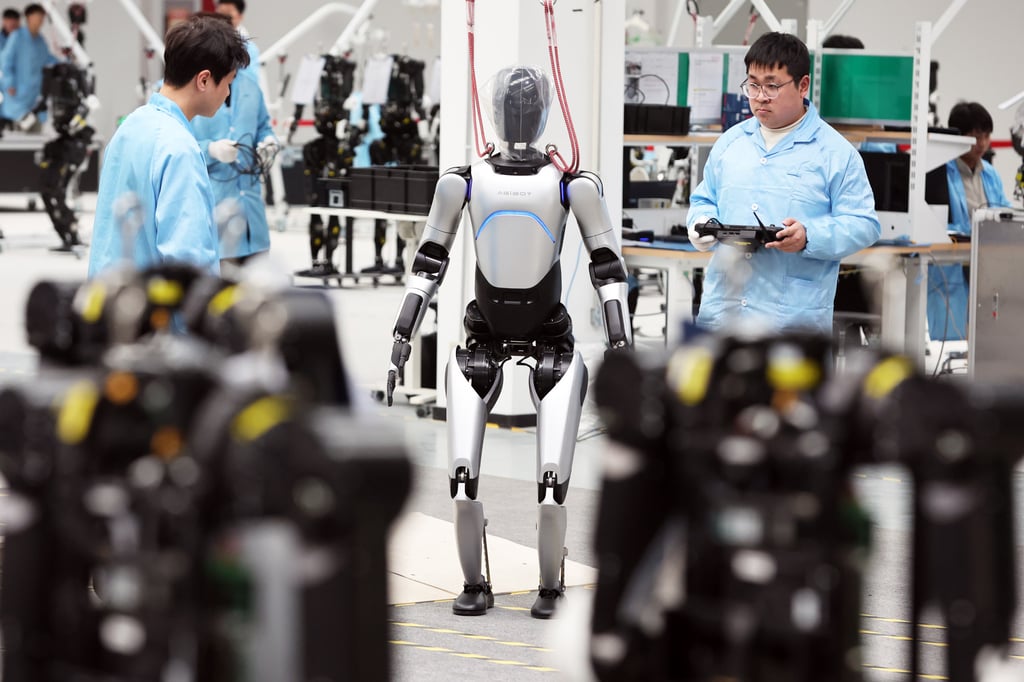
Unlike traditional robots that follow fixed instructions, humanoids adapt, learn from interactions and operate across diverse settings.
Where AI Humanoids Are Already Being Deployed
Healthcare and Elder Care
Humanoid assistants support patient monitoring, mobility assistance and emotional companionship. In ageing populations, they offer continuity of care without replacing human clinicians.
Customer Service and Hospitality
From hotel reception to retail environments, humanoids provide multilingual support, personalised recommendations and real-time information, reducing wait times and operational costs.
Manufacturing and Logistics
In factories and warehouses, humanoids handle repetitive or hazardous tasks while collaborating with human workers in shared spaces.
Education and Training
Humanoid tutors and facilitators assist with language learning, technical demonstrations and skills training, offering interactive and adaptive instruction.
The Social and Ethical Dimensions
The introduction of humanoid AI raises critical questions.
Human Connection
While these systems can simulate empathy and responsiveness, they do not experience emotion. Organisations must ensure that human relationships are not displaced in contexts where genuine connection is essential.
Employment and Skills
Humanoids will change workforce dynamics. The focus will shift from manual execution to supervision, design, maintenance and ethical governance.
Identity and Trust
As machines become more human-like, transparency becomes vital. Users must clearly understand when they are interacting with AI, and how data from those interactions is stored and used.
Why Humanoid AI Is Gaining Momentum Now
Advances in machine learning, sensor technology and energy efficiency have converged, making humanoid systems more practical, affordable and reliable. At the same time, global labour shortages and rising service demands are driving adoption.
Governments and corporations are increasingly viewing humanoid AI not as novelty, but as infrastructure.
AI humanoids will not replace humanity. Instead, they will redefine how tasks are distributed between people and machines. When deployed responsibly, they have the potential to enhance safety, accessibility and efficiency across sectors.
The challenge for society is not technical capability, but ethical stewardship. How we integrate these systems will determine whether they become empowering collaborators or impersonal substitutes for human engagement.



Leave a reply




Africa’s Source for Breaking News | Entertainments | Health | Finance | Sports | Lifestyle and Business News.


