
The Role of Policy in Economic Growth: African and Nigerian Perspectives
Economic growth does not occur by accident. While entrepreneurship, natural resources, and innovation contribute to development, government policy plays one of the most decisive roles in shaping how economies expand. Across Africa, and particularly in Nigeria, policy decisions influence job creation, investment flows, business survival, and overall living standards.
When policies are stable, inclusive, and forward-looking, economies grow stronger. When policies are inconsistent or poorly implemented, growth slows despite abundant potential.
Understanding Economic Growth in the African Context
Economic growth refers to an increase in the production of goods and services within a country, commonly measured by Gross Domestic Product (GDP). For developing economies, growth is especially important because it supports poverty reduction, infrastructure development, and employment opportunities for rapidly growing populations.
Many African countries possess vast natural resources and young workforces, yet growth outcomes vary widely. The difference often lies in policy effectiveness rather than resource availability.
Fiscal Policy and Infrastructure Development
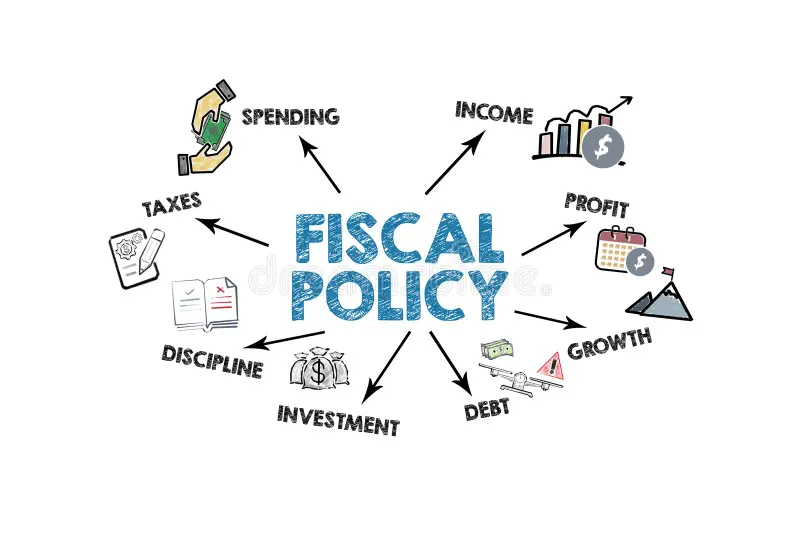
Fiscal policy, government spending and taxation, has a direct impact on economic expansion. In Nigeria, government investments in major infrastructure projects such as highways, rail modernization, and port improvements aim to reduce transportation costs and improve trade efficiency. For example, improvements in transport corridors connecting agricultural regions to urban markets help farmers reduce post-harvest losses and increase income.
Similarly, countries like Rwanda have used targeted public spending to improve roads and digital infrastructure, making it easier for businesses to operate and attracting foreign investors.
Tax policy also matters. Nigeria’s efforts to expand its tax base through digital tax systems and improved revenue collection aim to reduce reliance on oil revenues while funding public services. However, small businesses often struggle when tax systems are complex or enforcement appears inconsistent, highlighting the need for balanced fiscal policy.
Monetary Policy and Inflation Control
Monetary policy, managed by central banks, plays a crucial role in stabilizing economies. Nigeria has faced recurring inflation challenges, affecting purchasing power and business planning. When inflation rises sharply, households spend more on essentials, leaving less for savings or investment. Central bank policies such as interest rate adjustments are designed to control inflation and stabilize the currency.
Across Africa, stable monetary environments tend to attract investment. Ghana and Kenya, for instance, have periodically implemented tighter monetary measures to manage inflation and maintain investor confidence. Stable currency and predictable interest rates encourage long-term business planning.
Regulatory Policy and Ease of Doing Business
Regulation determines how easily entrepreneurs can start and grow businesses. In many African economies, bureaucratic delays and unclear regulations have historically slowed business development.
Nigeria has introduced reforms through agencies focused on improving the ease of doing business, including simplifying company registration processes and promoting online documentation systems. These reforms have reduced the time required to start a business compared to previous years.
In Kenya, mobile money regulation enabled the rapid expansion of digital financial services, allowing millions of people to access banking through mobile phones. This demonstrates how supportive regulation can unlock innovation and economic inclusion.
Education Policy and Human Capital Development
Economic growth depends heavily on human capital, the skills and productivity of the workforce. Nigeria’s growing youth population presents both an opportunity and a challenge. Policies supporting technical education, entrepreneurship training, and digital skills development are increasingly important as economies shift toward technology-driven industries.
Countries like South Africa and Egypt have invested in vocational training programs to align workforce skills with industry needs. When education policies match labor market demands, unemployment declines and productivity rises.
Trade and Industrial Policies in Africa
Trade policy shapes how countries participate in regional and global markets. The African Continental Free Trade Area (AfCFTA) represents one of the most significant policy initiatives aimed at boosting intra-African trade. By reducing tariffs and trade barriers, African businesses can access larger markets beyond national borders.
For Nigeria, diversification policies encouraging agriculture, manufacturing, and technology aim to reduce dependence on oil exports. Government incentives supporting local rice production, for example, have increased domestic agricultural activity and reduced import reliance.
Industrial policies supporting local manufacturing can also create jobs and strengthen economic resilience during global economic shocks.
Governance, Transparency, and Investor Confidence
Strong institutions are essential for economic growth. Investors are more likely to commit capital where policies are transparent and corruption risks are minimized. Anti-corruption reforms, digital government payment systems, and improved procurement transparency across several African countries have helped reduce revenue leakages and improve public trust.
Botswana is often cited as an African example where consistent governance policies and strong institutions helped transform natural resource wealth into sustained economic growth.
Policy Consistency and Long-Term Economic Planning
One major challenge in many developing economies is policy inconsistency. Sudden regulatory changes, currency controls, or shifting trade rules can discourage investment because businesses rely on predictability.
In Nigeria, sectors such as energy and foreign exchange markets have shown how policy uncertainty can affect investor confidence. Long-term strategies, particularly in power generation, renewable energy, and digital infrastructure, require stable policy direction to succeed.
Countries that maintain consistent economic visions over decades tend to achieve stronger and more sustainable growth outcomes.
Challenges Facing Policymakers in Africa
African policymakers must balance multiple priorities at once:
-
Managing inflation while promoting growth
-
Creating jobs for young populations
-
Reducing poverty and inequality
-
Supporting industrialization
-
Adapting to global economic shocks and climate change
Limited fiscal resources and dependence on commodity exports add further complexity, making policy design especially challenging.
Conclusion
Policy is one of the strongest drivers of economic growth in Africa and Nigeria. Fiscal investments, monetary stability, effective regulation, education reforms, and transparent governance collectively shape economic outcomes.
Africa’s economic future depends not only on natural resources or population growth but on smart, consistent, and inclusive policymaking. When policies encourage innovation, support businesses, and invest in human capital, they unlock sustainable growth and improve the quality of life for millions.


Leave a reply




Africa’s Source for Breaking News | Entertainments | Health | Finance | Sports | Lifestyle and Business News.


