
The Science Behind Cooking
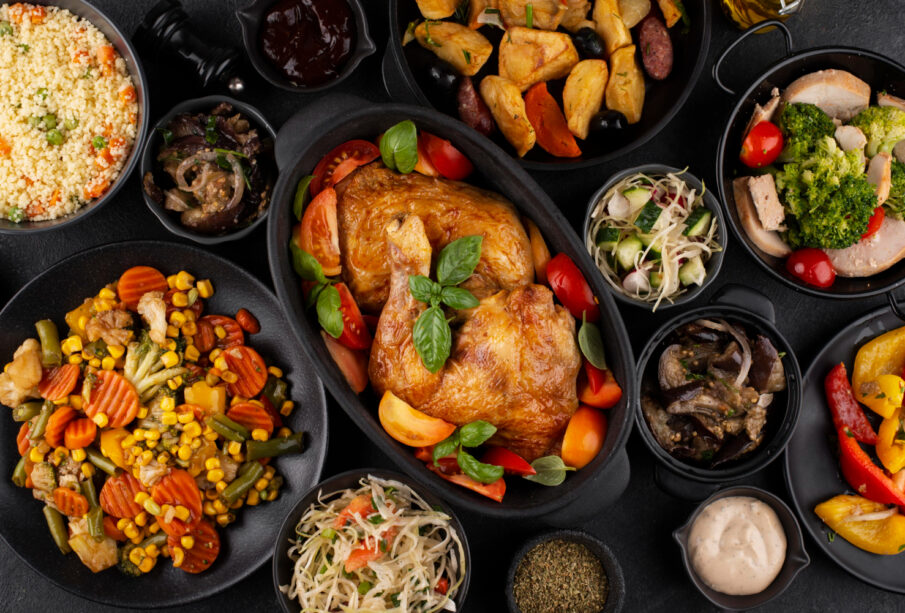
Every time you cook a meal, you’re stepping into a laboratory, without the lab coat. From the sizzle of onions in hot oil to the aroma of bread baking in the oven, cooking is a series of scientific reactions unfolding right before our eyes.
Long before modern science put names to these processes, humans were already experimenting with heat, time, and ingredients to transform raw food into something nourishing and delicious.
Cooking, at its core, is applied science. Understanding the “why” behind everyday kitchen moments not only makes us better cooks but also deepens our appreciation for food itself.
Heat: The Invisible Force That Changes Everything
Heat is the engine of cooking. When food is exposed to heat, its molecules begin to move faster, breaking old bonds and forming new ones.
For example, when you boil water, heat energy causes water molecules to move so vigorously that they escape into the air as steam. When you cook food in that boiling water, the heat travels inward, softening fibers, breaking down starches, and killing harmful microorganisms.
Different cooking methods; boiling, frying, roasting, steaming, use heat in different ways, which is why the same food can taste completely different depending on how it’s cooked.
The Magic of the Maillard Reaction
That golden-brown crust on grilled meat, toasted bread, or roasted plantain isn’t just about appearance, it’s chemistry at work.
Known as the Maillard reaction, this process occurs when heat causes amino acids (from proteins) and sugars to react. The result is hundreds of new flavor and aroma compounds that make food taste rich, savory, and complex.
This is why boiled meat tastes very different from grilled meat. Browning adds depth. It’s also why chefs emphasize searing before slow cooking, to lock in flavor through chemistry, not magic.
Proteins: Why Eggs Harden and Meat Firms Up
Proteins are long chains of amino acids folded into complex shapes. When heat is applied, these chains denature, they unfold and reconnect in new ways.
When you fry an egg, the clear egg white turns solid and white because the proteins have reorganized. The same process happens when fish becomes flaky or when meat firms up as it cooks.
Cook too long, however, and proteins tighten excessively, squeezing out moisture. This is why overcooked meat becomes tough, a scientific reminder that timing matters.
Starches and Carbohydrates: Softening, Thickening, Transforming
Rice swelling in hot water, yam becoming soft when boiled, or soup thickening as it simmers, these are all starch-driven processes.
Starches absorb water and swell when heated, a process called gelatinization. This is why raw flour tastes chalky but becomes smooth and thick when cooked properly.
Caramelization is another transformation involving sugars. When sugar is heated, it breaks down and reforms into compounds that give food a rich, slightly bitter sweetness, think caramel, roasted vegetables, or fried onions.
Fats: Flavor Carriers and Texture Builders
Fats do more than prevent food from sticking to the pan. They carry flavors, improve texture, and distribute heat evenly.
Oil allows food to cook at higher temperatures than water, making frying possible. Butter adds richness because it contains milk solids that brown and release flavor compounds.
Even the type of fat used; vegetable oil, palm oil, butter, or olive oil, changes how food tastes, behaves, and smells during cooking.
Acids, Bases, and Balance
A squeeze of lemon on fish, vinegar in stew, or tomatoes in sauce isn’t just about taste, it’s chemistry.
Acids can:
-
Brighten flavors
-
Tenderize meat
-
Slow down browning in fruits
-
Balance richness and saltiness
That’s why many traditional recipes instinctively include something acidic. Long before chemistry textbooks, cooks understood balance through experience.
Water: The Unsung Hero of Cooking
Water plays multiple roles in cooking, it hydrates, softens, dissolves, and transfers heat. Steaming vegetables preserves nutrients better than boiling because fewer vitamins leach into the water. Simmering allows flavors to slowly mix and deepen. Even the moisture inside food determines whether it stays juicy or dries out.
Cooking, in many ways, is about managing water as much as managing heat.
Cooking Is Science, But It’s Also Art
Science explains what happens in the kitchen, but creativity decides how we use it. Cultural traditions, intuition, and personal taste turn scientific reactions into comfort food, celebration meals, and shared experiences.
Understanding the science behind cooking doesn’t remove the joy, it enhances it. When you know why bread rises, why soup thickens, or why frying creates crunch, you cook with confidence rather than guesswork.
Final Thoughts
The next time you cook, pause and listen. Hear the sizzle, smell the aroma, watch the color change. You’re witnessing chemistry, physics, and biology working together in real time.
Cooking is not just about feeding the body, it’s about engaging with science in its most delicious form.



Leave a reply







Africa’s Source for Breaking News | Entertainments | Health | Finance | Sports | Lifestyle and Business News.


