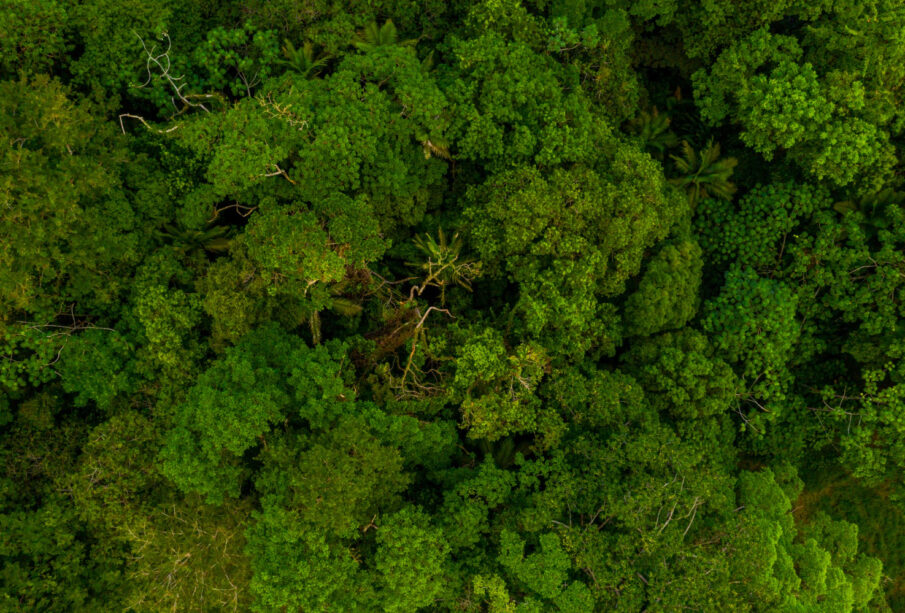
Biodiversity, the variety of life on Earth, includes every living organism, from microscopic bacteria to towering trees and complex animal species.
It encompasses ecosystems, genetic diversity, and the intricate relationships that allow nature to function as a balanced system. Today, biodiversity matters more than ever because human activity, climate change, and rapid development are placing unprecedented pressure on the natural world. Protecting biodiversity is no longer just an environmental concern; it is essential for human survival, economic stability, and global health.
Understanding Biodiversity
Biodiversity exists at three main levels:
-
Genetic diversity – Differences within species that help populations adapt to changing environments.
-
Species diversity – The variety of plants, animals, fungi, and microorganisms.
-
Ecosystem diversity – Different habitats such as forests, wetlands, oceans, and grasslands working together as interconnected systems.
Each level supports the others. When one element weakens, the entire ecological balance can be disrupted.
Biodiversity Supports Human Survival
Many people think biodiversity mainly benefits wildlife, but humans rely on it every day. Healthy ecosystems provide essential services known as ecosystem services, including:
-
Clean air and water
-
Pollination of crops
-
Soil fertility
-
Climate regulation
-
Natural disease control
For example, bees and other pollinators are responsible for a large portion of global food production. Without them, food systems would struggle, leading to higher prices and food shortages.
Food Security and Agriculture
Biodiversity strengthens agriculture by improving resilience. Farms that grow diverse crops are better able to withstand pests, diseases, and extreme weather. Traditional crop varieties often contain genetic traits that help resist drought or flooding, qualities increasingly important as climate patterns shift.
In many African communities, diverse farming systems that combine crops, trees, and livestock help families maintain stable food supplies even during difficult seasons. Losing biodiversity reduces these natural safety nets.
Climate Change and Natural Protection
Nature plays a powerful role in combating climate change. Forests, wetlands, and oceans absorb large amounts of carbon dioxide, helping regulate global temperatures. Mangroves and coastal ecosystems protect communities from storms and flooding, while forests reduce heat and maintain rainfall patterns.
When ecosystems are destroyed through deforestation, pollution, or overexploitation, their ability to protect the planet weakens. This creates a cycle where environmental damage accelerates climate change, which then causes further biodiversity loss.
Economic and Medical Value
Biodiversity also drives economies and innovation. Many industries depend directly on natural resources, including agriculture, fisheries, tourism, and pharmaceuticals.
A significant percentage of modern medicines originate from plants, fungi, and microorganisms found in nature. Preserving biodiversity increases the chances of discovering future treatments for diseases. When species disappear, potential medical breakthroughs may vanish with them.
The Rising Threats to Biodiversity
Today, biodiversity faces several major threats:
-
Habitat destruction from urban expansion and agriculture
-
Climate change altering ecosystems faster than species can adapt
-
Pollution, including plastic waste and chemical runoff
-
Overfishing and overhunting
-
Invasive species disrupting natural ecosystems
In many regions, rapid population growth and unsustainable resource use intensify these pressures.
Why Biodiversity Matters Now More Than Ever
The world is experiencing biodiversity loss at an unprecedented rate. Scientists warn that we are entering a period sometimes described as a “sixth mass extinction,” largely driven by human activity. Unlike past natural extinctions, this one is preventable.
The stakes are higher today because global systems are deeply interconnected. A disruption in one ecosystem can affect food supply chains, economies, and even public health worldwide. Recent global crises have shown how environmental imbalance can increase the risk of disease outbreaks and resource instability.
What Individuals and Communities Can Do
Protecting biodiversity does not depend only on governments or scientists. Everyday actions can make a meaningful difference:
-
Support sustainable farming and local food systems
-
Reduce waste and plastic consumption
-
Plant native trees and protect green spaces
-
Avoid products linked to deforestation or wildlife exploitation
-
Promote environmental education and conservation awareness
Community-led conservation efforts, especially in developing regions, have proven highly effective when local people benefit directly from protecting natural resources.
A Shared Responsibility for the Future
Biodiversity is the foundation of life on Earth. It sustains ecosystems, supports economies, and safeguards human well-being. As environmental challenges grow more complex, preserving biodiversity becomes not just an ecological goal but a survival strategy for humanity.
The choices made today, by individuals, communities, businesses, and governments, will determine whether future generations inherit a thriving planet or a fragile one. Protecting biodiversity is ultimately about protecting ourselves, ensuring resilience, and maintaining the delicate balance that makes life possible.