
How to Buy Foodstuff in Bulk With Your Neighbours
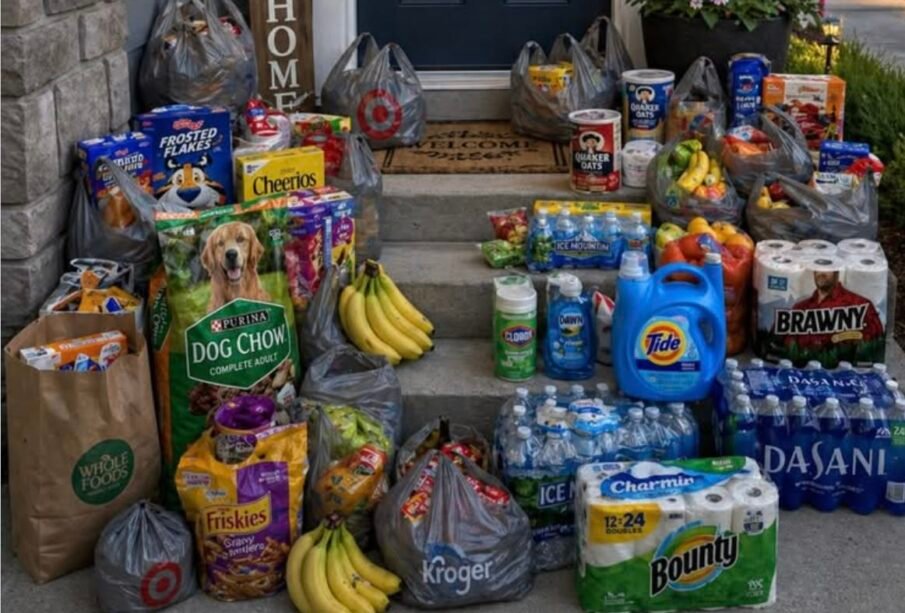
Buying Foodstuff in Bulk With Your Neighbours
Buying food in bulk can help households reduce shopping trips, access wholesale prices and plan meals more efficiently.
However, not every family has enough money, storage space or demand to purchase a full bag of rice, a carton of oil or a large quantity of beans alone.
One practical alternative is to organise a group purchase with neighbours.
Instead of buying everything individually, several households agree on the items they need, contribute money and purchase selected goods together. They then divide the items according to the quantities each household has paid for.
This approach can work particularly well in Nigerian neighbourhoods where families regularly buy staples such as rice, beans, garri, semolina, vegetable oil, onions and other food ingredients.
However, shared buying needs organisation. Without clear agreements, one person may contribute late, another may collect more than their share, or disagreements may arise over prices and quality.
Here is how to organise a fair and practical bulk food purchase with your neighbours.
1. Start With People You Trust
The first step is finding neighbours who are interested in buying food together. You do not need a large group. Three to six households may be enough to test the arrangement.
Start with people you already know or have interacted with regularly. These could be neighbours in your compound, residents on your street, friends living nearby or members of a trusted community group.
Explain the idea clearly. Tell them that the goal is to combine purchasing power, compare prices and divide agreed quantities.
Avoid assuming that everyone has the same food preferences or budget. Some households may want rice and beans, while others may prefer garri, palm oil or cooking oil.
A good group respects those differences.
2. Agree on What Everyone Wants to Buy
Before collecting money, create a list of items that members genuinely need.
Common bulk-buying options include:
- Rice.
- Beans.
- Garri.
- Semolina and other flour products.
- Vegetable oil.
- Palm oil.
- Onions.
- Dry pepper.
- Crayfish.
- Dried fish.
- Tomato paste.
- Spaghetti.
- Packaged drinks and household staples.
Do not buy an item simply because the wholesaler offers a discount. If group members do not use it regularly, the purchase may create waste.
Separate items into two categories.
Shared bulk items: Products that everyone agrees to buy together, such as a bag of rice or a carton of oil.
Individual items: Products that members purchase separately because their needs differ.
This keeps the arrangement focused and prevents unnecessary spending.
3. Compare Prices Before Choosing a Supplier
Bulk buying does not automatically guarantee savings. Some wholesalers may offer prices that are only slightly lower than retail prices. Others may charge extra for loading, transport or packaging.
Compare at least two or three suppliers before making a decision.
Check:
- Price per bag, carton, keg or unit.
- Product brand and quality.
- Weight or quantity.
- Packaging condition.
- Expiry or best-before dates, where applicable.
- Delivery or transport charges.
- Return or replacement arrangements for damaged goods.
For example, do not compare a 25kg bag of rice with a 50kg bag and assume the cheaper total price offers better value. Calculate the cost per kilogram.
The same applies to cooking oil, beans and other products sold in different sizes.
Ask suppliers to confirm their prices in writing where possible. Prices can change, so agree on the final amount before collecting contributions.
4. Set a Clear Contribution System
Money is one of the most sensitive parts of group buying. Establish the contribution system before anyone transfers funds.
Create a simple table showing the items, total quantities, prices and each household’s share.
For example, imagine four households agree to buy one 50kg bag of rice for ₦100,000. If they divide it equally, each household pays ₦25,000 and receives 12.5kg.
The actual price in this example is illustrative, not a current market quotation.
If members want different quantities, calculate each contribution according to the amount they will receive.
You should also agree on:
- Who will collect contributions.
- The payment deadline.
- Whether transport costs will be shared equally or by quantity.
- What happens if someone pays late.
- How refunds will be handled if the purchase fails.
Keep receipts and payment records. A shared spreadsheet or a simple WhatsApp summary can help everyone see what they have paid.
5. Appoint One or Two Coordinators
A bulk-buying group needs someone to organise the process. However, one person should not carry every responsibility indefinitely.
Choose a coordinator who can communicate clearly, compare suppliers and keep records. If the group is large, appoint another person to verify payments and quantities.
Their responsibilities may include:
- Collecting members’ orders.
- Obtaining supplier quotations.
- Confirming the final price.
- Recording payments.
- Arranging transport.
- Supervising the division of goods.
- Sharing receipts and final calculations.
Rotate the role for future purchases if everyone agrees. This helps build trust and prevents one person from becoming permanently responsible for the group’s money.
6. Pay Attention to Food Quality
A low price is not a good deal if the food is damaged, contaminated or close to spoiling.
Inspect products before accepting them. Check rice and beans for insects, stones, unusual smells and signs of moisture. Examine oil containers for leaks or broken seals. Check packaged foods for damage and relevant date markings.
For fresh produce, assess quality before purchase. Tomatoes, pepper, onions and vegetables may not remain suitable for long periods if the group cannot store them properly.
When buying from a wholesaler, ask whether you can inspect the goods before payment or collection.
Avoid accepting damaged packages simply because the group has already contributed money. Agree on a procedure for handling poor-quality or incorrect items before the purchase.
7. Plan How to Divide the Food Fairly
The division stage is where a well-organised group can prevent many disagreements.
Use a weighing scale for products sold by weight. For oil and other liquids, use clean, suitable measuring containers. For packaged goods, divide by the number of units each member has purchased.
Do not estimate quantities by eye when members have paid for different amounts.
A simple distribution record might look like this:
| Household | Item | Quantity | Amount paid |
|---|---|---|---|
| Household A | Rice | 10kg | Based on agreed unit price |
| Household B | Rice | 15kg | Based on agreed unit price |
| Household C | Rice | 12.5kg | Based on agreed unit price |
| Household D | Rice | 12.5kg | Based on agreed unit price |
The quantities in the example add up to 50kg. The actual amount paid should reflect the agreed price and any shared expenses.
Let members verify their portions before leaving. If possible, have two people supervise the weighing and distribution.
8. Arrange Safe Transport and Storage
Transport can reduce the savings from a bulk purchase if the group does not plan properly. Before buying, estimate the cost of moving the goods from the supplier to the neighbourhood. Consider the quantity, distance, vehicle size and loading requirements.
For large purchases, one suitable vehicle may be cheaper than several households making separate trips. However, make sure the vehicle can carry the goods safely.
Once the food arrives, divide and store it promptly.
For dry goods:
- Use clean, dry, food-safe containers.
- Keep bags away from damp floors and walls.
- Protect food from insects and rodents.
- Avoid storing food beside chemicals or cleaning products.
- Label containers with the product and purchase date.
For fresh and perishable food, arrange suitable refrigeration or distribute it quickly. Do not leave meat, fish or other temperature-sensitive foods in a hot vehicle or outdoors for extended periods.
The Food and Agriculture Organization provides information on food loss and waste, including the importance of handling and storage throughout the food supply chain.
9. Keep the Group’s Communication Simple
A WhatsApp group can make coordination easier, but it should have clear rules.
Use it for product lists, supplier quotations, payment updates, delivery arrangements and distribution information.
Avoid flooding the group with unrelated messages. Important decisions should be written clearly so members can refer to them later.
For every purchase, share a final summary showing:
- Items ordered.
- Supplier and agreed prices.
- Total contributions received.
- Transport or other shared expenses.
- Quantities each household will receive.
- Collection date and location.
If a supplier changes a price, inform the group before paying. Do not make an unauthorised purchase and expect everyone to accept the new cost afterwards.
10. Agree on Rules Before the First Purchase
Even neighbours who get along well can disagree about money. Set simple rules before the first transaction.
For example:
- Only confirmed orders will be purchased.
- Members must pay by the agreed deadline.
- The coordinator must share receipts.
- No one can change another person’s quantity without permission.
- Any additional cost must be approved by the group.
- Members must collect their portions within the agreed period.
- Disputes should be discussed respectfully and resolved using the records.
Do not use pressure or embarrassment to force someone to participate. Bulk buying should remain voluntary.
If a member cannot afford the full contribution, they can skip that purchase and join the next one.
11. Start Small Before Making Larger Purchases
Your first group purchase should be simple. Choose one or two dry goods that everyone uses regularly, such as rice and beans.
This allows the group to test its payment system, supplier arrangements, transport costs and distribution process.
After the first purchase, review what worked and what needs improvement.
Ask:
- Did the group save money after all expenses?
- Was the supplier reliable?
- Were the quantities correct?
- Did everyone receive their share?
- Was communication clear?
- Would members buy together again?
If the arrangement works, you can gradually expand the list.
A Neighbourhood Can Save More When It Plans Together
Buying foodstuff with neighbours can make bulk purchasing more accessible, especially when households have limited storage space or cannot afford large quantities alone.
However, savings depend on good planning. Compare prices, agree on quantities, record payments, inspect food quality and divide everything transparently.
The goal is not simply to buy more food. It is to help participating households purchase what they need at a fair cost, with less waste and fewer unnecessary trips.
For families interested in organised shared purchasing, explore Easer Lifestyle Africa’s Bulk Food Sharing service.
Frequently Asked Questions
1. Is buying foodstuff in bulk with neighbours cheaper?
It can be cheaper when the group secures a genuine wholesale price and shares transport costs fairly. Always compare the final cost per kilogram or unit with ordinary retail prices before deciding.
2. How many neighbours do I need for a bulk food purchase?
You can start with two or three households. A small group is often easier to coordinate while you test the process.
3. How should we divide food bought in bulk?
Use a weighing scale or suitable measuring equipment. Divide products according to each household’s paid quantity, and record the distribution so everyone can verify their share.
4. Who should collect and manage the money?
Choose a trusted coordinator and keep clear records. For larger purchases, appoint a second person to verify payments, quotations and receipts. Agree on the process before collecting money.
5. Which food items are best for bulk buying?
Dry staples such as rice, beans, garri, pasta and some packaged foods are often suitable because they can be stored when kept dry and protected from pests. Buy fresh or perishable products only when the group can distribute and store them safely.




Leave a reply




Africa’s Source for Breaking News | Entertainments | Health | Finance | Sports | Lifestyle and Business News.


