
How to Start a Small Chops Business in Nigeria for Christmas
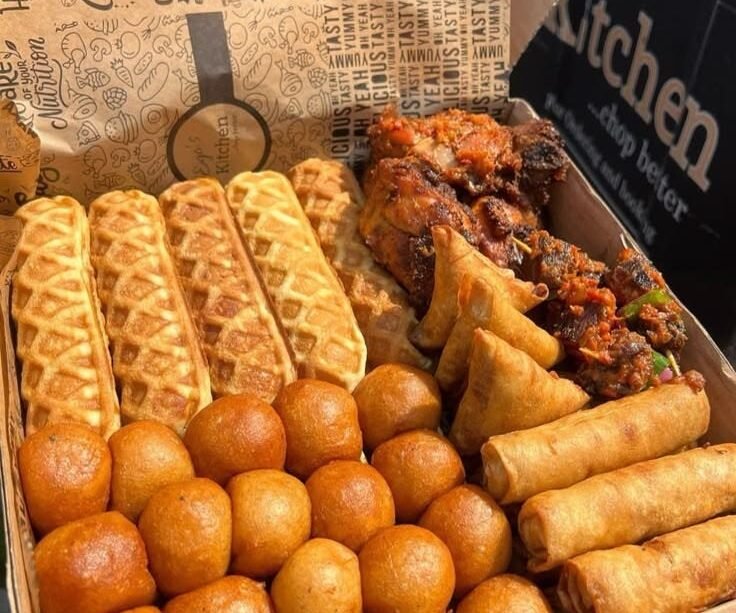
How to Start a Small Chops Business
The festive season creates opportunities for food entrepreneurs in Nigeria.
Weddings, office parties, birthdays, church celebrations, family gatherings and end-of-year events all create demand for convenient finger foods. Small chops are particularly popular because guests can enjoy them without sitting down for a full meal.
That makes the business attractive to people who enjoy cooking and want to earn extra income during Christmas and New Year celebrations. However, success requires more than making tasty samosas and puff-puff. You need a reliable recipe, accurate costing, hygienic preparation, attractive packaging and a clear way to receive orders.
You also need to avoid a common mistake: buying ingredients in large quantities before confirming demand. Start with a manageable menu, test your products and grow as orders increase.
Here is a practical guide to starting a small chops business for the festive season, even if you are working with a modest budget.
WHAT YOU NEED TO START
- A tested small-chops menu: puff-puff, samosas, spring rolls, mosa and buns, for example.
- A clean and suitable preparation space.
- Basic cooking equipment, utensils and storage containers.
- Reliable suppliers for flour, oil, vegetables, meat and packaging.
- A costing sheet that includes ingredients, gas, labour, packaging and delivery.
- Food-safe packaging and hygiene supplies.
- Good photographs, a WhatsApp Business profile and a simple order process.
- A clear payment, delivery and cancellation policy.
- Appropriate business, food-handling and local regulatory checks.
1. Choose the small chops you want to sell
Do not begin by offering every snack you know how to prepare. A large menu can increase ingredient costs, create waste and make it difficult to maintain consistent quality.
Start with three to five products that you can prepare confidently.
Popular options include:
| Small chops item | What customers like about it | What to plan for |
|---|---|---|
| Puff-puff | Familiar, affordable and easy to serve | Consistent batter, frying temperature and portion size |
| Samosas | Crisp pastry with savoury fillings | Folding technique, filling preparation and oil control |
| Spring rolls | Convenient finger food for parties | Fresh vegetables, neat wrapping and crisp texture |
| Mosa | A sweet snack with a distinctive flavour | Consistent ripeness, batter and portion size |
| Sausage rolls | Familiar party snack | Pastry quality, filling and safe storage |
| Mini meat pies | Filling and suitable for assorted platters | Pastry consistency, filling cost and baking time |
Consider offering two or three packages rather than selling every item separately. For instance, a basic platter could contain puff-puff, samosas and spring rolls, while a premium platter could add mosa and mini meat pies.
This makes ordering easier and helps customers understand what they are paying for.
Official guidance: NAFDAC’s Food Hygiene Regulations provide a framework for food preparation, handling, storage and sale in Nigeria. Build hygiene into your menu and production process from the beginning.
2. Research your customers and the festive market
Before spending money, identify the people most likely to buy your products.
Your potential customers may include:
- Families hosting Christmas gatherings.
- Offices organising end-of-year parties.
- Event planners and decorators.
- Churches and religious organisations.
- Schools and alumni groups.
- Birthday and wedding celebrants.
- Restaurants and bars that need additional snack suppliers.
Think about what each customer needs. An office administrator may want a fixed number of neatly packed snack portions delivered at a particular time. A family may prefer a mixed platter that can serve several guests. An event planner may need consistent quality and the ability to handle repeat orders.
Speak to potential buyers before launching. Ask what snacks they normally order, how many people they cater for, what portion sizes they prefer and what problems they have experienced with previous vendors.
You can also study competitors in your neighbourhood. Compare their menus, presentation, customer reviews and ordering processes. Do not copy their prices blindly; your costs and production capacity may be different.
Official guidance: The Small and Medium Enterprises Development Agency of Nigeria (SMEDAN) provides business development information and support for Nigerian entrepreneurs. Use its resources to strengthen your planning and understand small-business management.
3. Write a simple business plan
A festive small-chops business does not need a complicated document to get started. However, you should know how much you can spend, how many orders you can handle and what you want to earn.
Your plan should answer five questions:
- What products will you sell?
- Who will buy them?
- How much will it cost to make each portion?
- How many orders can you complete each day?
- How will customers find you and receive their orders?
Set a realistic production target. If you can comfortably prepare 100 portions a day, do not advertise that you can handle 500 without additional equipment and staff.
Also create a simple cash reserve for unexpected expenses. Ingredient prices may change, equipment may need repairs and a customer may request an order modification.
Official guidance: SMEDAN’s business support resources can help you explore entrepreneurship support and business development information.
4. Register your business and check the relevant requirements
A small business should build a professional foundation, even if it begins from home.
Consider registering your business name with the Corporate Affairs Commission (CAC). A registered name can help you establish a formal business identity, open relevant business accounts and present your business professionally to corporate customers.
The CAC provides online business registration services. Review the current requirements and fees directly through its official registration portal.
Food businesses must also pay attention to food safety and local requirements. Nigeria’s 2025 NAFDAC Food Hygiene Regulations apply to establishments involved in preparing, handling, storing, transporting and selling food.
The exact approvals you need can depend on your business model, premises, location and products. Contact your state or local environmental health authority to ask about premises inspection, food-handler requirements and applicable local permits.
Important distinction: Selling freshly prepared small chops for immediate consumption is not automatically the same regulatory activity as manufacturing and distributing a packaged food product. If you intend to produce packaged products for wider retail distribution, check NAFDAC’s product-registration requirements before selling. Its micro-scale enterprise guidance explains requirements for eligible packaged food products and identifies certain product categories that are excluded from the micro-scale route.
5. Set up a clean and organised production space
You do not need an expensive commercial kitchen to begin, but you do need a suitable and hygienic environment.
Keep raw ingredients away from finished snacks. Store flour, spices and packaging in clean, covered containers. Use separate chopping boards and utensils where necessary to reduce cross-contamination.
Your work area should have:
- Clean water and accessible handwashing facilities.
- A suitable sink and cleaning supplies.
- Clean work surfaces.
- Covered waste bins.
- Adequate ventilation and lighting.
- Food-grade storage containers.
- A way to keep ingredients and prepared food at safe temperatures.
Do not prepare food beside an exposed waste area, bathroom or other source of contamination. Keep pets away from food preparation and storage areas.
Official guidance: NAFDAC’s Food Hygiene Regulations 2025 cover suitable premises, hygienic operations, personnel, equipment and food storage.
6. Buy equipment and ingredients strategically
Your equipment should match your planned production volume. Buying an industrial fryer before you have regular customers can tie up money you need for ingredients and marketing.
A starter setup may include:
- Deep frying pots or a suitable fryer.
- Gas cooker and safe gas connections.
- Mixing bowls and measuring tools.
- Rolling pin and pastry cutters.
- Sieves, trays and food-safe containers.
- Tongs, slotted spoons and ladles.
- Kitchen scales.
- Cooling racks.
- Clean aprons, head coverings and other protective clothing.
- Food-grade packaging.
For ingredients, identify reliable suppliers for flour, cooking oil, vegetables, meat, spices, eggs and other items used in your recipes.
Compare prices from local markets and wholesalers, but do not sacrifice quality or food safety for a small discount. Check expiry dates, packaging condition and storage practices.
You can explore equipment ideas and related Nigerian food-business opportunities through Brand Envoy’s guide to profitable foodstuff businesses. Use it as a research starting point, then compare actual prices and specifications before purchasing.
7. Calculate your costs and set profitable prices
This is where many small food businesses make avoidable mistakes. They calculate the cost of flour, oil and filling but forget gas, packaging, transport, labour, spoilage and their own time.
Start by costing one batch.
For example, imagine a batch produces 100 sellable pieces:
| Cost item | Example cost |
|---|---|
| Flour, vegetables and fillings | ₦12,000 |
| Cooking oil and seasoning | ₦8,000 |
| Gas and other utilities | ₦3,000 |
| Packaging | ₦4,000 |
| Labour allowance | ₦5,000 |
| Transport and other overheads | ₦3,000 |
| Total batch cost | ₦35,000 |
The example gives a production cost of ₦350 per piece if the batch produces 100 saleable pieces. If you sell each piece for ₦500, the difference is ₦150 per piece before any additional costs not included in your calculation.
These figures are illustrations, not current market quotations. Replace them with the prices you actually pay.
For a mixed platter, calculate the cost of every item in the package. Then add packaging, labour, overheads and a reasonable profit margin.
Use this formula:
Selling price = Total cost per order + Desired profit
You can also calculate a target margin:
Selling price = Total cost ÷ (1 − Target profit margin)
For example, if an order costs ₦20,000 to produce and you want a 30% gross margin, the selling price would be approximately ₦28,571.
Remember that a margin is different from simply adding 30% to the cost. Also, account for discounts, delivery charges and payment fees.
Review your costs regularly during the festive season. If cooking oil or meat prices rise, update your prices rather than quietly losing money on every order.
8. Test your recipes and standardise portions
A customer who orders from you in November should receive the same quality in December. Consistency is one of the strongest ways to earn repeat business.
Prepare test batches and record the exact measurements. Note how much flour, water, seasoning and filling you use. Record cooking time, temperature and the number of pieces produced.
Standardise the size of each snack. If one customer receives a large samosa and another receives a noticeably smaller one for the same price, your business may lose trust.
Ask a few people to taste your samples and give honest feedback. Pay attention to flavour, texture, oiliness, filling quantity, packaging and how the food tastes after delivery.
Do not sell a recipe simply because friends say it is delicious. Test whether you can reproduce it consistently and profitably.
9. Create a simple ordering and payment system
Festive orders can become confusing when customers send requests through several phone numbers and social media accounts.
Use WhatsApp Business to create a professional profile with your business name, contact details, operating hours and menu. Add clear photographs and package descriptions.
Every order should record:
- Customer’s name and phone number.
- Items and quantities ordered.
- Delivery address or collection arrangement.
- Date and delivery time.
- Total price and payment status.
- Special instructions and allergy information.
Set a minimum notice period for large orders. Require a deposit where appropriate, and explain your cancellation and refund policy before accepting payment.
Never assume that a customer has paid because they send a screenshot. Confirm the funds in your account before marking the order as paid.
10. Promote your business before the festive rush
Do not wait until Christmas week to start advertising. Build awareness early enough for people to recognise your brand and place orders.
Start with good photographs of your actual products. Use natural light, clean backgrounds and neat packaging. Show the size of the platter so customers understand what they are buying.
Share your menu on WhatsApp Status, Instagram and Facebook. Ask satisfied customers to share their experience and tag your business.
You can also approach event planners, office administrators, schools and churches with a simple menu and price list. Offer sample boxes to potential corporate customers when the cost makes sense.
A useful festive promotion could be a family platter, an office party package or a mixed snack box for small gatherings. Make the offer clear and include the number of pieces or portions.
Do not advertise unlimited orders if your kitchen cannot handle them. A smaller number of well-executed orders can build a stronger reputation than a large number of late or inconsistent deliveries.
11. Organise production, delivery and customer service
Once orders increase, create a production schedule. Group similar tasks together: prepare fillings, make pastry, shape snacks, fry or bake, cool, pack and dispatch.
Assign responsibilities if you have helpers. One person can manage preparation while another handles packaging and order records. Avoid allowing everyone to handle food and money interchangeably without proper handwashing.
For delivery, use suitable food-grade packaging and arrange transport that protects the food from contamination and damage. Keep hot and cold items separate where necessary. Do not leave prepared snacks sitting at unsafe temperatures for long periods.
Give customers realistic delivery windows. If traffic or production delays occur, communicate early instead of waiting for the customer to call.
After delivery, ask whether the order arrived in good condition. Record complaints and correct genuine problems. Good customer service can turn a one-time festive buyer into a regular customer.
Official guidance: NAFDAC’s Food Hygiene Practices Guidelines provide further information on food handling, hygiene and safe food preparation.
12. Protect your reputation with food safety
Food safety is not an optional extra. A single incident involving contaminated food can damage customers’ health and destroy the trust you have worked to build.
Wash your hands properly before handling food and after touching raw ingredients, waste, money or mobile phones. Keep food covered. Use clean utensils and food-grade packaging. Store ingredients according to their requirements and avoid using spoiled or questionable products.
Do not allow anyone with symptoms of a foodborne illness to handle food. Make sure staff understand hygiene rules and know how to report problems.
If you sell products containing common allergens such as eggs, milk, wheat, peanuts or seafood, provide accurate information to customers. Avoid promising that food is allergen-free unless your preparation process can genuinely prevent cross-contact.
The Federal Ministry of Health and Social Welfare’s National Guideline on Food Handlers outlines responsibilities for food business owners and hygiene expectations for food handlers.
Turn festive orders into a business that lasts
The festive season can give your small-chops business a valuable starting point, but do not build everything around December alone. Keep customer contacts, record your best-selling products and ask buyers whether they would order for birthdays, meetings and other celebrations throughout the year.
Review your profit after the season. Identify which products sold well, which ones created waste and which customers placed repeat orders. Use those findings to improve your menu and production process.
A successful small-chops business is built on more than delicious snacks. It needs good costing, dependable preparation, safe handling, attractive presentation and consistent customer service. Start with a manageable menu, deliver what you promise and let the quality of your work create the next order.
Frequently asked questions
1. How much money do I need to start a small-chops business in Nigeria?
There is no fixed amount. Your start-up cost depends on your equipment, ingredients, kitchen arrangement, packaging and production target. Begin with a cost sheet and use equipment you already own where it is safe and suitable.
2. What small chops sell well during the festive season?
Puff-puff, samosas, spring rolls, mosa, sausage rolls and mini meat pies are popular options. Test demand in your target market before deciding which products to prioritise.
3. Do I need to register my small-chops business?
You should consider registering your business name with the CAC and check applicable local food-business and food-handler requirements. If you plan to manufacture and distribute packaged food products, confirm the relevant NAFDAC requirements.
4. How do I calculate the price of a small-chops platter?
Add the cost of ingredients, oil, gas, labour, packaging, overheads and delivery where applicable. Divide by the number of orders or portions produced, then include a profit margin that reflects your business costs.
5. How can I get customers for my small-chops business?
Use WhatsApp Business, Instagram and Facebook to share a clear menu and real product photographs. Approach offices, event planners, churches and families, and encourage satisfied customers to recommend your service.




Leave a reply





Africa’s Source for Breaking News | Entertainments | Health | Finance | Sports | Lifestyle and Business News.


