
Côte d’Ivoire’s Economy: What’s Working and What’s Not?
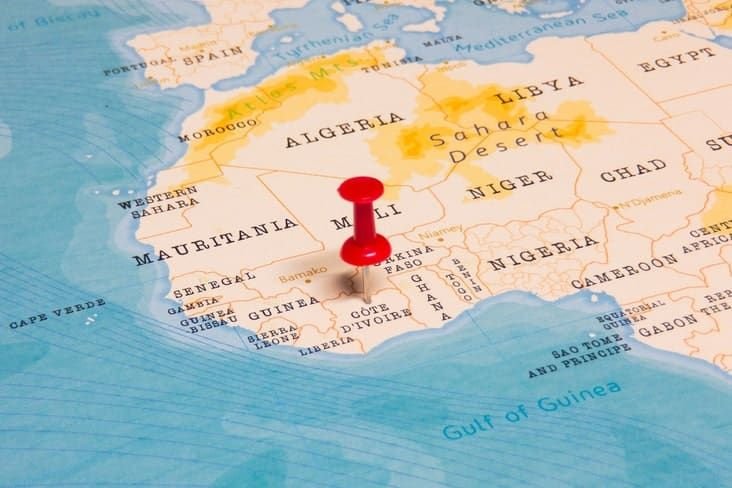
Côte d'Ivoire
Côte d’Ivoire is making progress in its effort to become one of West Africa’s strongest and most diversified economies.
Growth remains robust, infrastructure investment is expanding, and the government is working to attract private investment beyond traditional exports such as cocoa and cashew nuts. However, strong economic growth has not automatically translated into enough secure, well-paid jobs or equal opportunities for everyone.
The country is therefore facing an important question: can it turn impressive economic figures into better living standards for ordinary people?
Here is what is working, where the difficulties remain and what the next stage of its economic transformation could look like.
Côte d’Ivoire’s Economy at a Glance
Côte d’Ivoire, also known as Ivory Coast, is one of West Africa‘s major economic centres. Its economy is supported by agriculture, mining, energy, construction, manufacturing, trade and services.
Abidjan, the country’s commercial capital, plays a major role in regional finance, transport and business. The country is also a major producer of cocoa and cashew nuts, giving it an important position in global agricultural markets.
Recent economic performance has been encouraging.
| Economic indicator | Latest available position |
|---|---|
| GDP growth in 2025 | 6.5%, according to the IMF |
| Expected GDP growth in 2026 | Around 6%, according to the IMF |
| Inflation in 2025 | Near zero, at approximately 0.1% |
| Main export sectors | Cocoa, cashew, gold, oil and other products |
| Major economic centre | Abidjan |
| Development priority | Diversification, infrastructure and job creation |
Figures are based on the IMF’s June 2026 assessment. Forecasts are not guaranteed outcomes.
The numbers show an economy that has remained resilient despite international uncertainty. Yet growth alone does not explain whether households are becoming financially secure or whether young people can find decent work.
1. What’s Working: Strong Economic Growth
One of Côte d’Ivoire’s biggest achievements is its ability to maintain relatively strong economic growth.
The country recorded estimated GDP growth of 6.5% in 2025, supported by private consumption, investment, industry and services. Construction, hydrocarbons and mining have also contributed to economic activity.
This matters because sustained growth can create opportunities for businesses, encourage investment and increase government revenue.
The government has also worked with international financial institutions to improve public finances and strengthen economic management.
In June 2026, the IMF completed its sixth reviews under the country’s Extended Fund Facility and Extended Credit Facility arrangements, alongside the fifth review under its Resilience and Sustainability Facility arrangement.
Completing these reviews indicated that the country had met the programme requirements assessed by the IMF. It also strengthened confidence in its economic reform efforts.
However, growth must continue to reach more sectors and communities if it is to produce lasting improvements in living standards.
2. Moving Beyond Cocoa and Raw Agricultural Exports
Côte d’Ivoire is globally recognised for cocoa production. It is also an important producer of cashew nuts, coffee, rubber and other agricultural commodities.
The challenge is that exporting raw agricultural products can leave a country vulnerable to changing international prices.
When global cocoa prices fall, farmers and businesses connected to the sector can experience financial pressure. Poor weather, crop disease and changing demand can make the situation worse.
To reduce this vulnerability, Côte d’Ivoire is investing in local processing and industrial development.
Cashew processing is one example. Rather than exporting most of its harvest without adding substantial value locally, the country is developing its capacity to process cashew nuts before export.
This approach can create jobs, support local manufacturers and increase the value generated within the country.
The same principle applies to cocoa. More local processing could help Côte d’Ivoire capture a greater share of the value created along the chocolate supply chain.
However, industrialisation requires reliable electricity, transport infrastructure, affordable finance, skilled workers and access to international markets. Building factories alone will not solve these problems.
3. Infrastructure Investment Is Supporting Development
Infrastructure is another important part of Côte d’Ivoire’s economic strategy.
Roads, ports, electricity networks and transport systems affect how easily businesses move goods, reach customers and operate across the country.
Abidjan’s position as a commercial and logistics centre makes infrastructure particularly important. Better connections between cities, agricultural communities and export facilities can reduce transport costs and improve access to markets.
Investment in energy and extractive industries is also supporting economic activity.
The government has continued to prioritise infrastructure and private-sector participation through its national development plans.
These investments can have wider benefits. A farmer who can transport produce more easily may lose less stock. A manufacturer with a reliable electricity supply may operate more efficiently. A small business with better road access may reach more customers.
Nevertheless, infrastructure projects must be completed efficiently, maintained properly and made accessible beyond major urban centres.
4. The 2026–2030 National Development Plan
Côte d’Ivoire’s National Development Plan for 2026–2030 sets out an ambitious vision for the country’s next stage of growth.
The World Bank describes a plan valued at approximately US$206 billion, with targets that include annual growth of 7.2% and the creation of four million decent jobs.
Its priorities include:
- Expanding infrastructure and industrial capacity.
- Improving education and human capital.
- Attracting private investment.
- Strengthening agricultural value chains.
- Developing energy and extractive industries.
- Improving public services and living standards.
- Reducing poverty and regional inequality.
The plan is significant because it recognises that economic growth needs to be supported by investment in people, businesses and public institutions.
But ambitious targets are only the beginning. The real test will be whether projects receive funding, are completed on schedule and create opportunities that ordinary citizens can access.
5. What’s Not Working: Growth Has Not Solved Poverty
Despite its strong economic performance, Côte d’Ivoire still faces significant poverty and inequality challenges.
The World Bank has highlighted the gap between economic growth and the quality of employment available to many people.
A large informal economy means that many workers earn their living without stable contracts, predictable incomes or comprehensive social protection.
For example, a person selling food in a market, working as an independent driver or operating a small workshop may contribute to economic activity without having the financial security associated with formal employment.
Rural communities also face difficulties linked to infrastructure, access to finance, education and agricultural productivity.
This creates an important distinction: a country can record impressive GDP growth while many households continue to struggle with the cost of living.
For the government, the challenge is not simply to grow the economy but to make that growth more inclusive.
6. Cocoa Price Volatility Remains a Serious Risk
Cocoa has helped establish Côte d’Ivoire’s importance in international trade, but reliance on agricultural commodities also creates economic risks.
International cocoa prices can change sharply because of weather conditions, production levels, supply shortages and global demand.
In 2026, the IMF highlighted a significant decline in farmgate cocoa prices, putting pressure on household incomes and private consumption.
This is particularly important for farming communities that depend heavily on cocoa revenue.
When farmers earn less, the effects can spread beyond agriculture. Local traders, transport operators, food vendors and other businesses may also experience reduced spending from farming households.
The solution requires more than increasing production. Côte d’Ivoire needs stronger agricultural processing, better farmer support, improved productivity and a wider range of export industries.
Diversification will not eliminate commodity risk, but it can reduce the extent to which the entire economy depends on one or two products.
7. Public Spending and Debt Require Careful Management
Infrastructure, education, healthcare and industrial development require substantial public investment.
However, governments must balance these priorities against available revenue and debt obligations.
Côte d’Ivoire has made progress in reducing its budget deficit. The IMF’s June 2026 assessment projected a temporary widening to 3.8% of GDP in 2026, reflecting revenue pressures and the need to protect priority spending.
The authorities have committed to returning to the West African Economic and Monetary Union’s 3% deficit target by 2028.
This means the government must improve revenue collection, manage expenditure carefully and ensure that borrowing supports productive investment.
Debt is not automatically harmful. Borrowing can help finance roads, power systems, schools and other projects that support long-term development.
The concern is whether those investments generate enough economic and social value to justify their costs.
Transparent procurement, responsible project management and effective public financial oversight will be important.
What the Rest of Africa Can Learn
Côte d’Ivoire’s experience offers several lessons for other African economies.
First, economic diversification matters. Countries that depend heavily on a narrow range of exports are exposed to international price shocks. Developing local manufacturing and processing can help retain more value within the economy.
Second, infrastructure must support productivity. Roads, electricity, ports and digital connectivity are not simply construction projects. They are tools that help businesses operate, trade and create employment.
Third, growth must create decent jobs. Strong GDP figures mean little to households that cannot find stable work or afford essential services.
Fourth, public finances require discipline. Governments need to invest in development while maintaining sustainable borrowing and transparent spending.
Finally, private businesses need an environment where they can grow. Access to finance, reliable energy, clear regulations and skilled workers all influence whether local enterprises can expand.
These lessons are relevant to countries such as Nigeria, Ghana and Senegal, which are also working to strengthen local industries, attract investment and create employment.
Can Côte d’Ivoire Become a More Inclusive Economy?
Côte d’Ivoire has made considerable progress in building a resilient economy. Strong growth, infrastructure investment, agricultural processing and reforms to public finances provide a foundation for further development.
However, the country still has difficult work ahead. Poverty, informal employment, uneven access to opportunities, commodity dependence and pressure on public finances remain important concerns.
The next phase of its transformation will depend on whether economic growth becomes more visible in people’s everyday lives.
That means better-paying jobs, stronger local businesses, improved public services and more opportunities for rural communities.
Côte d’Ivoire has demonstrated that sustained economic growth is possible. Its next challenge is to ensure that more of its citizens benefit from it.
Frequently Asked Questions
1. What is Côte d’Ivoire’s main source of income?
Côte d’Ivoire has a diversified economy, but agriculture remains particularly important. Cocoa and cashew nuts are major export products, while mining, oil, construction, manufacturing and services also contribute significantly.
2. Is Côte d’Ivoire’s economy growing in 2026?
Yes. The IMF projected economic growth of approximately 6% in 2026, following estimated growth of 6.5% in 2025. The forecast remains subject to global economic conditions and domestic developments.
3. Why is Côte d’Ivoire trying to reduce its dependence on cocoa?
Heavy dependence on cocoa exposes farmers and the wider economy to international price changes, weather conditions and production challenges. Expanding local processing, manufacturing and other industries can help create more stable sources of income.
4. What are the biggest challenges facing Côte d’Ivoire?
Key challenges include poverty, informal employment, uneven development, limited access to finance, infrastructure gaps, commodity price volatility and the need to maintain sustainable public finances.
5. What is Côte d’Ivoire’s National Development Plan for 2026–2030?
It is the government’s development programme for the next five years. It aims to accelerate economic growth, attract investment, improve infrastructure, create jobs, develop industries and reduce poverty.