
Cocoa Value Addition in Africa: Why Madagascar Matters
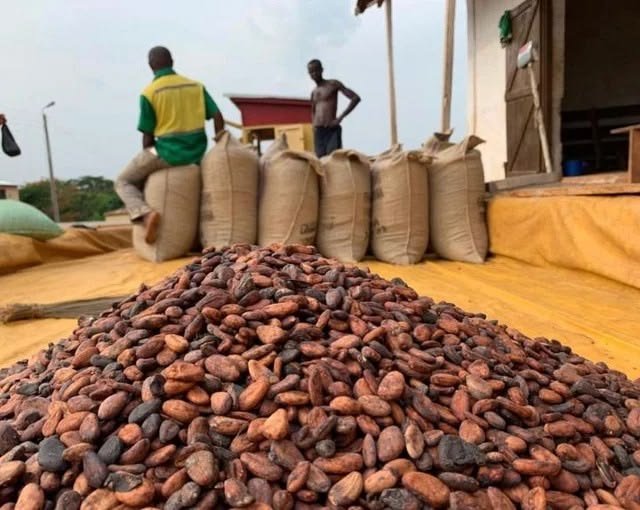
Cocoa Value Addition in Africa
Africa grows a significant share of the world’s cocoa, yet producing the beans does not guarantee that African countries capture the greatest economic value from the global chocolate industry.
Much of the opportunity lies in processing cocoa locally, turning raw beans into cocoa butter, powder, liquor, chocolate and other products before they leave the continent. Madagascar offers an interesting example: it produces relatively small volumes, but its distinctive fine-flavour cocoa gives it a place in the premium chocolate market.
Cocoa value addition is not simply about building chocolate factories. It involves developing the businesses, skills, infrastructure and supply chains that transform an agricultural commodity into higher-value products. Done well, this can create manufacturing opportunities, support farmers, develop local brands and expand exports.
For African countries that already grow cocoa, the question is no longer only how to produce more beans. It is also how to capture more value from every harvest.
What Cocoa Value Addition Actually Means
Cocoa value addition describes the activities that increase the commercial value of cocoa after farmers harvest the pods. Instead of selling only dried cocoa beans, producers and manufacturers process them into products that other businesses and consumers can use.
The process begins on the farm. Farmers harvest ripe pods, remove the beans, ferment them and dry them. After that, processors clean, roast and break the beans to separate the shells from the cocoa nibs.
Manufacturers can then grind the nibs into cocoa liquor or cocoa mass. They press this material to separate cocoa butter from cocoa cake. The cake can become cocoa powder, while the butter serves as an ingredient in chocolate, confectionery, cosmetics and other products.
The main products include:
- Cocoa liquor or mass: Ground cocoa nibs used in chocolate manufacturing.
- Cocoa butter: A fat used in chocolate, confectionery, cosmetics and personal-care products.
- Cocoa powder: An ingredient for beverages, baking and food manufacturing.
- Chocolate: Finished products such as bars, coatings, spreads and confectionery.
- Cocoa nibs: Crushed cocoa beans sold as food ingredients or snacks.
- Cocoa-based ingredients: Specialised materials used by food, cosmetics and other industries.
Each stage requires different equipment, technical skills, quality controls and investment. A business that starts with cocoa powder production does not face the same capital requirements as one that builds a large chocolate factory.
Africa’s Cocoa Advantage Is Larger Than Its Processing Footprint
Africa is central to the global cocoa supply chain. The International Cocoa Organization’s 2024/2025 annual report estimated African production at approximately 3.253 million tonnes, representing 69.2% of projected global production for that season.
Côte d’Ivoire and Ghana remain major producers. The report estimated Côte d’Ivoire’s production at 1.681 million tonnes and Ghana’s at 600,000 tonnes. It also estimated production of 330,000 tonnes for Nigeria and 310,000 tonnes for Cameroon.
These figures show the continent’s agricultural importance. However, production volume tells only part of the story. The countries and businesses that process cocoa can also earn from manufacturing, product development, packaging, distribution and specialised ingredients.
The International Cocoa Organization’s annual report provides production and market information that helps explain Africa’s position in the global industry.
The challenge of exporting raw beans
When a country exports mainly unprocessed cocoa, it earns revenue from the agricultural commodity but may miss opportunities further along the supply chain.
Processing locally can create demand for engineers, factory workers, quality-control specialists, logistics providers, packaging companies, technicians and food scientists. It can also encourage investment in storage, transport, electricity and industrial infrastructure.
However, processing does not automatically produce higher profits. Manufacturers must purchase beans, operate equipment, manage energy costs, meet international standards and find buyers for their products. A factory that cannot secure reliable raw materials or sell its output can struggle even when cocoa prices are attractive.
The goal should therefore be to build competitive processing businesses, not factories for publicity.
1. Cocoa Butter: A Valuable Ingredient Beyond Chocolate
Cocoa butter is one of the most commercially important products derived from cocoa beans. Manufacturers use it to produce chocolate because it contributes to chocolate’s texture and melting characteristics.
It also has applications in cosmetics and personal-care products. Manufacturers may include cocoa butter in body creams, lotions, soaps and lip-care products because of its texture and skin-conditioning properties.
This creates opportunities for African businesses beyond traditional chocolate manufacturing.
A Nigerian or Ghanaian processor, for example, could supply cocoa butter to local cosmetic manufacturers rather than relying entirely on imported ingredients. Such a business would need consistent quality, suitable processing equipment, product testing and reliable distribution.
Small businesses may not need to establish a full-scale factory immediately. They could begin by sourcing properly processed cocoa butter from reputable suppliers, developing a product line and testing demand before investing in manufacturing equipment.
2. Cocoa Powder: An Opportunity in Food and Beverage Manufacturing
Cocoa powder is used in cakes, biscuits, chocolate drinks, desserts, ice cream and other food products. It can also serve manufacturers that produce packaged beverage mixes.
Africa’s growing food and beverage markets offer potential demand for locally processed cocoa ingredients. Bakeries, hotels, restaurants, confectionery businesses and packaged-food companies all use cocoa-based ingredients.
A cocoa-processing business could supply these customers in bulk, with different packaging sizes for large manufacturers and smaller businesses.
However, buyers care about more than the product name. They need consistent colour, flavour, moisture levels, packaging and food safety. A manufacturer that supplies a bakery this month but delivers a different quality next month may lose the customer.
This is why value addition must include quality management and customer relationships.
3. Chocolate Manufacturing: Turning an Agricultural Product Into a Consumer Brand
Chocolate manufacturing is one of the most visible forms of cocoa value addition. It allows businesses to create products that carry their own brand identity, packaging, flavour profiles and customer experience.
African manufacturers can develop chocolate products that reflect local ingredients and preferences. Examples include chocolate with roasted groundnuts, coconut, ginger, coffee, dried fruit or other regional ingredients.
There is also room for premium products that highlight the origin of the beans. Consumers who value traceability and distinctive flavours may be interested in chocolate that identifies the farming region, producer or processing method.
However, building a chocolate brand requires more than buying cocoa and designing attractive packaging. Businesses need to understand tempering, storage, shelf life, food safety, distribution and consumer preferences.
A manufacturer should also test whether customers will pay enough to cover production and distribution costs. A beautifully packaged product is not automatically a profitable one.
4. Nigeria Shows What Local Processing Can Make Possible
Nigeria is an important cocoa-producing country, but much of its cocoa has historically left the country as raw beans.
An International Finance Corporation feature published in 2026 highlighted this gap. It reported that Nigeria exported more than US$1.6 billion worth of raw cocoa beans in 2024 and that roughly 80% of its cocoa beans were exported unprocessed.
The same report described how Nigerian processor Johnvents manufactures cocoa butter, cocoa cake and cocoa powder for use in chocolate, confectionery, beverages and other products. It also discussed support for farmers through training, improved aggregation and sustainability practices.
This illustrates how processing can connect agriculture to manufacturing. It can create local demand for beans while supporting businesses that supply ingredients to domestic and international customers.
The opportunity is not limited to large factories. Small and medium-sized enterprises can participate through packaging, ingredient distribution, equipment maintenance, transport, storage, quality testing and finished products.
Read the International Finance Corporation’s report on local cocoa processing in Nigeria for an example of how investment can support the sector.
5. Madagascar: A Small Producer With a Distinctive Cocoa Identity
Madagascar does not compete with Côte d’Ivoire or Ghana on cocoa production volume. Its importance lies elsewhere: the country has a recognised fine-flavour cocoa identity, particularly associated with the Sambirano Valley in the north-west.
The International Cocoa Organization’s updated 2024 list identifies Madagascar as a country exporting 100% fine or flavour cocoa. This classification does not mean that every bean automatically commands a premium price. Quality still depends on genetics, growing conditions, harvesting, fermentation, drying and careful handling.
Fine-flavour cocoa is valued for its sensory characteristics. Depending on origin and processing, its flavour profile may include fruit, floral, herbal, nut, caramel and other notes.
Madagascar’s cocoa is often associated with fruity and citrus-like characteristics. These qualities attract craft chocolate makers who want beans with a recognisable origin and flavour identity.
The Sambirano region is particularly important to this reputation. Its cocoa has helped Madagascar establish a place in specialist chocolate markets, even though the country produces a small share of global cocoa.
The ICCO explanation of fine-flavour cocoa provides details about the classification and the factors that influence flavour quality.
Why Madagascar’s approach matters
Madagascar demonstrates that a cocoa-producing country does not need to dominate global production to develop a valuable market position.
Its opportunity comes from differentiation. Instead of competing only on volume, producers and businesses can focus on bean quality, origin, traceability and relationships with specialist buyers.
This approach can support higher-value market segments, but it requires discipline. Farmers and exporters must maintain consistent fermentation and drying standards. Buyers need confidence that the beans they receive match the quality they approved.
Madagascar’s example also shows that value addition does not always begin with a large factory. Better post-harvest handling, careful selection, direct relationships with chocolate makers and local brand development can help a region strengthen its position.
Businesses such as Island Cocoa describe work with farmers in the Sambirano region to improve post-harvest practices and supply traceable beans to craft chocolate brands. The company also illustrates an important distinction: selling premium raw beans is one business model, while producing cocoa butter, powder or finished chocolate requires additional investment and capabilities.
6. What African Entrepreneurs Can Build Around Cocoa
The cocoa industry offers opportunities at different investment levels. Not every entrepreneur needs to own a plantation or operate a large processing plant.
Cocoa ingredient distribution
A business could supply cocoa powder, cocoa butter and cocoa mass to bakeries, restaurants, confectionery manufacturers and cosmetics companies.
The key is to secure reliable suppliers, understand product specifications and maintain consistent delivery.
Small-batch chocolate production
Entrepreneurs can test a focused product range before expanding. They might start with chocolate bars, coated nuts, drinking chocolate or locally inspired flavours.
They must still comply with food safety requirements, establish shelf-life controls and calculate production costs carefully.
Packaging and branding services
Processors and chocolate makers need suitable packaging that protects products, communicates ingredients and meets labelling requirements.
Businesses that understand food packaging, printing and branding can serve this market without processing cocoa themselves.
Equipment maintenance and technical services
Cocoa processing requires machinery for roasting, grinding, pressing, mixing, tempering and packaging. Technicians who can install, maintain and repair this equipment can become valuable partners.
Farmer aggregation and quality services
Entrepreneurs can organise collection, sorting, fermentation support, drying, storage and traceability services. These activities help connect farmers to processors and buyers.
The opportunity is particularly relevant where smallholder farmers struggle to reach reliable markets individually.
7. The Challenges Africa Must Solve
Cocoa value addition has potential, but several barriers can prevent businesses from succeeding.
High capital and operating costs
Processing equipment requires significant investment. Businesses also need working capital to purchase beans, pay staff, maintain machinery and manage inventory.
Electricity costs and unreliable power supply can make local processing expensive. Companies may need backup generation or other energy solutions, which add to operating costs.
Quality and traceability
International buyers increasingly expect reliable information about where cocoa comes from and how it was produced. Poor fermentation, contamination, inconsistent drying and weak record-keeping can undermine a product’s reputation.
Businesses must invest in quality management from the farm to the factory.
Farmer incomes and sustainability
A processing industry cannot remain healthy if the farmers supplying it cannot earn a sustainable income. Low productivity, ageing trees, crop disease, climate pressures and limited access to finance can weaken supply.
Companies should build relationships with farming communities and support better agricultural practices. Traceability should also help identify risks rather than simply create paperwork for exporters.
Market access and competition
African processors compete with established manufacturers around the world. They must meet food safety requirements, secure buyers, manage shipping costs and offer products that customers want.
Governments can support the industry through reliable infrastructure, access to finance, technical training and predictable trade policies. Businesses must also develop commercial strategies that make sense without depending entirely on government incentives.
8. How Africa Can Capture More Value From Cocoa
The continent does not need to follow one industrial model. Large producers may invest in processing plants, while smaller producing regions may focus on speciality beans, premium chocolate and carefully selected export markets.
A practical approach should include:
- Improve farming and post-harvest quality: Better harvesting, fermentation and drying help processors obtain consistent raw materials.
- Build processing capacity where supply supports it: Factories should match realistic access to beans, energy, finance and buyers.
- Train local technical workers: Engineers, food scientists, machine operators and quality specialists are essential to reliable production.
- Develop African consumer markets: Local manufacturers should build relationships with bakeries, restaurants, retailers and food companies.
- Support traceability and farmer inclusion: Buyers need confidence in the supply chain, while farmers need fair commercial relationships.
- Create strong origin brands: Countries and regions can build recognition around distinctive flavours, quality and responsible production.
Côte d’Ivoire’s processing ambitions illustrate the scale of investment involved. A 2025 FAO Investment Centre report examined the country’s processing capacity, investment needs and financing challenges. It noted that the country aims to process 80% of its cocoa beans locally by 2030.
That ambition shows both the opportunity and the difficulty. Building processing capacity requires factories, but it also requires enough working capital, raw materials, energy, technical expertise and buyers.
Africa’s Cocoa Future Should Be About More Than Volume
Africa already has a major role in supplying cocoa to the world. The next stage of development should focus on building stronger businesses around that agricultural advantage.
Nigeria shows how local processing can connect cocoa farming to manufacturing. Côte d’Ivoire demonstrates the scale of investment needed to expand industrial capacity. Madagascar offers a different lesson: a smaller producer can build a distinct market position through fine-flavour quality, origin and traceability.
These examples do not offer one universal solution. They show that countries can capture more value through different strategies, provided they understand their resources and markets.
The real opportunity is to make cocoa more than an export crop. It can support local manufacturing, technical employment, African brands and stronger links between farmers and consumers. If the continent combines quality farming with competitive processing and responsible business practices, more of the value created by cocoa can remain within the economies that grow it.
Frequently Asked Questions
1. What is cocoa value addition?
Cocoa value addition involves processing raw cocoa beans into products such as cocoa butter, cocoa powder, cocoa liquor, chocolate and other ingredients. It can also include quality improvement, packaging, branding and distribution.
2. Why is cocoa processing important for Africa?
Processing can create manufacturing opportunities, technical jobs, local businesses and additional export products. It can also strengthen links between farmers and manufacturers, although profitability depends on costs, quality and market demand.
3. Why is Madagascar cocoa considered special?
Madagascar is recognised by the International Cocoa Organization as a fine-flavour cocoa exporter. Its Sambirano region is associated with distinctive flavour profiles, including fruity and citrus notes that appeal to some specialist chocolate makers.
4. Does Madagascar produce more cocoa than Ghana or Côte d’Ivoire?
No. Madagascar is a relatively small cocoa producer compared with major African producers such as Côte d’Ivoire and Ghana. Its market position is based more on fine-flavour characteristics than on production volume.
5. Can small businesses participate in Africa’s cocoa value chain?
Yes. Small businesses can participate through ingredient distribution, small-batch chocolate production, packaging, equipment maintenance, farmer aggregation, storage, quality services and logistics. They should choose a business model that matches their capital, skills and access to customers.



Leave a reply






Africa’s Source for Breaking News | Entertainments | Health | Finance | Sports | Lifestyle and Business News.


