
Best Blenders in Nigeria
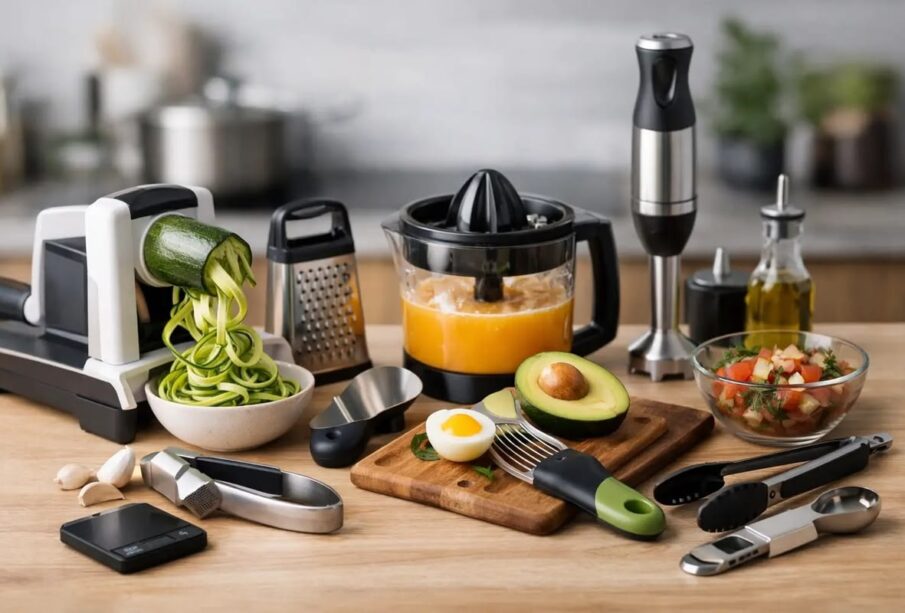
Best Blenders in Nigeria 2026
Choosing the best blender in Nigeria depends on your budget, how often you cook, the ingredients you blend and the features you need.
A simple blender may handle fruit smoothies and pepper mixtures, while a more powerful model with a grinder can suit households that regularly prepare soups, stews, spices and other Nigerian dishes.
For this guide, we compared selected home blenders by listed price, capacity, power rating where available, versatility and suitability for everyday kitchen use. Prices are a snapshot checked on 27 October 2026 and may change with stock, promotions and delivery charges.
Quick Picks: Our Blender Recommendations
| Category | Blender | Listed price | Best for |
|---|---|---|---|
| Best budget pick | Binatone BLG-412, 1.5L | ₦36,490 | Everyday blending on a tighter budget |
| Best budget alternative | Binatone BLG-415, 1.5L, 350W | ₦37,990 | Smoothies, fruits and routine kitchen tasks |
| Best mid-range option | Binatone BLG-620, 1.5L | ₦57,990 | Households wanting another option within the Binatone range |
| Best higher-capacity option in this selection | Binatone BL-1500PRO, 2L | ₦138,490 | Larger batches and more demanding kitchen routines |
| Best alternative brand | Philips HR2041/10, 450W | ₦78,900 | Shoppers considering a Philips model |
Prices and availability were checked on 27 October 2026 against online Nigerian retailer listings. They are not guaranteed prices. The table compares listed models, not laboratory-tested performance.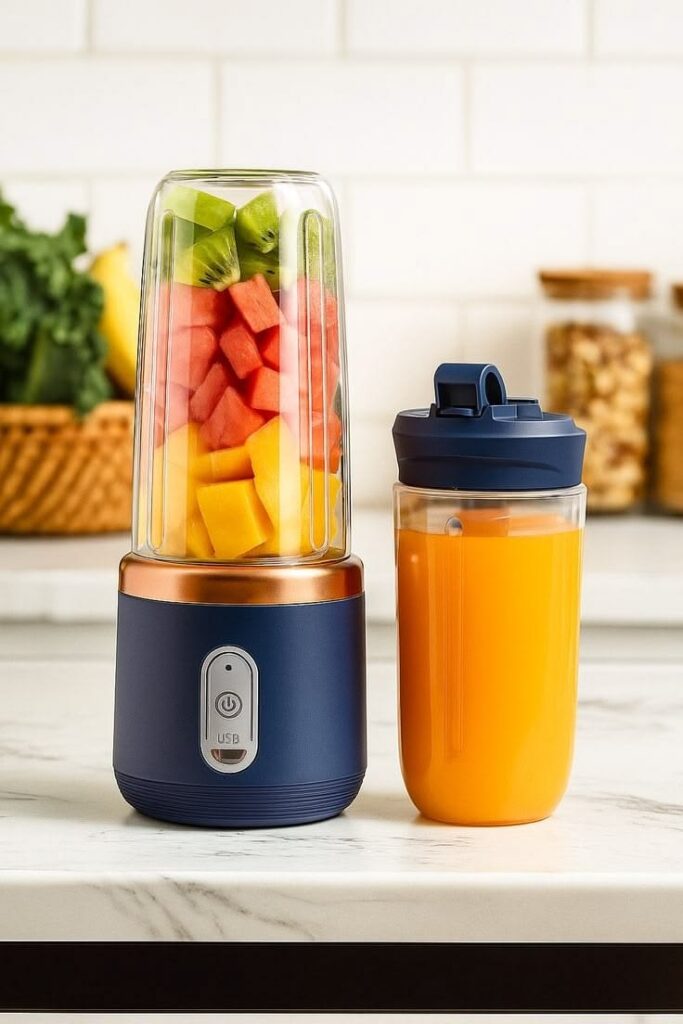
How We Chose These Blenders
We focused on practical considerations that matter in Nigerian homes rather than choosing a blender based on advertising claims alone.
Price: We considered the listed price and the difference between entry-level and more expensive options. A lower price can make a blender accessible, but buyers should also check the warranty, replacement parts and expected use.
Everyday usefulness: Capacity, available attachments and power ratings can help shoppers assess whether a model suits their routine. However, wattage alone does not guarantee better blending. Blade design, motor quality, ingredient quantity and operating instructions also matter.
Versatility: Some blenders include grinding attachments or separate jars. These can be useful when preparing pepper, spices and other ingredients, provided the manufacturer permits those uses.
Availability of product information: We prioritised models with identifiable product names and listed prices from Nigerian retailers. We did not treat every model’s performance as independently tested.
1. Binatone BLG-412: A Budget-Friendly Choice
Listed price: ₦36,490
The Binatone BLG-412 is a practical starting point for shoppers who want a standard 1.5-litre blender without spending heavily.
A model in this category may suit households that blend fruits, prepare simple drinks and process ingredients in manageable quantities. Before buying, check the product listing for the exact attachments included, the motor specifications and the warranty terms.
It is especially important to confirm whether the version being sold includes a grinder jar if you intend to use it for dry ingredients.
Best for: Budget-conscious households with everyday blending needs.
Before buying: Confirm the exact model number, jar material, attachments and after-sales support.
Retailer listing: Sims Nigeria’s Binatone blender range.
2. Binatone BLG-415: An Everyday Kitchen Option
Listed price: ₦37,990
The Binatone BLG-415 is listed as a 1.5-litre, 350-watt blender. Its price places it close to the BLG-412, making it worth comparing both models before purchasing.
The most sensible choice depends on the features supplied with the particular model and your intended use. If you prepare fruit drinks, blend soft ingredients or make small batches of kitchen mixtures, a standard home blender may be sufficient.
However, do not assume that every blender can handle dry grains, hard nuts or prolonged blending. Check the manufacturer’s guidance before attempting demanding tasks.
Best for: Everyday blending when affordability is a priority.
Before buying: Compare its attachments and warranty against the cheaper alternative.
3. Binatone BLG-620: A Mid-Range Alternative
Listed price: ₦57,990
The Binatone BLG-620 is listed as a 1.5-litre model. It costs more than the BLG-412 and BLG-415, so buyers should examine the specifications and included features before paying the difference.
A higher price does not automatically mean that a blender will last longer or perform better. Look for clear warranty information, accessible service support and attachments that genuinely match your cooking habits.
If you blend regularly, the cost of a reliable appliance can matter more than a small difference in the initial price. Nevertheless, you should verify the model’s features rather than relying on the brand name alone.
Best for: Buyers comparing options above the entry-level price range.
Before buying: Check what justifies the price difference and whether you will use those features.
4. Binatone BL-1500PRO: For Larger Blending Jobs
Listed price: ₦138,490
The Binatone BL-1500PRO is listed as a 2-litre professional blender. Its larger stated capacity may appeal to households that prepare bigger batches or blend frequently.
However, a larger jar is not automatically the best choice for everyone. It can take up more storage space, and the appliance may be more expensive than a household with modest needs requires.
Before choosing this model, review the manufacturer’s specifications, operating instructions, warranty and suitability for the ingredients you use.
Best for: Buyers who regularly prepare larger batches and want a higher-capacity model.
Before buying: Check the full specifications and whether its size and cost make sense for your kitchen.
5. Philips HR2041/10: An Alternative Brand to Consider
Listed price: ₦78,900
The Philips HR2041/10 is listed as a 450-watt blender. It offers shoppers an alternative to the Binatone models in this comparison.
Brand preference can influence a purchase, but the practical details deserve more attention. Check the exact model, jar capacity, included attachments, warranty and availability of replacement parts.
Compare these details with similarly priced models before deciding. If you mainly prepare smoothies and soft ingredients, you may not need to spend as much as a buyer who blends frequently or needs additional functions.
Best for: Shoppers who want to compare a Philips option with other household blenders.
Before buying: Verify the model specifications and local after-sales arrangements.
What Should You Check Before Buying a Blender in Nigeria?
Motor Power and Intended Use
Power ratings can help you compare models, but they are only one part of the decision. Match the blender to your normal ingredients and follow the manufacturer’s guidance.
Jar Capacity
A smaller jar may suit one or two people, while a larger household may prefer more capacity. Remember that the usable quantity can be lower than the jar’s full stated volume.
Attachments
A grinder jar can be useful for suitable dry ingredients, but not every attachment is designed for every task. Confirm what is included in the box.
Warranty and Replacement Parts
Ask about warranty coverage, service centres and replacement jars or blades. A blender that is difficult to repair may become expensive over time.
Power Supply and Safe Use
Follow the manufacturer’s instructions for operating the appliance. Do not overload the jar or run the motor continuously beyond the recommended period. If your electricity supply is unstable, use only power protection that is suitable for the appliance and follow the manufacturer’s advice.
Is the Cheapest Blender Always the Best Deal?
Not necessarily. The cheapest model may be perfectly suitable for simple tasks, but it could be less appropriate for frequent heavy use.
Consider the total cost of ownership. A slightly more expensive model may offer useful attachments, better support or a warranty that fits your needs. Conversely, paying extra for features you never use is not good value.
Before making a decision, compare at least two models within your budget. Check the final checkout price, delivery fee, return policy and warranty terms. Also confirm that the retailer is selling the exact model shown in the listing.
Frequently Asked Questions
1. Which blender is the cheapest in this comparison?
The Binatone BLG-412 is listed at ₦36,490. Prices can change, so confirm the current amount with the retailer before ordering.
2. What wattage is suitable for a home blender?
It depends on the ingredients and the manufacturer’s design. Compare power ratings alongside capacity, blade design, warranty and intended use rather than choosing by wattage alone.
3. Can I use a regular blender to grind dry pepper?
Only if the manufacturer permits it and the correct attachment is supplied. Using an unsuitable jar or overloading the motor can damage the appliance.
4. Should I buy a blender online?
Online shopping can make price comparisons easier. Before paying, verify the seller, exact model, warranty, delivery charges and return policy.
5. How often should I replace my blender?
There is no universal replacement interval. Follow the manufacturer’s maintenance guidance and consider replacement if the appliance becomes unsafe, cannot be repaired economically or no longer meets your needs.
Affiliate disclosure: This article may contain affiliate links. If you purchase through an eligible affiliate link, ANTTention Media may earn a commission at no additional cost to you. Product prices and availability can change. Retailer references in this draft are not verified affiliate-tracking links and must be replaced with approved affiliate URLs before publication.



Leave a reply




Africa’s Source for Breaking News | Entertainments | Health | Finance | Sports | Lifestyle and Business News.


