
Historical Events That Changed Africa
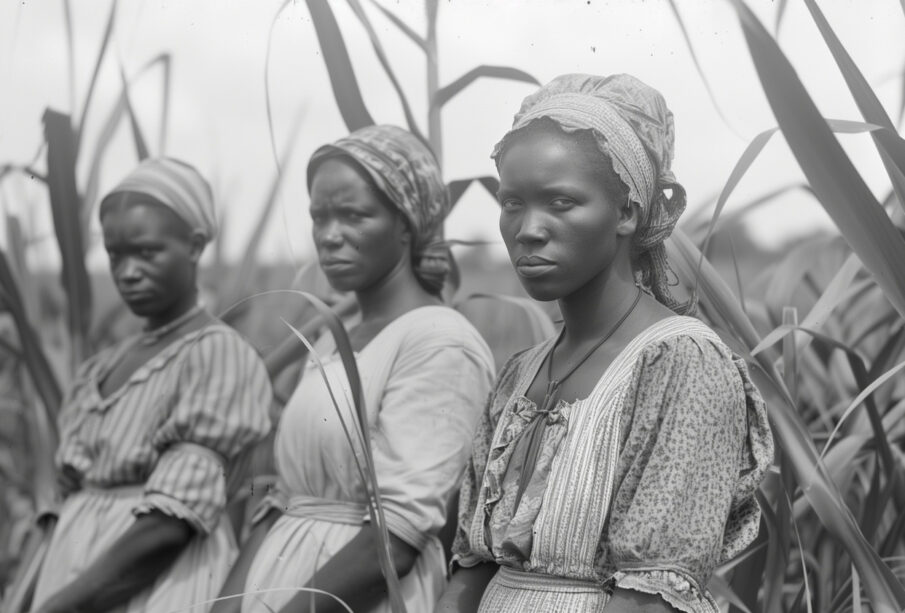
Africa’s history is rich, complex, and deeply influential, not only for the continent itself but for the entire world.
Across centuries, pivotal moments have reshaped societies, economies, and political systems. Understanding these events provides valuable insight into Africa’s present and future.
1. The Transatlantic Slave Trade (15th–19th Century)
One of the most devastating periods in African history was the Transatlantic Slave Trade. Millions of Africans were forcibly taken from their homes and transported to the Americas under brutal conditions.
This event had long-lasting effects:
- It depopulated entire regions.
- It disrupted traditional societies and economies.
- It created lasting global inequalities and racial tensions.
The legacy of this era still influences cultural identity, diaspora communities, and socio-economic realities today.
2. The Berlin Conference (1884–1885)
The Berlin Conference marked the formal division of Africa among European powers without African representation.
Key consequences included:
- Artificial borders that ignored ethnic and cultural lines.
- The beginning of intense colonial exploitation.
- Conflicts that persist in modern African states.
Many of today’s political and ethnic tensions can be traced back to decisions made during this conference.
3. Colonial Rule and Resistance Movements
Following the Berlin Conference, most of Africa fell under European colonial rule. However, resistance was constant. Events like the Maji Maji Rebellion showed that Africans actively fought against oppression.
These movements:
- Strengthened nationalist sentiments.
- Preserved cultural identity.
- Laid the groundwork for future independence struggles.
4. The Wave of Independence (1950s–1970s)
The mid-20th century saw a powerful shift as African nations gained independence. A landmark moment was Ghana Independence, making Ghana the first sub-Saharan African country to break free from colonial rule.
This era led to:
- The rise of African-led governments.
- The spread of Pan-African ideals.
- A redefinition of national identity.
However, independence also brought challenges such as political instability and economic restructuring.
5. The End of Apartheid (1994)
In South Africa, the dismantling of racial segregation culminated in the End of Apartheid.
This historic moment:
- Marked the election of the country’s first Black president, Nelson Mandela.
- Symbolized hope for equality and reconciliation.
- Inspired human rights movements globally.
It remains one of the most powerful examples of peaceful political transformation.
6. The Rwandan Genocide (1994)
The Rwandan Genocide was one of the darkest chapters in modern African history. In just 100 days, hundreds of thousands of people were killed.
Its impact included:
- A global reevaluation of international intervention policies.
- Long-term trauma and rebuilding efforts within Rwanda.
- Lessons about ethnic division and political manipulation.
Today, Rwanda stands as an example of recovery and reconciliation, though the scars remain.
7. The Formation of the African Union (2002)
The establishment of the Formation of the African Union marked a new era of cooperation among African nations.
Its goals include:
- Promoting unity and economic development.
- Resolving conflicts within the continent.
- Strengthening Africa’s voice on the global stage.
This event reflects Africa’s shift toward self-determination and collective progress.
Conclusion
Africa’s history is shaped by resilience, struggle, and transformation. From the trauma of slavery and colonization to the triumphs of independence and unity, each event has contributed to the continent’s evolving identity.
Understanding these historical milestones is essential, not just for appreciating Africa’s past, but for recognizing its potential and direction in the modern world.



Leave a reply






Africa’s Source for Breaking News | Entertainments | Health | Finance | Sports | Lifestyle and Business News.


