
Science Experiments You Can Try at Home
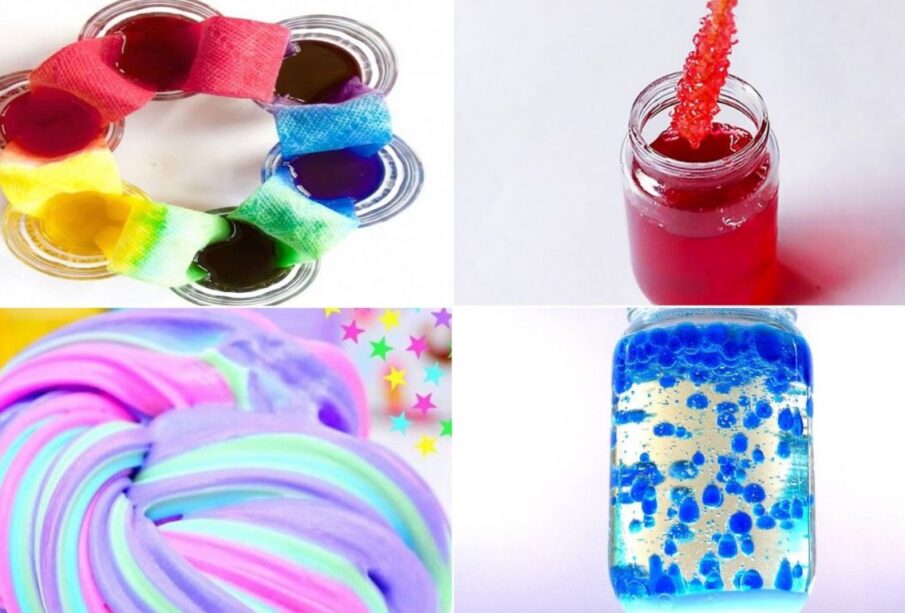
Science doesn’t have to stay in textbooks or laboratories.
In fact, some of the most exciting discoveries can happen right in your kitchen, living room, or backyard. Home science experiments are a great way to spark curiosity, especially for students, parents, or anyone who enjoys hands-on learning. Below are simple, safe, and fun experiments you can try at home using everyday materials.
1. The Classic Volcano Eruption
What you need:
- Baking soda
- Vinegar
- Dish soap (optional)
- Food coloring
- A cup or small bottle
What happens:
When baking soda reacts with vinegar, it produces carbon dioxide gas, creating a fizzy “eruption” that looks like a volcano.
How to do it:
Fill a small container with baking soda, add a few drops of dish soap and food coloring, then pour in vinegar.
What you learn:
This demonstrates a chemical reaction and gas production.
2. Floating Egg Experiment
What you need:
- Two glasses of water
- Salt
- An egg
What happens:
An egg sinks in plain water but floats in salty water.
How to do it:
Fill one glass with clean water and another with saltwater. Place the egg in both.
What you learn:
Salt increases water density, making objects float more easily.
3. Rainbow in a Glass
What you need:
- Sugar
- Water
- Food coloring
- Spoon
- Clear glass
What happens:
You can create layers of colored water that form a rainbow effect.
How to do it:
Mix different amounts of sugar into separate glasses of water and add different food colors. Carefully layer them in a glass.
What you learn:
Different sugar concentrations create different densities.
4. Invisible Ink Message
What you need:
- Lemon juice
- Cotton swab or brush
- Paper
- Heat source (lamp or iron, with adult supervision)
What happens:
Messages written with lemon juice become invisible when dry but reappear when heated.
How to do it:
Write a message using lemon juice, let it dry, then gently heat the paper.
What you learn:
Heat oxidizes the lemon juice, revealing the hidden writing.
5. Dancing Raisins
What you need:
- Clear soda (like sparkling water or soda drink)
- Raisins
- Glass
What happens:
Raisins move up and down in the liquid like they are dancing.
How to do it:
Drop raisins into a glass of soda and observe.
What you learn:
Carbon dioxide bubbles attach to the raisins, lifting them up, then they fall again when bubbles pop.
6. Homemade Lava Lamp
What you need:
- Oil
- Water
- Food coloring
- Alka-Seltzer tablet
- Clear bottle or jar
What happens:
Colorful blobs rise and fall like a lava lamp.
How to do it:
Fill a bottle with water and oil, add food coloring, then drop in an Alka-Seltzer tablet.
What you learn:
This shows how oil and water don’t mix and how gas bubbles move liquids.
7. Balloon Inflation with Baking Soda and Vinegar
What you need:
- Balloon
- Vinegar
- Baking soda
- Bottle
What happens:
The balloon inflates on its own.
How to do it:
Put vinegar in a bottle, baking soda inside a balloon, attach the balloon to the bottle, then tip it so the reaction begins.
What you learn:
Gas production can create pressure and inflate objects.
Safety Tips
- Always supervise children during experiments.
- Avoid ingesting any materials.
- Use protective gear if needed.
- Clean up after each experiment.
Final Thoughts
Science becomes far more exciting when you can see it happen in real time. These simple experiments help explain big scientific ideas like chemical reactions, density, and gas formation using everyday household items. Whether you are learning alone or with family, these activities make science both fun and memorable.




Leave a reply




Africa’s Source for Breaking News | Entertainments | Health | Finance | Sports | Lifestyle and Business News.


