
What Drives the Cost of Land Around the World
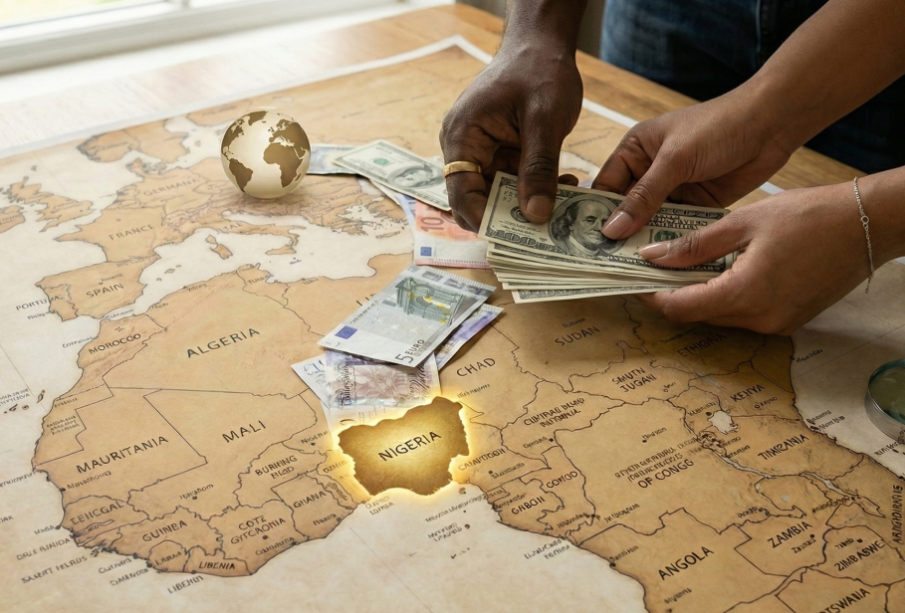
Global Land Pricing: What Drives the Cost of Land Around the World
Land is one of the most valuable and finite resources on Earth. Unlike buildings or infrastructure, it cannot be manufactured or expanded, making its pricing a complex and fascinating subject. Across the globe, land prices vary dramatically, from ultra-expensive urban plots in major cities to relatively affordable rural expanses. Understanding global land pricing requires examining the economic, social, political, and environmental factors that influence it.
1. Location: The Most Important Factor
The age-old real estate principle, “location, location, location” remains the biggest determinant of land prices worldwide. Land in major global cities such as New York City, London, and Tokyo commands extremely high prices due to strong economic activity, population density, and infrastructure.
In contrast, land in rural or less-developed areas, especially in parts of Sub-Saharan Africa or Central Asia, tends to be significantly cheaper due to lower demand and limited infrastructure.
2. Economic Strength and Demand
Countries with strong economies generally have higher land prices. High-income nations such as United States, Germany, and Australia attract investors, businesses, and skilled workers, all of which increase demand for land.
Emerging markets, including India and Brazil, often experience rapid increases in land prices due to urbanization and economic growth.
3. Urbanization and Population Growth
As populations grow and migrate toward cities, the demand for land in urban areas increases. Rapid urban expansion in cities like Lagos and Mumbai has driven land prices upward significantly.
Limited space combined with rising population pressures leads to competition, which naturally increases land values.
4. Government Policies and Regulations
Government policies play a major role in determining land prices. Zoning laws, property taxes, land ownership rights, and foreign investment regulations all influence pricing.
For example, countries like Singapore tightly regulate land use due to limited space, contributing to some of the highest land prices in the world. On the other hand, countries with less strict regulations may have more volatile or uneven pricing.
5. Infrastructure and Development
Access to infrastructure—such as roads, electricity, water supply, schools, and hospitals, significantly increases land value. Areas with modern infrastructure attract more buyers and investors.
Major development projects, such as new highways or rail systems, can dramatically increase land prices in surrounding areas. For example, new transport systems like the Crossrail boosted property values in parts of London.
6. Natural Resources and Environmental Factors
Land rich in natural resources, oil, minerals, fertile soil, tends to be more valuable. Agricultural land in fertile regions like parts of Ukraine or Argentina is highly sought after.
However, environmental risks such as flooding, earthquakes, or desertification can reduce land value. Coastal areas, while often expensive, can also be vulnerable to climate change impacts.
7. Political Stability and Security
Stable countries with strong legal systems tend to have higher land prices because they offer security for investors. Regions affected by conflict or political instability often see lower land values due to higher risk.
For instance, land prices in politically stable nations like Canada are generally higher and more predictable compared to conflict-prone regions.
8. Cultural and Social Influences
In some parts of the world, land ownership carries cultural significance, which can drive demand and pricing. In many African and Asian societies, land is tied to family heritage and long-term wealth, making it highly valued beyond just economic terms.
9. Global Trends Affecting Land Prices
Several global trends are shaping land pricing today:
- Climate Change: Rising sea levels and extreme weather affect land desirability.
- Remote Work: Reduced dependence on city offices is increasing demand for suburban and rural land.
- Foreign Investment: International buyers influence land markets in countries like United Arab Emirates and Thailand.
- Technology Growth: Tech hubs such as San Francisco experience extremely high land prices due to innovation-driven demand.
10. Comparing Global Land Prices
Globally, land prices can range from a few dollars per square meter in remote regions to tens of thousands of dollars per square meter in prime urban centers.
- Most expensive: Central districts in cities like Hong Kong and Monaco
- Moderately priced: Growing urban areas in developing countries
- Least expensive: Rural or underdeveloped regions with limited infrastructure
Conclusion
Global land pricing is influenced by a complex interplay of factors including location, economic strength, infrastructure, population growth, and political stability. As the world continues to urbanize and evolve, land will remain a critical asset, both as an investment and as a foundation for development.
For individuals and investors, understanding these dynamics is essential for making informed decisions. Whether buying land locally or internationally, the key is to evaluate both current conditions and future growth potential.




Leave a reply




Africa’s Source for Breaking News | Entertainments | Health | Finance | Sports | Lifestyle and Business News.


