Ancient trade routes were the world’s earliest global networks of exchange.
Long before modern shipping and air transport, merchants, explorers, and caravans connected distant civilizations through land and sea. These routes did more than move goods, they also spread ideas, religions, technologies, and cultures that shaped the world we know today.
What Were Ancient Trade Routes?
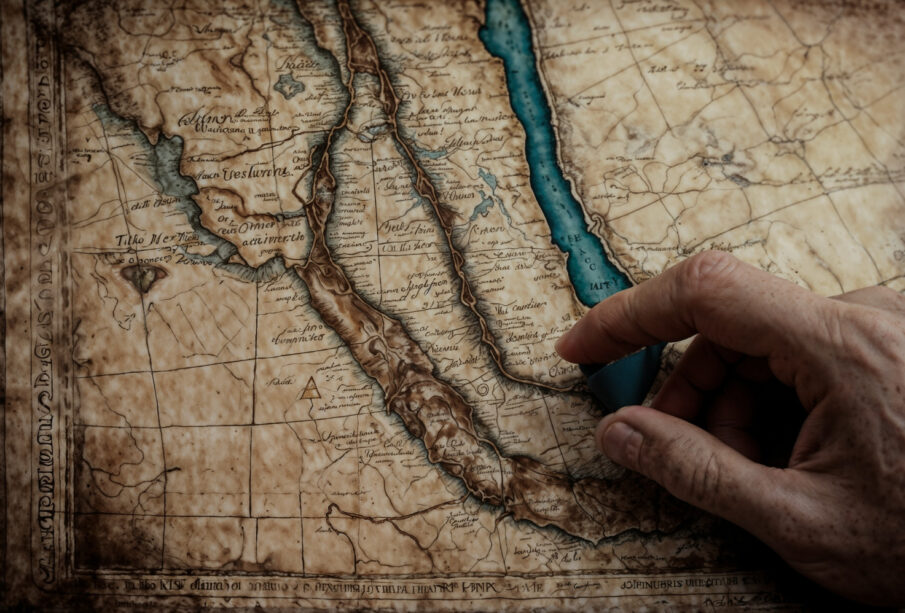
Ancient trade routes were established paths used by merchants to transport goods across regions and continents. Because travel was difficult and often dangerous, traders relied on well-known routes that offered water, rest stops, and protection from bandits.
Over time, these paths became organized networks linking major civilizations such as China, India, Arabia, Africa, and Europe.
The most famous of these include the Silk Road, the Trans-Saharan trade routes, and the Indian Ocean trade network.
The Silk Road: Connecting East and West
The Silk Road is perhaps the most famous ancient trade route in history. It connected China with the Mediterranean world, stretching over thousands of miles.
Key Goods Traded
- Silk from China
- Spices from India
- Gold and glassware from Europe
- Horses and wool from Central Asia
However, the Silk Road was not just about goods. It also allowed the spread of religions like Buddhism, Islam, and Christianity, as well as scientific knowledge, art styles, and languages.
The Trans-Saharan Trade Routes: Desert Commerce
The Trans-Saharan trade routes connected West Africa with North Africa and the Mediterranean world. Traders crossed the vast Sahara Desert using camel caravans, often called the “ships of the desert.”
Key Goods Traded
- Gold from West Africa
- Salt from the Sahara region
- Ivory and slaves (in historical contexts)
- Textiles and manufactured goods from North Africa
These routes helped build powerful West African empires such as Mali and Songhai, which grew wealthy through trade taxes and control of key trading cities.
The Indian Ocean Trade Network: Sea-Based Exchange
Unlike land routes, the Indian Ocean trade network relied on monsoon winds to power sailing ships between East Africa, the Middle East, India, and Southeast Asia.
Key Goods Traded
- Spices like pepper and cinnamon
- Silk and porcelain from China
- Gold and ivory from East Africa
- Textiles and ceramics from India
This network encouraged the growth of coastal trading cities such as Kilwa, Mombasa, and Calicut. It also promoted cultural exchange, leading to the spread of Islam along the East African coast and into Southeast Asia.
Why These Trade Routes Mattered
Ancient trade routes were not just about economics. They played a major role in shaping civilizations in several ways:
Cultural Exchange
Ideas, beliefs, and traditions spread alongside goods. This helped societies learn from one another and develop shared knowledge.
Technological Advancement
Innovations such as papermaking, compass navigation, and advanced farming techniques traveled across continents through traders.
Urban Growth
Trading hubs grew into wealthy cities. These cities became centers of learning, culture, and political power.
Global Connections
Even though ancient societies were far apart, trade routes created early forms of globalization by linking distant regions into one economic system.
Challenges Faced by Ancient Traders
Traveling these routes was extremely dangerous and difficult. Traders faced:
- Harsh weather conditions like deserts and storms
- Bandits and piracy along land and sea routes
- Long travel times that could take months or even years
- Disease outbreaks spread through long-distance contact
Despite these risks, the rewards of trade were high enough to keep the networks active for centuries.
The Legacy of Ancient Trade Routes
Even though modern transportation has replaced caravans and sailing ships, the influence of ancient trade routes still remains. Many modern cities grew from ancient trading hubs, and cultural connections formed through these routes still exist today.
Most importantly, these networks laid the foundation for global trade systems, proving that human societies have always been deeply interconnected.
Conclusion
Ancient trade routes were more than paths for commerce, they were bridges between civilizations. Through the Silk Road, the Trans-Saharan trade routes, and the Indian Ocean trade system, the ancient world became connected in ways that shaped history permanently.
Understanding these routes helps us see how trade, culture, and human interaction have always been central to global development.