
How Crime Impacts Communities
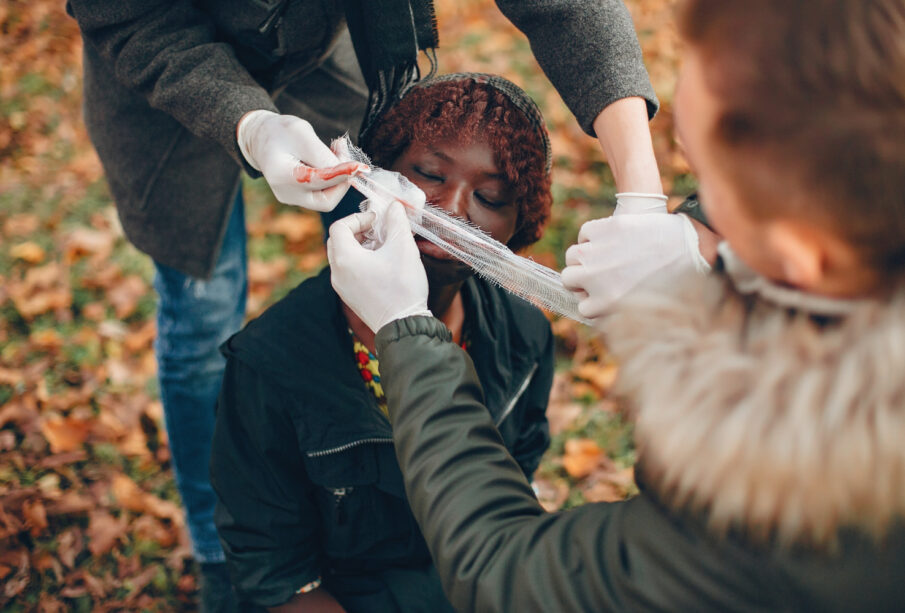
Crime is more than an individual act, it is a social issue that deeply affects entire communities.
From economic decline to psychological distress, the ripple effects of crime extend far beyond the immediate victims. Understanding these impacts is essential for building safer, stronger neighborhoods.
The Economic Consequences of Crime
Crime can significantly damage the economic health of a community. Businesses are often the first to feel the impact. High crime rates discourage investment, reduce customer traffic, and may even force businesses to shut down. This leads to job losses and fewer economic opportunities for residents.
Property values also tend to decline in areas with frequent criminal activity. Homebuyers are less likely to invest in neighborhoods perceived as unsafe, which reduces wealth accumulation for homeowners and weakens the local tax base. As a result, communities may struggle to fund essential services such as education, healthcare, and infrastructure.
Social and Psychological Effects
Beyond financial losses, crime takes a heavy toll on the mental and emotional well-being of residents. Fear becomes a constant presence in daily life. People may avoid going out at night, interacting with neighbors, or participating in community events.
This fear can lead to social isolation and a breakdown of trust among residents. When people feel unsafe, they are less likely to cooperate with one another or with law enforcement. Over time, this erodes the sense of unity that holds communities together.
Victims of crime often experience trauma, anxiety, and depression. Even those who are not directly affected may suffer from stress simply by living in a high-crime environment.
Impact on Youth and Future Generations
Crime can have a lasting impact on young people. Children growing up in unsafe neighborhoods may be exposed to violence, drug use, and other harmful behaviors. This exposure can normalize criminal activity and increase the likelihood of youth involvement in crime.
Educational outcomes are also affected. Schools in high-crime areas may face disruptions, reduced attendance, and fewer resources. Students who feel unsafe may struggle to concentrate, leading to poor academic performance and limited future opportunities.
Strain on Public Services
Communities with high crime rates often place a heavy burden on public services. Law enforcement agencies, healthcare providers, and the justice system must allocate significant resources to address criminal activity.
This strain can reduce the effectiveness of these services in other areas. For example, police may have less time for community engagement, and healthcare systems may become overwhelmed with treating victims of violence.
Breakdown of Community Trust
Trust is a vital component of any healthy community. Crime undermines this trust, not only between residents but also between the public and institutions. When people feel that authorities are unable to protect them, confidence in the system declines.
This breakdown can make it more difficult to solve crimes, as witnesses may be reluctant to come forward. It can also hinder community-led initiatives aimed at improving safety and quality of life.
The Cycle of Crime
One of the most damaging effects of crime is its tendency to create a cycle. Economic hardship, lack of education, and social instability can all contribute to higher crime rates. In turn, increased crime worsens these conditions, trapping communities in a cycle that is difficult to break.
Addressing this cycle requires a comprehensive approach that includes education, job creation, community engagement, and effective law enforcement.
Conclusion
Crime impacts communities in complex and far-reaching ways. It affects economic growth, social cohesion, mental health, and the future of younger generations. While the challenges are significant, understanding these effects is the first step toward creating safer and more resilient communities.
Efforts to reduce crime must go beyond punishment, they should focus on prevention, support systems, and opportunities that empower individuals and strengthen the community as a whole.




Leave a reply







Africa’s Source for Breaking News | Entertainments | Health | Finance | Sports | Lifestyle and Business News.


