
Popular Foods Sold in African Markets
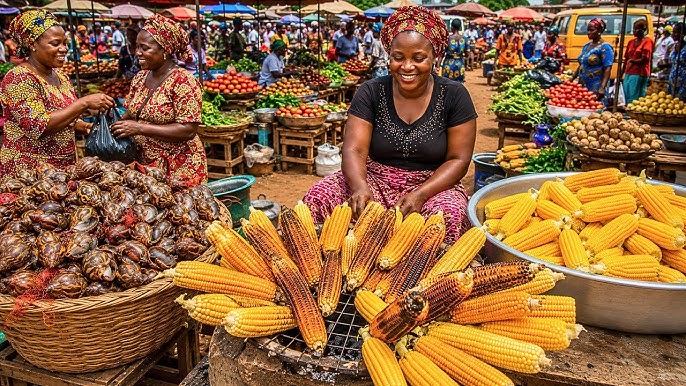
Popular Foods Sold in African Markets
African markets are vibrant centers of commerce, culture, and community.
Whether in bustling cities or rural villages, these markets provide access to fresh ingredients, traditional delicacies, and locally produced foods that reflect the continent’s incredible diversity. From colorful vegetables and aromatic spices to freshly caught fish and handcrafted snacks, African markets offer a rich culinary experience that attracts both locals and visitors.
Despite the rapid growth of supermarkets across Africa, traditional markets continue to play a vital role in food distribution, supporting millions of farmers, traders, and small businesses while preserving generations of culinary traditions.
Why African Markets Remain Essential
Markets are much more than places to buy food. They serve as economic hubs where local producers sell directly to consumers, helping communities access affordable and fresh products.
Some key advantages include:
- Competitive prices
- Fresher produce than many retail stores
- Support for local farmers
- Seasonal food availability
- Greater variety of indigenous ingredients
- Strong community relationships
For many African households, visiting the local market remains a weekly tradition.
Fresh Fruits
Fresh fruit stalls are among the first attractions visitors notice. Depending on the region and season, markets overflow with tropical fruits rich in flavor and nutrition.
Popular fruits include:
- Mangoes
- Pineapples
- Bananas
- Oranges
- Watermelons
- Pawpaw (Papaya)
- Avocados
- Guavas
- Passion fruits
- Coconuts
These fruits are often harvested shortly before reaching the market, making them fresher than imported alternatives.
Fresh Vegetables
Vegetables form the foundation of many African dishes. Local markets stock both indigenous and widely cultivated vegetables.
Common vegetables include:
- Tomatoes
- Onions
- Peppers
- Okra
- Spinach
- Garden eggs (African eggplants)
- Cabbage
- Carrots
- Cucumbers
- Pumpkin leaves
- Bitter leaf
- Waterleaf
- Amaranth leaves
Many leafy vegetables are sold in bundles, allowing buyers to purchase affordable quantities.
Staple Grains and Cereals
Grains are among the most purchased items because they form the basis of everyday meals across the continent.
Popular grains include:
- Rice
- Maize (Corn)
- Millet
- Sorghum
- Wheat
- Fonio
- Barley
Many markets sell these grains in bulk, making them more affordable for families and businesses.
Legumes and Beans
Beans are a major source of protein for millions of Africans.
Frequently sold varieties include:
- Black-eyed beans
- Brown beans
- Cowpeas
- Bambara groundnuts
- Soybeans
- Lentils
- Chickpeas
They are commonly purchased dried and stored for long periods.
Tubers and Root Crops
Root crops remain dietary staples in many African countries.
Popular tubers include:
- Yam
- Cassava
- Sweet potatoes
- Irish potatoes
- Cocoyam
- Taro
Cassava is particularly important because it is processed into products such as garri, fufu flour, tapioca, and cassava flour.
Fresh Meat
Many markets have designated sections where butchers prepare fresh meat daily.
Common meats include:
- Beef
- Goat meat
- Lamb
- Chicken
- Turkey
- Pork (where culturally accepted)
Customers often choose specific cuts according to their cooking needs.
Fish and Seafood
Markets located near rivers, lakes, and coastlines provide a wide selection of seafood.
Popular choices include:
- Tilapia
- Catfish
- Mackerel
- Sardines
- Croaker
- Crabs
- Shrimp
- Lobsters
- Oysters
Smoked and dried fish are especially popular because they preserve well and enhance the flavor of soups and stews.
Traditional Spices and Seasonings
African cuisine is famous for its bold flavors, and markets are the primary source of authentic spices.
Popular seasonings include:
- Ginger
- Garlic
- Turmeric
- Cloves
- Black pepper
- African nutmeg
- Curry blends
- Thyme
- Bay leaves
- Chili peppers
Many traders prepare their own spice mixtures using recipes passed down through generations.
Palm Oil and Cooking Oils
Cooking oils occupy an important place in every market.
Common options include:
- Red palm oil
- Groundnut oil
- Sunflower oil
- Soybean oil
- Coconut oil
- Sesame oil
Palm oil remains one of the most widely used cooking ingredients across West and Central Africa.
Nuts and Seeds
Markets stock nutritious nuts and seeds used for snacks, soups, and cooking.
Popular examples include:
- Groundnuts (Peanuts)
- Cashew nuts
- Sesame seeds
- Pumpkin seeds
- Melon seeds (Egusi)
- Tiger nuts
- Coconut
Egusi is particularly popular for preparing rich and flavorful soups in several West African countries.
Local Snacks
Traditional snacks are available in almost every African market.
Common favorites include:
- Roasted groundnuts
- Plantain chips
- Chin chin
- Puff puff
- Roasted corn
- Coconut candy
- Cassava chips
- Sweet potatoes
- Roasted yam
Many are freshly prepared throughout the day.
Bread and Baked Foods
Freshly baked products remain highly popular.
Common items include:
- Local bread
- Meat pies
- Doughnuts
- Buns
- Cakes
- Biscuits
Street vendors often deliver these products directly within market areas.
Local Beverages
African markets also sell refreshing local drinks.
Popular beverages include:
- Fresh coconut water
- Hibiscus drink (Zobo or Bissap)
- Tamarind juice
- Ginger drink
- Baobab juice
- Sugarcane juice
- Fresh fruit juices
These drinks are often prepared using natural ingredients without artificial preservatives.
Dried Foods
Dry foods help households reduce food waste and store ingredients for months.
Frequently purchased items include:
- Dried pepper
- Dried fish
- Dried vegetables
- Dried mushrooms
- Beans
- Rice
- Maize flour
- Millet flour
They are especially valuable in regions with seasonal food production.
Traditional Market Delicacies
Every African country has unique foods commonly sold in local markets.
Examples include:
- Garri
- Fufu flour
- Injera
- Couscous
- Ugali flour
- Banku mix
- Kenkey
- Koki beans
- Biltong
- Suya spice
These products reflect the cultural diversity found across the continent.
The Role of Markets in Food Security
Traditional markets contribute significantly to food security by connecting farmers with consumers efficiently. They reduce transportation costs, encourage local food production, and make nutritious foods more accessible.
Small-scale traders also create employment opportunities for millions of people, particularly women and young entrepreneurs who rely on market trading for their livelihoods.
As African populations continue to grow, improving market infrastructure, storage facilities, transportation, and hygiene standards will further strengthen food systems across the continent.
Tips for Shopping in African Markets
To enjoy the best experience when shopping in African markets:
- Arrive early for the freshest produce.
- Compare prices before making purchases.
- Bring reusable shopping bags.
- Buy seasonal fruits and vegetables for better value.
- Inspect meats and fish for freshness.
- Support local farmers and small vendors.
- Store perishable items properly after purchase.
These simple habits can help shoppers save money while enjoying high-quality food.
Conclusion
African markets are living expressions of the continent’s rich agricultural heritage and culinary traditions. They provide everything from fresh fruits and vegetables to grains, spices, meats, seafood, and beloved local delicacies. Beyond supplying food, these markets support livelihoods, preserve cultural practices, and strengthen local economies.
Whether you are preparing a traditional family meal, discovering regional flavors, or exploring African food culture for the first time, a visit to a local market offers an authentic glimpse into the continent’s vibrant way of life. By supporting these markets, consumers contribute to sustainable food systems and help preserve one of Africa’s most enduring cultural institutions.




Leave a reply




Africa’s Source for Breaking News | Entertainments | Health | Finance | Sports | Lifestyle and Business News.


