
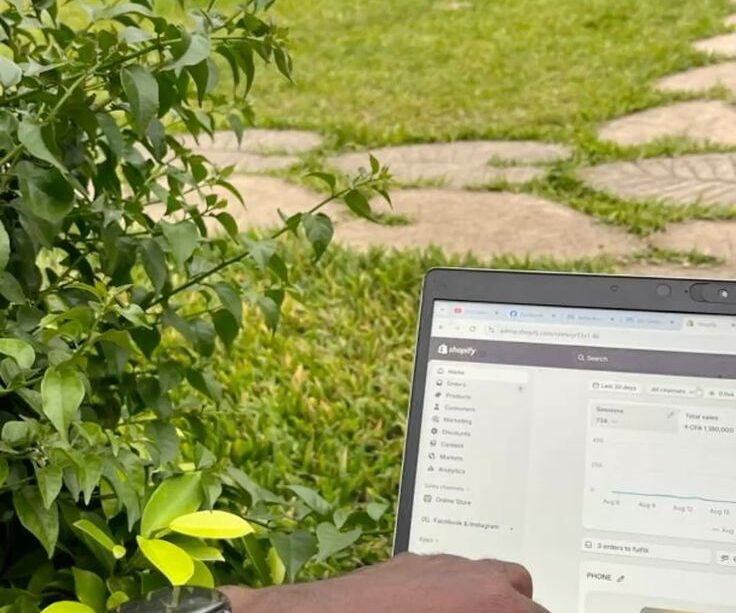
Remote Work From Liberia
Remote Work From Liberia: Best Jobs, Real Pay and How to Land Them
Remote work is creating new opportunities for young Africans who want to earn money without relocating to another country. In Liberia, where formal employment opportunities can be limited, working online offers another path to financial independence. With a laptop, reliable internet access, marketable skills and consistent effort, Liberians can pursue jobs with local businesses, international companies and clients across different time zones.
However, finding remote work is not as simple as creating a profile on a job website. Some opportunities pay well, while others offer low wages or turn out to be scams. Payment restrictions, competition and unreliable electricity can also make the process challenging.
So, which remote jobs are worth pursuing in Liberia? How much can workers realistically earn, and what steps can help them secure their first opportunity?
Why Remote Work Is Becoming Attractive in Liberia
Remote work allows employees and freelancers to perform their duties from home or another location instead of travelling to a traditional office. Depending on the employer, workers may follow fixed working hours or complete assignments independently.
For Liberians, this arrangement can open doors beyond the local job market. A skilled graphic designer in Monrovia, for example, can work with a marketing agency in another country. Similarly, a customer support representative can assist international customers without leaving Liberia.
Remote employment can also reduce commuting expenses and create opportunities for people living outside major commercial centres.
Nevertheless, access remains uneven. Internet costs, electricity interruptions, limited equipment and international payment requirements can prevent qualified candidates from competing effectively. Therefore, choosing a realistic career path and preparing for these challenges are essential.
The Best Remote Jobs for Liberians
Not every online job requires a university degree or years of professional experience. Some positions prioritise communication and organisation, while others require technical training and a strong portfolio.
1. Virtual Assistant
Virtual assistants help businesses manage everyday administrative tasks. Their responsibilities may include responding to emails, scheduling appointments, organising documents, updating spreadsheets and conducting online research.
This role suits organised individuals who communicate clearly and can manage several responsibilities without constant supervision.
Estimated monthly earnings: $200–$800 for many entry-level or part-time arrangements, with experienced assistants potentially earning more.
To get started, learn Google Workspace, Microsoft Excel, calendar management and professional email writing. Create sample schedules, spreadsheets and email templates to demonstrate your abilities.
2. Customer Support Representative
Customer support professionals answer questions, resolve complaints and help customers use products or services. Depending on the company, communication may happen through live chat, email, telephone or social media.
This is a practical option for people with strong English-language skills, patience and problem-solving abilities.
Estimated monthly earnings: $300–$1,200, depending on working hours, experience, employer and whether the position is locally or internationally contracted.
Applicants should practise professional communication, learn customer relationship management tools and prepare examples showing how they would handle difficult customers.
Before applying, check whether the employer accepts applicants residing in Liberia. Some companies restrict hiring to particular countries because of payroll, tax or regulatory requirements.
3. Freelance Writing and Editing
Businesses need blog posts, website copy, product descriptions, newsletters and social media content. Freelance writers can provide these services to clients in Liberia and abroad.
Writers with strong research skills and a clear understanding of search engine optimisation may find opportunities in digital marketing.
Estimated monthly earnings: $200–$1,500 for freelancers with a developing or established client base. Beginners may earn considerably less while building a portfolio.
Start by writing three to five high-quality samples in a specific niche, such as technology, finance, travel or business. Publish them in a portfolio and pitch relevant companies directly.
AI writing tools have increased competition in this field. Consequently, writers should focus on accuracy, original insights, useful examples and editing rather than simply producing large quantities of generic text.
4. Graphic Design and Video Editing
Companies need visual content for advertisements, websites, product launches and social media campaigns. Graphic designers create posters, brand identities and marketing materials, while video editors transform raw footage into polished content.
These careers are particularly attractive to people who enjoy creative work.
Estimated monthly earnings: $300–$2,000 or more for freelancers with valuable skills and recurring clients. Actual earnings depend heavily on experience, project complexity and the ability to find consistent work.
Beginners can learn tools such as Canva, Adobe Photoshop, Premiere Pro or DaVinci Resolve. However, choose software that works with your available equipment and budget.
Build a portfolio featuring several realistic projects. A small collection of excellent designs or edited videos is usually more persuasive than a long list of software skills without practical evidence.
5. Software Development and Web Design
Businesses need websites, online stores, internal systems and software that improve their operations. Developers and web designers can therefore access opportunities that extend beyond their home countries.
Estimated monthly earnings: $800–$3,500 or more for qualified professionals in suitable international contracts, although beginners may earn much less.
Start with a clear learning path. For web development, HTML, CSS and JavaScript provide a useful foundation. Later, learn a framework or backend technology based on the projects you want to build.
Create practical projects, publish your code where appropriate and document your work. Employers want evidence that you can solve problems, not merely certificates showing that you completed courses.
6. Online Tutoring
People with strong academic knowledge, language skills or professional expertise can teach students online. Potential subjects include English, mathematics, science, computer literacy and examination preparation.
Estimated monthly earnings: $150–$800 for many part-time tutoring arrangements, depending on the number of students, lesson rates and platform access.
Prepare sample lessons, develop clear teaching materials and practise explaining difficult concepts simply. Before joining a tutoring platform, confirm its eligibility requirements and payment options for Liberian residents.
7. Data Entry and Research Assistance
Data entry workers organise information, update records, check documents and transfer information between systems. Research assistants may also collect information, verify sources and prepare summaries.
Estimated monthly earnings: $150–$600 for many entry-level or part-time opportunities, although rates vary considerably.
These jobs can provide an introduction to online work, but competition is intense. Applicants should learn spreadsheets, data accuracy, file organisation and basic research methods.
Be cautious of advertisements promising unusually high earnings for simple typing tasks. Some are designed to collect personal information or demand upfront payments.
Note on earnings: All figures above are indicative planning ranges in US dollars, not verified Liberia-specific salary averages or guaranteed rates. They combine broad expectations for different types of remote and freelance work. Actual earnings depend on experience, contract terms, hours, client location, taxes and payment fees. Freelancers may earn nothing during periods without clients.
How to Find Legitimate Remote Jobs
Knowing which career to pursue is only the beginning. The next challenge is finding employers who are genuinely willing to hire someone based in Liberia.
Use Established Job Platforms
Search platforms such as LinkedIn, Upwork, Fiverr and Remote.co for relevant vacancies or freelance projects. Other specialist job boards may also be useful.
However, each platform has different eligibility rules. Check the current registration, verification and withdrawal requirements before investing significant time in creating a profile.
Use specific searches such as “remote customer support Africa,” “worldwide virtual assistant” or “freelance video editor.” Read job descriptions carefully because the word “remote” does not automatically mean a position is open to applicants worldwide.
Build a Professional Portfolio
A portfolio gives employers evidence of your abilities.
A writer can share published articles. A designer can present campaign graphics. A developer can demonstrate working projects, while a virtual assistant can create sample spreadsheets and administrative workflows.
If you have no paid experience, produce realistic practice projects and label them honestly as personal or sample work.
Improve Your CV and Online Profile
Keep your CV focused on relevant skills, projects and achievements. Avoid vague claims such as “hardworking and passionate” without examples that support them.
Instead, describe what you can do. For example, a customer support applicant might highlight experience answering enquiries, documenting complaints and maintaining accurate records.
Your LinkedIn profile should use a professional headline, a clear summary and relevant work samples where possible.
Apply Consistently and Personalise Your Applications
Sending hundreds of identical applications is rarely a strong strategy. Identify positions that match your abilities and explain how you can help the employer.
A concise application should show that you understand the role, possess relevant skills and can demonstrate them through previous work or practical projects.
Track applications, responses and interviews in a spreadsheet. This helps you identify which approaches are working and where you need improvement.
How Liberians Can Receive International Payments
Getting hired is only part of the process. Workers must also receive their earnings reliably.
Before accepting a contract, confirm the available payment method with the employer or platform. Depending on the arrangement, options may include an international bank transfer, an eligible payment service or a supported freelance platform withdrawal method.
Do not assume that every service operates in Liberia simply because it is popular elsewhere. Verify account eligibility, identity requirements, withdrawal options, currency conversion charges and transaction fees directly with the provider.
Where possible, agree on payment dates, invoicing procedures and the currency before beginning work.
Never pay an employer a recruitment fee in exchange for a guaranteed job. Avoid requests to receive and forward money, purchase equipment through an unfamiliar supplier or share banking credentials and verification codes.
Common Challenges and How to Overcome Them
Remote workers in Liberia may face unreliable electricity, expensive data, limited access to equipment and competition from applicants around the world.
Start by choosing work that fits your current resources. Someone with a basic laptop may begin with writing, virtual assistance or lightweight design tools rather than resource-intensive video production.
Download learning materials when internet access is affordable, keep offline copies of important files and plan demanding tasks around reliable electricity where possible.
Competition becomes easier to manage when you specialise. Instead of offering every possible service, develop a clear skill and target clients who need it.
Finally, treat remote work as a business when freelancing. Keep records of income and expenses, maintain professional communication and avoid depending entirely on one client.
A Practical 30-Day Plan to Get Started
You do not need to master every digital skill before applying for work. A focused first month can help you establish a foundation.
Week 1: Choose one skill. Assess your interests, equipment and existing abilities. Select a realistic path, such as virtual assistance, writing, design or customer support.
Week 2: Learn and practise. Complete relevant lessons and create two or three practical samples. Focus on skills employers actually request.
Week 3: Prepare your profile. Write a focused CV, build a simple portfolio and identify legitimate job platforms that support applicants from Liberia.
Week 4: Start applying. Submit tailored applications, contact suitable clients and track your progress. Use feedback to improve your portfolio and interview performance.
Continue learning while applying. If employers repeatedly request a skill you lack, make it your next learning priority.
Final Thoughts
Remote work offers Liberians a chance to access opportunities beyond traditional employment, but success rarely happens overnight. The most reliable approach is to choose a marketable skill, demonstrate it through practical work, target legitimate employers and confirm payment arrangements before accepting a contract.
You do not need to pursue software development simply because it pays well, nor must you buy expensive equipment before taking your first step. Begin with the resources available to you, build evidence of your abilities and improve as opportunities grow.
The goal is not merely to find an online job. It is to build a sustainable source of income that rewards your skills, supports your ambitions and gives you greater control over your future.




Leave a reply





Africa’s Source for Breaking News | Entertainments | Health | Finance | Sports | Lifestyle and Business News.


