Science is often imagined as a world of precise experiments, detailed calculations, and carefully planned research.
While that is true, many of history’s most important breakthroughs were not the result of deliberate planning, but pure accident. These “happy accidents” show that curiosity, observation, and an open mind can transform unexpected events into world-changing discoveries.
Here are some of the most fascinating scientific discoveries that happened by accident.
1. Penicillin; The Accidental Antibiotic
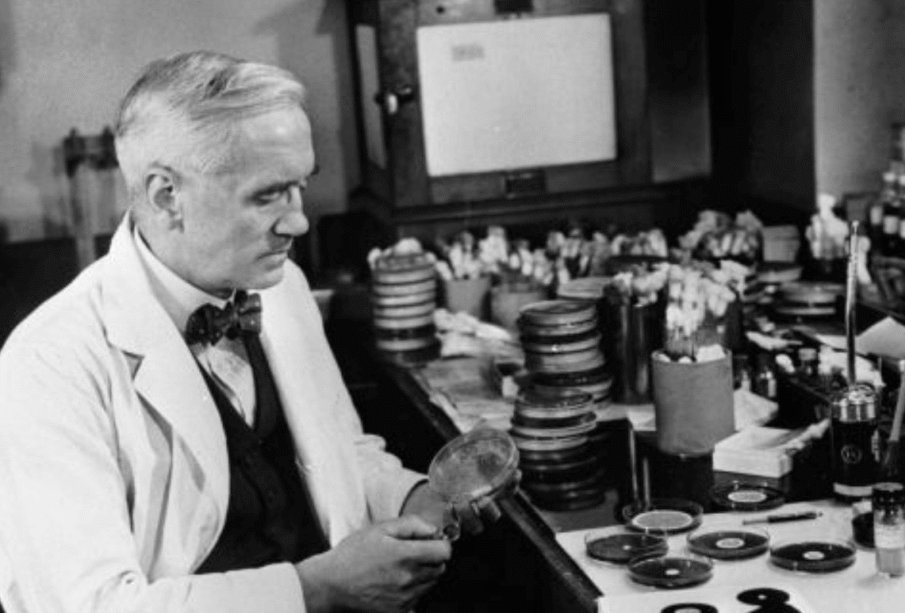
In 1928, Scottish scientist Alexander Fleming returned from vacation to find that one of his petri dishes had been contaminated with mold. Instead of discarding it, he noticed something unusual: bacteria surrounding the mold were dying.
The mold, later identified as Penicillium, produced a substance that killed bacteria. This accidental observation led to the development of penicillin, the first true antibiotic. Penicillin revolutionized medicine, saving millions of lives by treating previously deadly infections.
Without Fleming’s curiosity and attention to detail, modern antibiotics might have arrived much later.
2. Microwave Oven; A Melted Chocolate Bar
In the 1940s, engineer Percy Spencer was working with radar equipment when he noticed something strange: a chocolate bar in his pocket had melted. Spencer realized that microwaves from the radar equipment were heating the chocolate. Intrigued, he experimented further with popcorn and eggs. This led to the invention of the microwave oven, now a common kitchen appliance worldwide.
A simple melted snack changed how people cook and reheat food.
3. X-Rays; A Glow in the Dark
In 1895, German physicist Wilhelm Conrad Röntgen was experimenting with cathode rays when he noticed a fluorescent screen nearby glowing, even though it wasn’t directly exposed to light.
He had unknowingly discovered X-rays, a form of radiation that could pass through soft tissue but not bone. This breakthrough transformed medical diagnosis and earned Röntgen the first Nobel Prize in Physics.
Today, X-rays are essential in hospitals around the world.
4. Vulcanized Rubber; A Dropped Experiment
Before the 19th century, natural rubber was sticky in heat and brittle in cold weather, making it unreliable. American inventor Charles Goodyear accidentally dropped a mixture of rubber and sulfur onto a hot stove.
Instead of melting, the rubber hardened while remaining flexible. This process, known as vulcanization, made rubber durable and useful for products like tires, shoes, and industrial equipment.
A mistake in the lab changed transportation and manufacturing forever.
5. Post-it Notes; A Weak Glue
In 1968, chemist Spencer Silver was trying to develop a super-strong adhesive. Instead, he created a weak glue that could stick lightly to surfaces and be removed without damage. At first, it seemed like a failure. Years later, his colleague Art Fry realized the glue was perfect for bookmarks that wouldn’t fall out of his church hymnal.
This “failed” experiment led to the creation of Post-it Notes, now an everyday office essential.
6. Cosmic Microwave Background Radiation, Static Noise
In 1964, radio astronomers Arno Penzias and Robert Wilson were trying to eliminate persistent static noise from their antenna. No matter what they did, even cleaning out bird droppings, the noise remained. Eventually, scientists realized the signal was not interference but leftover radiation from the Big Bang.
This accidental discovery provided powerful evidence supporting the Big Bang theory and reshaped our understanding of the universe.
Why Accidental Discoveries Matter
These stories share a common lesson: accidents alone do not create breakthroughs, prepared minds do. Each of these scientists could have ignored their unusual observations. Instead, they asked questions.
Serendipity plays a powerful role in innovation. But curiosity, persistence, and critical thinking turn accidents into discoveries.
The Hidden Lesson Behind Happy Accidents
Scientific progress is not always linear. Mistakes, failed experiments, and unexpected results often lead to new paths. In fact, some researchers say that being open to surprises is one of the most important qualities in science. In everyday life, this lesson applies beyond laboratories. Whether in business, technology, or personal growth, unexpected outcomes can become opportunities, if we pay attention.
Sometimes, the greatest discoveries are not found. They are noticed.