
Political Decisions That Affect Daily Life
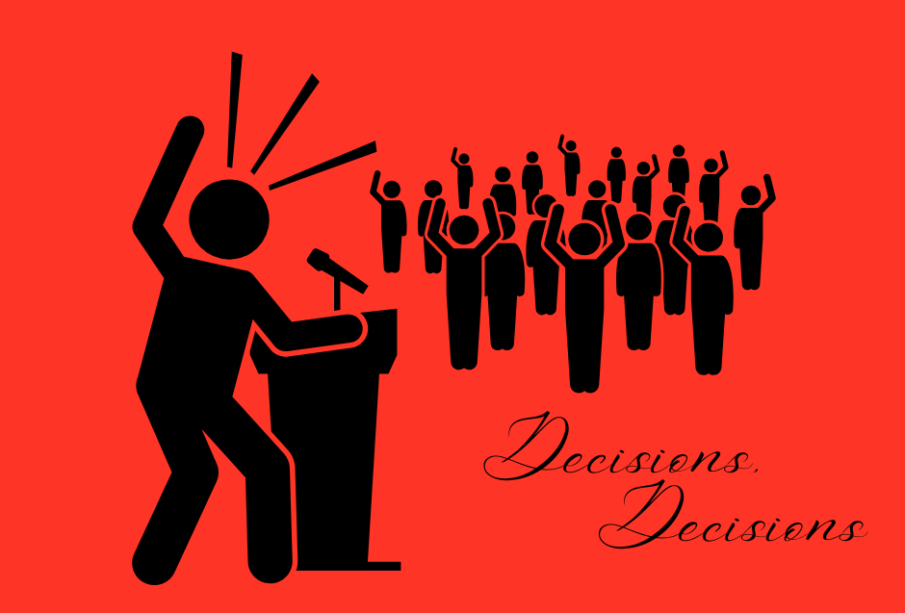
Political decisions often feel distant, as if they only happen in government buildings or during elections.
However, in reality, they shape almost every part of daily life. From the price of food in the market to the quality of roads you travel on, politics plays a silent but powerful role. Understanding these decisions helps you see how governance directly influences your comfort, safety, and opportunities.
1. Tax Policies and Cost of Living
One of the most immediate ways politics affects daily life is through taxation. Governments decide how much individuals and businesses should pay in taxes, and these decisions influence the prices of goods and services. For instance, when taxes on fuel or imported goods increase, transportation costs rise, and businesses often pass those costs to consumers.
As a result, everyday essentials like food, clothing, and transport become more expensive. On the other hand, tax relief or subsidies can reduce financial pressure on households and stimulate economic activity.
2. Education Policies and Opportunities
Education systems are largely shaped by political decisions. Governments determine school funding, curriculum standards, teacher salaries, and access to scholarships. Consequently, these policies affect the quality of education students receive.
For example, when a government invests more in public schools, classrooms become better equipped and learning outcomes improve. Conversely, underfunding can lead to overcrowded classrooms and limited resources, which may affect students’ future opportunities.
3. Healthcare Systems and Accessibility
Healthcare is another area heavily influenced by political choices. Decisions about hospital funding, medical insurance schemes, and drug pricing directly affect how easily people can access treatment.
In many countries, public healthcare policies determine whether citizens can receive affordable care or must rely on expensive private hospitals. Therefore, political leadership plays a crucial role in public health outcomes, life expectancy, and overall well-being.
4. Infrastructure Development
Roads, electricity, water supply, and public transportation are all products of political planning and budgeting. When governments prioritize infrastructure development, daily life becomes more efficient and comfortable.
For instance, good roads reduce travel time and vehicle maintenance costs. Reliable electricity supports businesses and improves household productivity. However, poor infrastructure decisions can lead to traffic congestion, power shortages, and reduced economic growth.
5. Employment and Economic Policies
Job availability is also shaped by political decisions. Governments create employment opportunities through public sector jobs, while also influencing private sector growth through economic policies.
Policies that support entrepreneurship, foreign investment, and industrial development tend to increase job opportunities. Meanwhile, unstable policies or poor economic planning can lead to unemployment and slow economic growth.
6. Security and Law Enforcement
Daily safety depends largely on how well political leaders manage security systems. Decisions about funding the police, military, and intelligence agencies affect crime rates and public safety.
When security is prioritized, communities feel safer, businesses operate more effectively, and daily activities proceed without fear. However, weak governance can lead to increased crime and instability, affecting everyone’s quality of life.
7. Food and Agricultural Policies
Political decisions also influence what people eat and how much they pay for food. Governments regulate agriculture through subsidies, import restrictions, and farming support programs.
When farmers receive support such as fertilizers or equipment subsidies, food production increases and prices may drop. Conversely, poor agricultural planning or import dependency can lead to food shortages and rising costs.
8. Transportation and Fuel Policies
Transport systems and fuel pricing are heavily influenced by government decisions. Policies regarding public transport, fuel subsidies, and road regulations directly affect how people move from one place to another.
For example, when fuel prices increase due to policy changes, transportation fares also rise. This affects workers, students, and businesses alike, showing how deeply political decisions are tied to mobility.
Conclusion
Political decisions are not abstract ideas reserved for politicians, they are part of everyday life. From the food you buy to the roads you travel on, governance shapes your experience in visible and invisible ways. Therefore, staying informed and participating in civic processes helps ensure that these decisions reflect the needs of the people they affect.
Understanding politics is not just about elections; it is about recognizing how power and policy influence your daily reality.



Leave a reply





Africa’s Source for Breaking News | Entertainments | Health | Finance | Sports | Lifestyle and Business News.


