
The Impact of Population Growth on Urban Development
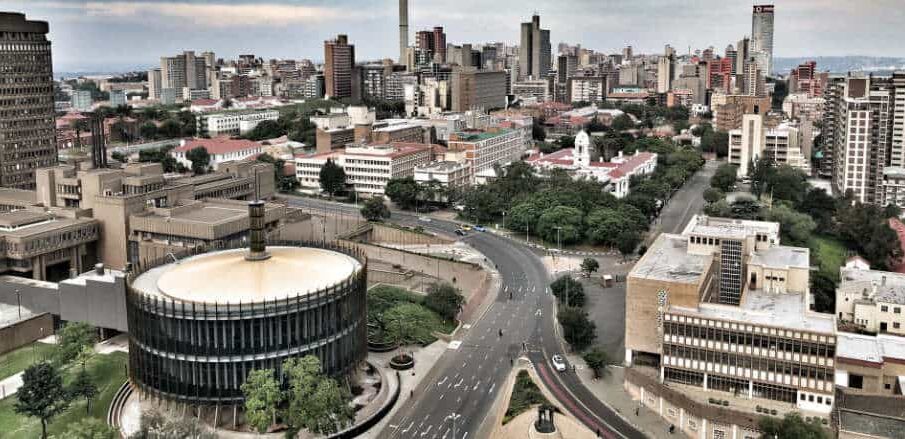
The Impact of Population Growth on Urban Development
Cities are growing faster than ever.
Across Africa, millions of people move into urban areas each year in search of jobs, education, healthcare, business opportunities, and better living conditions. As populations increase, cities must expand their housing, transport networks, water systems, schools, healthcare facilities, markets, and other essential services.
Population growth can create opportunities for economic development and innovation. However, when urban growth happens faster than planning and infrastructure development, it can also place significant pressure on cities. Traffic congestion, housing shortages, overcrowding, waste management challenges, and pressure on public services can become increasingly difficult to manage.
Understanding the relationship between population growth and urban development is therefore important for building cities that remain functional, inclusive, and sustainable.
What Is Population Growth?
Population growth refers to an increase in the number of people living within a particular area over time. In cities, population growth can occur through natural population increases as well as migration from rural areas and smaller communities.
Africa is experiencing rapid urbanisation, with cities such as Lagos, Nairobi, Accra, Addis Ababa, Dar es Salaam, and Johannesburg continuing to attract residents and businesses.
Urbanisation can stimulate economic activity. More people create larger consumer markets, expand the workforce, and increase demand for goods and services. At the same time, cities must ensure that infrastructure and public services can accommodate this growing population.
Rising Demand for Housing
One of the most visible effects of population growth is increased demand for housing.
When more people move into a city, existing housing stock may not be sufficient. Developers respond by constructing new homes, apartments, and residential communities. However, high construction costs and limited affordable housing can leave many residents struggling to find suitable accommodation.
In some African cities, rapid population growth has contributed to the expansion of informal settlements. These communities may develop without adequate access to roads, drainage, electricity, clean water, sanitation, or waste collection.
Urban planners therefore need to consider affordability alongside housing supply. Building more homes does not automatically solve a housing problem if a large portion of the population cannot afford them.
Pressure on Transportation Systems
Population growth also affects how people move around cities.
As urban populations increase, more residents need to travel to work, school, markets, hospitals, and other destinations. If road networks and public transportation systems fail to expand at the same pace, congestion can become a major problem.
Cities may experience longer commuting times, overcrowded buses, increased fuel consumption, and greater pressure on existing roads.
Investing in reliable public transportation can help cities manage these challenges. Bus rapid transit systems, rail networks, pedestrian infrastructure, cycling routes, and well-connected roads can give residents more transportation options.
Urban planning should also encourage development around transportation corridors. When homes, workplaces, schools, and services are located closer together, residents may not need to make long journeys every day.
Growing Pressure on Water and Sanitation
Water is another essential resource affected by population growth.
A larger urban population requires more water for drinking, cooking, cleaning, businesses, industries, and public facilities. Existing water infrastructure may struggle to meet this demand when cities expand rapidly.
Sanitation systems face similar challenges. More residents generate more wastewater and place greater demands on sewage networks, drainage systems, and public toilets.
Without adequate investment, cities can face sanitation problems that affect public health and environmental quality.
Urban authorities can respond by expanding water infrastructure, improving drainage systems, supporting wastewater treatment, and encouraging responsible water management.
Waste Management Challenges
More people also means more waste. Households, restaurants, markets, offices, factories, and other businesses generate large quantities of solid waste every day. When collection systems cannot keep up with demand, waste can accumulate in streets, drainage channels, markets, and residential areas.
Poor waste management can contribute to blocked drains, flooding, unpleasant living conditions, and environmental pollution.
Population growth therefore creates a strong need for more efficient waste collection and recycling systems. Cities can also support businesses that turn waste materials into useful products while encouraging households and businesses to reduce unnecessary waste.
Expansion of Infrastructure
Population growth can encourage cities to expand their infrastructure.
New roads, schools, hospitals, shopping centres, housing developments, telecommunications networks, power systems, and public spaces may emerge as demand increases.
This expansion can create jobs and stimulate investment. It can also improve the quality of life when infrastructure reaches communities that previously lacked essential services.
However, infrastructure development requires careful planning. If cities simply expand outward without coordinated planning, they can develop sprawling communities that are expensive and difficult to serve.
Pressure on Healthcare and Education
Growing populations increase demand for healthcare and education. More residents require hospitals, clinics, pharmacies, schools, universities, vocational centres, and other public services. If governments and private investors do not expand these facilities, existing institutions may become overcrowded.
The challenge becomes especially significant in rapidly expanding urban communities where population growth occurs faster than public infrastructure development.
Urban planning should therefore include schools and healthcare facilities from the beginning of major residential developments rather than treating them as afterthoughts.
Economic Opportunities Created by Population Growth
Population growth does not only create challenges. It can also strengthen urban economies. A larger population provides businesses with a larger customer base. Entrepreneurs can find opportunities in food services, transportation, retail, technology, housing, logistics, healthcare, education, entertainment, and other industries.
Young urban populations can also contribute to innovation and creative industries.
For African cities, this demographic growth could become an important economic advantage if governments and businesses create opportunities for employment, entrepreneurship, skills development, and investment.
The Role of Urban Planning
Effective urban planning can determine whether population growth becomes manageable or overwhelming. City authorities need reliable population data to understand where people live, how communities are changing, and which services require expansion.
Planning should also consider future growth rather than focusing only on current needs.
For example, a road designed for today’s population may become inadequate within a decade. Similarly, a residential development without sufficient schools, healthcare facilities, drainage, and transportation connections can create long-term problems.
Long-term planning allows cities to prepare for future demand instead of constantly reacting to crises.
Technology and Smarter Cities
Technology is increasingly becoming part of the solution. Digital mapping, traffic monitoring, smart utility systems, online government services, and data-driven planning can help cities understand how residents use urban spaces.
Smart technologies can also improve transportation management, energy consumption, waste collection, public safety, and access to government services.
African cities can adapt these technologies to local conditions rather than simply copying systems used in other parts of the world.
Creating More Inclusive Cities
Urban development should benefit different groups within the population. Rapid development can sometimes increase inequality when new infrastructure and investment are concentrated in wealthier neighbourhoods while low-income communities receive fewer services.
Inclusive urban development considers the needs of low-income households, informal workers, people with disabilities, older residents, young people, and other groups.
Affordable housing, accessible transportation, public spaces, reliable utilities, and nearby services can help ensure that population growth does not widen existing inequalities.
Population Growth and the Future of African Cities
Africa’s urban population is expected to continue growing, making urban development an increasingly important issue for governments, businesses, planners, communities, and investors.
The future of African cities will depend partly on how effectively they manage this growth.
Cities that invest in infrastructure, housing, transportation, environmental protection, technology, education, and healthcare can create stronger foundations for economic development. Those that fail to plan ahead may face increasing pressure on already limited resources.
Population growth itself is not necessarily a problem. The greater challenge lies in managing growth without allowing infrastructure and public services to fall behind.
Conclusion
Population growth has a profound impact on urban development. It increases demand for housing, transportation, water, sanitation, healthcare, education, energy, waste management, and other essential services.
At the same time, a growing urban population can create larger markets, a stronger workforce, new businesses, and opportunities for innovation.
For African cities, the goal should not simply be to accommodate more people. It should be to create urban environments where people can live, work, travel, raise families, and build businesses safely and productively.
With thoughtful planning, investment, technology, and community participation, population growth can become an opportunity to build more connected, productive, and sustainable cities for future generations.


Leave a reply




Africa’s Source for Breaking News | Entertainments | Health | Finance | Sports | Lifestyle and Business News.


