
The Rise of Women-Led Enterprises
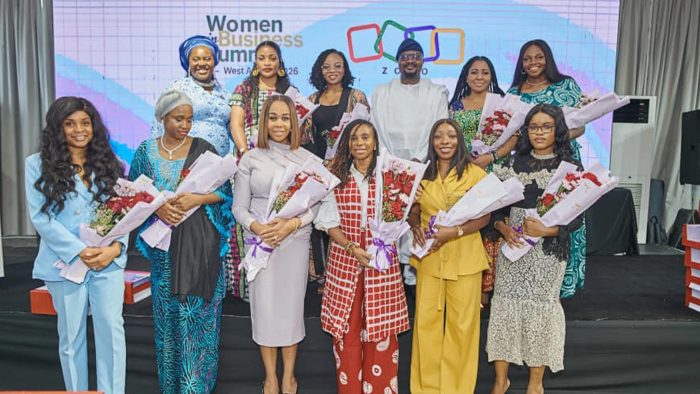
The Rise of Women-Led Enterprises
Across Africa, women are playing an increasingly visible role in entrepreneurship and business development.
From small retail businesses and creative enterprises to technology startups, professional services, agriculture, manufacturing, and logistics, women-led enterprises are contributing to local economies and creating opportunities for other people.
For many women, entrepreneurship provides more than an income source. It can offer greater economic independence, flexibility, and an opportunity to turn personal skills or community needs into viable businesses.
The growth of women-led enterprises also reflects broader changes in Africa’s business environment. Digital platforms, mobile payments, social media, e-commerce, business networks, and access to online education have created new ways for women to start and grow businesses.
Women Are Building Businesses Across Industries
Women entrepreneurs operate across almost every sector of the economy.
In food and agriculture, women run farms, food-processing businesses, catering companies, restaurants, and distribution ventures. In fashion and beauty, many have built brands around clothing, cosmetics, haircare, accessories, and personal services.
Technology has also opened new opportunities. Women are establishing businesses in digital marketing, software, e-commerce, financial technology, education technology, and creative services.
This diversity shows that women-led entrepreneurship cannot be limited to one type of business. Women are responding to opportunities across both traditional and emerging industries.
Digital Platforms Are Opening New Doors
Technology has changed how entrepreneurs reach customers. Social media platforms allow business owners to display products, communicate with customers, build communities, and promote their brands without relying entirely on physical storefronts.
E-commerce has expanded this opportunity further. A woman operating from home can potentially reach customers outside her immediate neighbourhood or city.
Mobile payment systems have also simplified transactions for many small businesses. Together, these tools can reduce some of the traditional barriers associated with starting a business.
However, digital access remains uneven. Internet costs, unreliable connectivity, limited digital skills, and access to appropriate devices can still affect how effectively entrepreneurs use technology.
Access to Finance Remains Important
One of the major issues facing entrepreneurs is access to affordable capital. Women-owned businesses may need financing to purchase equipment, increase inventory, hire employees, improve their premises, or expand into new markets.
Beyond providing loans, financial institutions and development organisations can support entrepreneurs through financial education, business advisory services, savings programmes, and investment opportunities.
Better access to suitable financial products can help women move from small-scale operations towards more sustainable businesses.
Women Entrepreneurs Create Wider Economic Opportunities
The impact of women-led businesses can extend beyond individual business owners.
When an enterprise grows, it can create employment for other people. It can also generate demand for suppliers, transport providers, marketers, designers, accountants, manufacturers, and other service providers.
A successful woman-owned food business, for example, may purchase ingredients from farmers, packaging from local manufacturers, and delivery services from logistics companies.
This creates a network of economic activity around the original enterprise.
Mentorship and Business Networks Matter
Entrepreneurship can become difficult when business owners lack access to guidance.
Mentorship programmes and professional networks can connect women entrepreneurs with experienced business owners who can share practical knowledge about pricing, hiring, marketing, financial management, customer service, and expansion.
Business communities can also create opportunities for collaboration.
Instead of competing constantly, entrepreneurs can refer customers to one another, share resources, form partnerships, and learn from each other’s experiences.
Women Are Building Brands Around Local Needs
Many women entrepreneurs identify opportunities by paying attention to challenges within their communities. A business may emerge because customers struggle to access a particular product, service, delivery option, educational resource, or household solution.
This local understanding can become a competitive advantage. Entrepreneurs who understand their customers’ daily experiences can design products and services that respond directly to those needs.
African markets are diverse, so solutions that work in one community may require adjustments before they can succeed elsewhere. Women entrepreneurs who understand their local markets can play an important role in developing these tailored solutions.
The Importance of Skills Development
Business ownership requires more than a good idea. Entrepreneurs need skills in budgeting, marketing, negotiation, customer service, record keeping, leadership, and strategic planning.
Digital skills have become equally important. Understanding social media marketing, online payments, e-commerce, data, and digital communication can help businesses compete in an increasingly connected marketplace.
Training programmes therefore have an important role to play. Practical education can help women entrepreneurs make stronger business decisions and prepare their enterprises for growth.
Creating a Supportive Business Environment
The growth of women-led enterprises depends on more than individual determination.
Governments, financial institutions, corporations, development organisations, business associations, and communities can all contribute to a supportive entrepreneurial environment.
Useful interventions can include:
- Affordable financing for small businesses.
- Entrepreneurship and digital-skills training.
- Mentorship programmes.
- Access to markets and procurement opportunities.
- Business registration support.
- Networking opportunities.
- Incubation and acceleration programmes.
- Infrastructure that supports commerce and digital connectivity.
These measures can help reduce barriers while giving entrepreneurs more opportunities to build sustainable enterprises.
From Small Businesses to Growth Companies
Not every women-led enterprise begins with plans for rapid expansion. Some businesses start as small operations designed to generate income for a household.
Over time, however, some develop into larger companies with employees, formal structures, established brands, and customers across multiple markets.
This progression highlights the importance of creating pathways for growth.
Entrepreneurs need opportunities to move from survival-oriented businesses towards enterprises that can invest, hire, innovate, and compete.
A Growing Force in Africa’s Business Landscape
Women-led enterprises are becoming an increasingly important part of Africa’s entrepreneurial landscape. Their contribution can be seen in neighbourhood businesses, markets, online stores, professional services, creative industries, farms, technology companies, and growing consumer brands.
The next stage will require continued investment in finance, skills, digital access, mentorship, infrastructure, and market opportunities.
Supporting women entrepreneurs is not simply about helping individual business owners. Stronger enterprises can create jobs, strengthen supply chains, introduce new products and services, and contribute to local economic activity.
As Africa’s economies continue to evolve, women-led enterprises will remain an important part of the continent’s business story.




Leave a reply







Africa’s Source for Breaking News | Entertainments | Health | Finance | Sports | Lifestyle and Business News.


