
A Foodie’s Guide to Tanzania
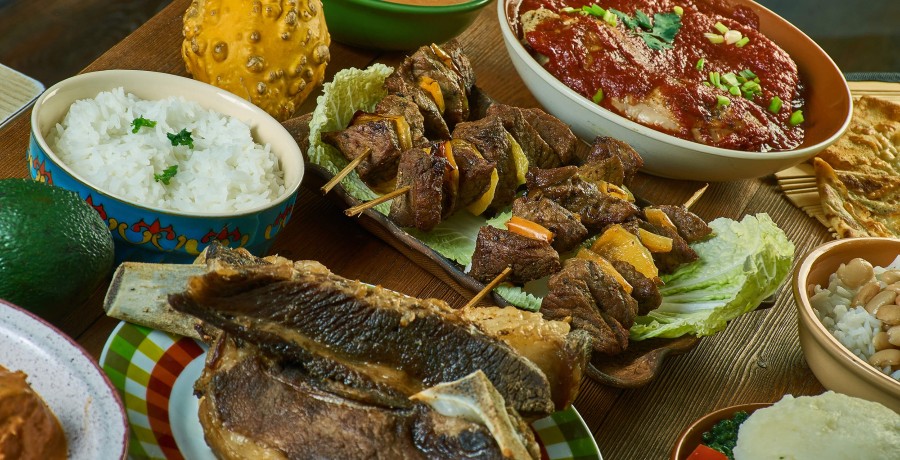
A Foodie’s Guide to Tanzania
A Foodie’s Guide to Tanzania: Dishes That Tell the Nation’s Story
Tanzania is often celebrated for its spectacular landscapes, wildlife, beaches, and mountains. From the Serengeti to Mount Kilimanjaro and the islands of Zanzibar, the country offers travellers unforgettable experiences. Yet there is another way to understand Tanzania: through its food.
Tanzanian cuisine is more than a collection of delicious meals. It is a reflection of the country’s history and people. African traditions meet Arab, Indian, Persian and European influences in kitchens across the country. Coastal trade shaped the flavours of Zanzibar and Dar es Salaam, while inland communities developed hearty dishes based on grains, vegetables, meat and bananas.
For a foodie, travelling through Tanzania is therefore a journey through history. Every plate tells part of the story.
Ugali: The Food That Brings People Together
If there is one food that represents everyday Tanzanian life, it is ugali.
Made primarily from maize flour cooked with water, ugali has a firm, dough-like texture. It is usually eaten with the hands and served alongside vegetables, meat, fish, beans or sauces.
Ugali is not exclusive to Tanzania. Variations of maize-based staples appear throughout East Africa. However, its importance in Tanzanian households makes it a powerful symbol of everyday life.
It is affordable, filling and adaptable. A family can serve it with a simple vegetable stew or pair it with meat and fish for a more substantial meal.
Eating ugali also reveals something about the social nature of Tanzanian food culture. Meals are often shared, making food an opportunity for conversation, hospitality and connection.
For visitors, trying ugali is not simply about tasting a staple. It is about experiencing a food that has remained central to ordinary Tanzanian life.
Chipsi Mayai: Tanzania’s Street Food Favourite
Few dishes demonstrate Tanzania’s creative approach to food quite like chipsi mayai.
The name essentially refers to chips and eggs. French fries are combined with beaten eggs and cooked together, producing a simple but satisfying omelette-like dish.
It may sound unusual to someone encountering it for the first time, but chipsi mayai has become a popular street food across Tanzania.
Its popularity says something important about modern Tanzanian food culture. Traditional cuisine does not remain frozen in the past. People constantly adapt ingredients and cooking methods to create new favourites.
Chipsi mayai is affordable, convenient and widely accessible. You can find it in casual eateries and street-food settings, particularly in busy urban areas.
It is also a reminder that some of the most interesting national dishes are born not in royal kitchens but through ordinary people’s creativity.
Pilau: A Taste of Tanzania’s Trading History
Tanzanian pilau carries the history of the Indian Ocean in its aroma.
Rice, spices, meat and vegetables come together in this richly flavoured dish. Depending on the recipe, ingredients can include cloves, cinnamon, cardamom, cumin and other spices.
Pilau is particularly associated with coastal Tanzania and Zanzibar, where centuries of trade brought African, Arab, Persian and Indian influences into close contact.
The Swahili Coast was part of a major Indian Ocean trading network. Traders, sailors and migrants moved between East Africa, Arabia, Persia and the Indian subcontinent. They carried goods, languages, religious traditions and culinary practices with them.
Food absorbed these influences too.
Today, Tanzanian pilau demonstrates how cultures can meet in a single dish. The spices tell a story of movement and exchange. Its rice reflects the importance of agriculture and trade. Its place at celebrations demonstrates how food can become part of cultural identity.
For a foodie exploring Tanzania, pilau is almost like eating a piece of the country’s coastal history.
Zanzibar Pizza: A Modern Classic With Many Influences
Zanzibar pizza is another example of Tanzania’s ability to transform different culinary ideas into something uniquely local.
Despite its name, Zanzibar pizza is not a traditional Italian pizza. Instead, it is a street-food creation made by folding dough around fillings before cooking it on a hot surface.
Fillings can include minced meat, onions, vegetables and egg. Sweet versions may contain banana, chocolate or other ingredients.
The dish is particularly associated with Stone Town and the lively Forodhani Gardens food market in Zanzibar.
Its story reflects the cosmopolitan character of Zanzibar. The island has historically connected communities from different parts of Africa and the Indian Ocean world.
The result is food that feels familiar and foreign at the same time.
For visitors, watching Zanzibar pizza being prepared is part of the experience. Vendors stretch, fill and fold the dough before cooking it in front of customers.
It is street food, entertainment and cultural experience in one.
Nyama Choma: Meat, Community and Celebration
Nyama choma means roasted meat and is another important part of East African food culture.
In Tanzania, the dish is commonly prepared by grilling meat over an open fire. Goat is particularly popular, although other meats can also be used.
Nyama choma is more than a meal. It is strongly connected to social gatherings.
Friends may meet over grilled meat after work. Families can prepare it for celebrations. Groups can spend hours talking, eating and sharing drinks around a grill.
That social element is important because food in Tanzania is often about community rather than individual consumption.
The cooking process itself can become part of the occasion. Meat is grilled slowly while people gather around, talk and wait for the food to be ready.
For travellers, nyama choma provides an opportunity to experience the relaxed and communal side of Tanzanian dining.
Mishkaki: Tanzania on a Skewer
Mishkaki is another popular street-food experience.
Small pieces of marinated meat are placed on skewers and grilled over charcoal. The smoky aroma often draws people toward roadside food stalls and casual eateries.
Mishkaki is particularly popular in urban environments, where street food plays an important role in feeding busy populations.
The dish also reflects Tanzania’s wider culinary relationship with the Swahili Coast. Grilling, marination and the use of aromatic spices all contribute to a food tradition shaped by centuries of cultural interaction.
For visitors, mishkaki is an easy introduction to Tanzania’s street-food scene. It is simple, portable and packed with flavour.
Zanzibar’s Seafood: A Taste of the Indian Ocean
Tanzania’s coastline provides another important part of its food story.
Zanzibar, Dar es Salaam and other coastal communities have access to a wide variety of seafood. Fish, prawns, octopus, squid and other seafood appear in local dishes, often prepared with spices, coconut and fresh herbs.
Zanzibar’s seafood culture is inseparable from the Indian Ocean. Fishing communities have depended on the sea for generations, while coastal trade introduced new ingredients and culinary techniques.
A seafood meal on the island can therefore tell two stories at once: the story of communities that depend on the ocean and the story of centuries of maritime exchange.
For travellers, eating freshly prepared seafood close to the water offers an experience that connects geography directly to the plate.
Ndizi na Nyama: The Flavours of Inland Tanzania
Bananas are an important ingredient in several Tanzanian dishes, particularly in parts of northern Tanzania.
Ndizi na nyama combines bananas with meat to create a hearty stew. Green cooking bananas are prepared with meat and spices, creating a meal that is very different from the sweeter banana dishes many visitors may know.
The popularity of banana-based dishes reflects the agricultural traditions of communities that cultivate bananas.
It also demonstrates an important principle of African cuisine: local ingredients often determine what ends up on the dinner table.
Instead of relying on imported ingredients, communities developed dishes around crops that grow successfully in their environment.
More Than Food: Eating Tanzania’s History
The most fascinating thing about Tanzanian cuisine is the way different histories exist on the same table.
Maize connects meals to farming and everyday life. Rice and spices reveal the influence of Indian Ocean trade. Seafood connects coastal communities to the ocean. Grilled meat reflects social gatherings and celebration. Street foods show how modern Tanzanians continue to experiment and adapt.
This makes food an excellent way to explore Tanzania beyond its famous tourist attractions.
A visitor can learn something about the country by walking through a market, ordering street food, sharing a plate of pilau or sitting down to eat nyama choma with locals.
Final Thoughts
Tanzania’s food tells a story of movement, agriculture, trade, community and cultural exchange.
The country’s cuisine cannot be reduced to one flavour or one tradition. Instead, it is a collection of influences that have developed over generations.
For food lovers, that makes Tanzania an especially rewarding destination.
So, when planning a Tanzanian adventure, do not only ask where you will go. Ask what you will eat.
Try the ugali. Order the pilau. Find some mishkaki. Taste Zanzibar pizza. Enjoy fresh seafood. Share nyama choma.
Because in Tanzania, the best way to understand the nation may sometimes begin with a plate.



Leave a reply







Africa’s Source for Breaking News | Entertainments | Health | Finance | Sports | Lifestyle and Business News.


