
Best Budget Smartphones Under ₦200,000 in Nigeria
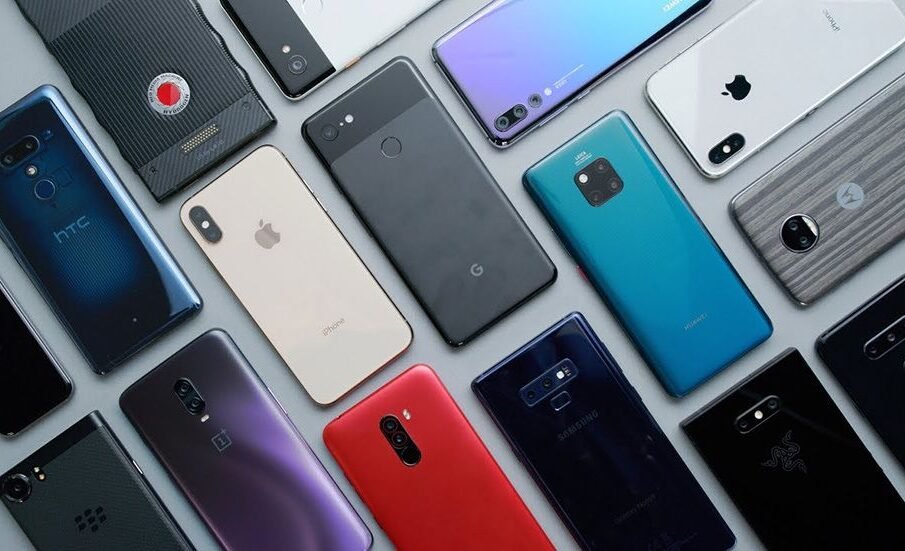
Budget Smartphones in Nigeria
You can buy a capable Android smartphone in Nigeria for less than ₦200,000 in 2026, but the best choice depends on what matters most to you: battery life, camera quality, performance, storage or long-term software support.
Models such as the Xiaomi Redmi 15C, POCO C85, Samsung Galaxy A07, Tecno Spark 40 and itel Power 80 offer useful combinations of large displays, substantial batteries and enough storage for everyday apps.
However, a phone’s advertised RAM, megapixel count or charging speed does not automatically make it the best purchase. Buyers should compare the exact storage configuration, processor, warranty and seller before paying.
The prices in this guide were checked against Nigerian retail and technology listings on 13 November 2026. They are indicative rather than guaranteed shop prices. Stock, promotions, seller location and exchange-rate changes can affect the final amount.
Best phones under ₦200,000 at a glance
| Smartphone | Indicative price | Best for |
|---|---|---|
| Xiaomi Redmi 15C (4GB/128GB) | ₦168,000–₦180,000 | Best overall balance |
| POCO C85 (6GB/128GB) | Around ₦167,586 | Value and multitasking |
| Samsung Galaxy A07 (4GB/128GB) | ₦184,760–₦189,000 | Samsung users and everyday performance |
| Tecno Spark 40 | Around ₦163,000–₦193,000, depending on variant and seller | All-round everyday use |
| itel Power 80 (4GB/128GB) | Around ₦199,000 | Battery capacity |
Prices are market references, not fixed quotations. Confirm the exact model, RAM, storage, warranty and seller price before ordering.
1. Xiaomi Redmi 15C: best overall balance
The Xiaomi Redmi 15C is a strong option for buyers who want a large screen, dependable battery capacity and useful everyday performance without spending the full ₦200,000.
The 4GB RAM and 128GB storage version has appeared in Nigerian retail listings at approximately ₦168,000–₦180,000. Its advertised specifications include a 6.9-inch display with a 120Hz refresh rate, a MediaTek Helio G81 Ultra processor, a 6,000mAh battery and a 50MP main camera.
That combination suits people who spend time on WhatsApp, Instagram, TikTok, YouTube, mobile banking and ordinary browsing. The large battery is particularly useful for commuters, students and workers who cannot always charge their phones during the day.
Nevertheless, the Redmi 15C is not a gaming powerhouse. Its processor is designed for everyday tasks and lighter games rather than demanding titles at high graphics settings. Also, a large 6.9-inch display may feel uncomfortable if you prefer compact phones.
Who should buy it? Choose the Redmi 15C if you want a balanced phone with a big display, substantial battery and enough storage for everyday use.
2. POCO C85: strong value for multitasking
The POCO C85 deserves attention because some November 2026 listings place its 6GB RAM and 128GB storage configuration at approximately ₦167,586.
Its main attraction is the combination of 6GB physical RAM, 128GB storage, a 6,000mAh battery and a large 120Hz display. The device shares several core hardware characteristics with the Redmi 15C, making it an interesting alternative for buyers who want more physical memory at a similar price.
More RAM can help when switching between several everyday applications. For example, you might move between WhatsApp, a browser, a banking application and a music player without constantly closing everything.
However, more RAM does not automatically mean a faster processor. The chipset still determines much of the phone’s processing capability, particularly when running demanding applications or games.
Before choosing the POCO C85, compare its warranty and software experience with the Redmi 15C. Also, confirm that the seller is offering the exact 6GB/128GB version rather than a lower configuration.
Who should buy it? It is worth considering if you prioritise physical RAM and multitasking while staying below ₦200,000.
3. Samsung Galaxy A07: a practical Samsung option
The Samsung Galaxy A07 is a sensible choice for buyers who prefer Samsung’s software environment and want a phone for regular communication, work and entertainment.
The 4GB/128GB version has appeared in Nigerian listings at approximately ₦184,760–₦189,000. The 4G model is associated with a MediaTek Helio G99 processor, a 6.7-inch display with a 90Hz refresh rate and a 5,000mAh battery.
Its processor gives it a useful performance advantage over some entry-level chipsets. That does not make it a premium gaming phone, but it can handle common applications and ordinary multitasking.
Samsung’s software experience is another reason to consider it. Buyers who already use Samsung devices may find the interface familiar. However, do not assume every Galaxy A07 listing has the same specifications. Check whether the seller is offering the 4G or 5G version and confirm the exact RAM and storage.
The battery is smaller than the 6,000mAh options on this list, and the screen refresh rate is lower than the 120Hz displays offered by some competitors. These are reasonable compromises if you value Samsung’s ecosystem and the A07’s processor.
Who should buy it? Consider the Galaxy A07 if you want a Samsung phone for everyday use and prefer its software experience.
4. Tecno Spark 40: an all-round everyday phone
The Tecno Spark 40 is another option worth comparing before making a purchase. Nigerian listings and market guides have placed different configurations within an approximate ₦163,000–₦193,000 range.
Depending on the version, the phone offers a 120Hz display, a 5,200mAh battery and 45W charging. Some listings also advertise IP54 protection, which provides limited protection against dust and splashes. It is not waterproof, so do not deliberately expose it to water.
One practical advantage is charging speed. If electricity supply is inconsistent, faster charging can help you make better use of short periods when power is available. Nevertheless, the charger supplied in the box and the phone’s supported charging standard should be confirmed before purchase.
Pay particular attention to the RAM description. A listing that says “4GB + 4GB” may combine 4GB physical RAM with virtual memory. It does not mean the phone contains 8GB of physical RAM.
Who should buy it? The Spark 40 is a good shortlist candidate if you want a balanced everyday phone with fast charging and a smooth display.
5. itel Power 80: for buyers who prioritise battery life
The itel Power 80 is aimed at people who value battery capacity above almost everything else. Its 4GB/128GB version has appeared in listings around ₦199,000, placing it close to the top of this budget.
Its standout feature is a 7,000mAh battery. That capacity can be useful for delivery riders, students, traders, field workers and people who spend long hours away from a charging point.
The phone also has a large display, but buyers should consider the trade-off between battery size and charging time. A large battery can take longer to recharge, particularly when the device supports a more modest charging speed than some rivals.
Its processor is designed for everyday use rather than intensive gaming. If you regularly edit videos, play demanding games or run several heavy applications, compare its performance with the Galaxy A07 before deciding.
Who should buy it? Choose the Power 80 if battery capacity is your priority and you are comfortable spending almost the full ₦200,000 budget.
How to choose the right smartphone for your needs
A phone can look impressive on a retailer’s product page and still be the wrong purchase. Use these checks to narrow your options.
Check physical RAM, not just advertised RAM
Some manufacturers use virtual RAM, which borrows a portion of internal storage to support memory management. It is not the same as physical RAM.
For everyday use, 4GB of physical RAM is a reasonable starting point, although 6GB can offer more flexibility when switching between applications. If a seller advertises “8GB RAM” or “16GB RAM”, ask how much is physical and how much is virtual.
Choose enough internal storage
A 128GB phone is a more comfortable starting point for many users in 2026. Photos, videos, WhatsApp media, applications and system updates can consume storage quickly.
If you record videos frequently or download films and music, consider a larger storage option. Also, check whether the device supports a microSD card and whether using one affects the availability of a second SIM slot.
Look beyond the camera megapixels
A 50MP camera does not guarantee better photographs than a 13MP or 48MP camera. Image processing, sensor quality, lens design, stabilisation and software all matter.
Before buying, look for sample photographs from the exact model. Pay attention to indoor images, night photographs, skin tones and moving subjects. These examples will tell you more than the megapixel figure alone.
Compare processors and real-world performance
The processor affects how quickly a phone opens applications, handles games and processes photographs. If you use your phone mainly for messaging, banking and social media, an entry-level processor may be sufficient.
However, content creators and mobile gamers should pay closer attention to chipset performance. A phone with a higher refresh-rate screen may look smoother when scrolling, but that does not automatically make its processor more powerful.
Confirm warranty and after-sales support
A cheaper phone from an unknown seller may become expensive if it develops a fault and you cannot access reliable repairs.
Ask whether the device carries a manufacturer-backed warranty, how long the warranty lasts and where authorised service is available. Keep your receipt, packaging and warranty documents.
Where to buy budget smartphones in Nigeria
You can compare prices on established online marketplaces such as Jumia, Konga and Amazon. You can also visit recognised physical retailers and authorised brand stores.
These are ordinary retailer links, not tracked affiliate links. If an article later uses affiliate tracking links, the publisher should disclose that relationship clearly.
Before paying online, check the seller’s rating, product reviews, return policy and delivery terms. A marketplace listing does not automatically mean the seller is authorised by the phone manufacturer.
Amazon buyers in Nigeria should also calculate shipping, import charges, delivery time and warranty limitations. A phone that appears cheaper in dollars may cost more after it arrives.
How to avoid fake and misleading smartphone listings
Counterfeit devices and misleading specifications remain serious risks for Nigerian buyers. Some listings advertise unrealistic RAM, storage or camera specifications to make inexpensive devices appear more powerful.
Protect your money with these steps:
- Buy from a credible seller: Check the seller’s history and whether the brand recognises the retailer.
- Confirm the model number: Compare the model number on the box with the manufacturer’s official specifications.
- Inspect the packaging: Look for damaged seals, inconsistent labels and signs that the device has been repackaged.
- Test the phone before leaving the shop: Check the screen, cameras, speakers, charging port, fingerprint sensor, SIM reception and Wi-Fi.
- Verify the device information: Check the IMEI using the manufacturer’s or network provider’s recommended verification process. Avoid sharing your IMEI publicly.
- Request a receipt: Ensure the receipt states the model, storage configuration, price and seller details.
- Understand the return policy: Ask what happens if the device develops a fault shortly after purchase.
If you are buying a used phone, inspect the battery condition, screen, charging port and repair history. A second-hand flagship may look attractive, but an old battery or unsupported software can reduce its value.
Make your ₦200,000 budget work harder
The best smartphone under ₦200,000 is not necessarily the phone with the highest megapixel count or the largest advertised RAM. It is the device that handles your daily needs, has a dependable battery, offers enough storage and comes with a warranty you can actually use.
For a balanced purchase, start with the Redmi 15C and Tecno Spark 40. Consider the POCO C85 if physical RAM is important, the Galaxy A07 if you prefer Samsung and the itel Power 80 if battery capacity comes first.
Finally, compare at least three sellers and confirm the exact variant before making payment. A careful purchase today can save you the cost and inconvenience of replacing a phone too soon.
Frequently asked questions
1. Which is the best phone under ₦200,000 in Nigeria in 2026?
The Xiaomi Redmi 15C is a strong all-round option because it combines a large display, 6,000mAh battery and 128GB storage. The Tecno Spark 40, POCO C85 and Samsung Galaxy A07 are also worth considering, depending on your priorities and the current price.
2. Which phone under ₦200,000 has the biggest battery?
The itel Power 80 is one of the strongest options in this shortlist, with a 7,000mAh battery. The Redmi 15C and POCO C85 offer 6,000mAh batteries, while the Tecno Spark 40 has a 5,200mAh battery.
3. Can I get a good Samsung phone for less than ₦200,000?
Yes. The Samsung Galaxy A07 4G with 4GB RAM and 128GB storage has appeared in Nigerian listings below ₦200,000. Confirm the exact version, seller and warranty before paying.
4. Is 4GB RAM enough for a smartphone in 2026?
Four gigabytes of physical RAM can handle basic tasks such as messaging, browsing, mobile banking and social media. However, 6GB of physical RAM may provide more flexibility for multitasking. Virtual RAM should not be counted as a direct replacement for physical memory.
5. Where can I buy affordable smartphones in Nigeria?
You can compare listings on Jumia, Konga and Amazon, as well as recognised physical retailers and authorised brand stores. Check seller ratings, warranty conditions, return policies and the exact device configuration before ordering.



Leave a reply







Africa’s Source for Breaking News | Entertainments | Health | Finance | Sports | Lifestyle and Business News.

