
Benin’s Creative Economy: How Artists Can Turn Talent Into Income
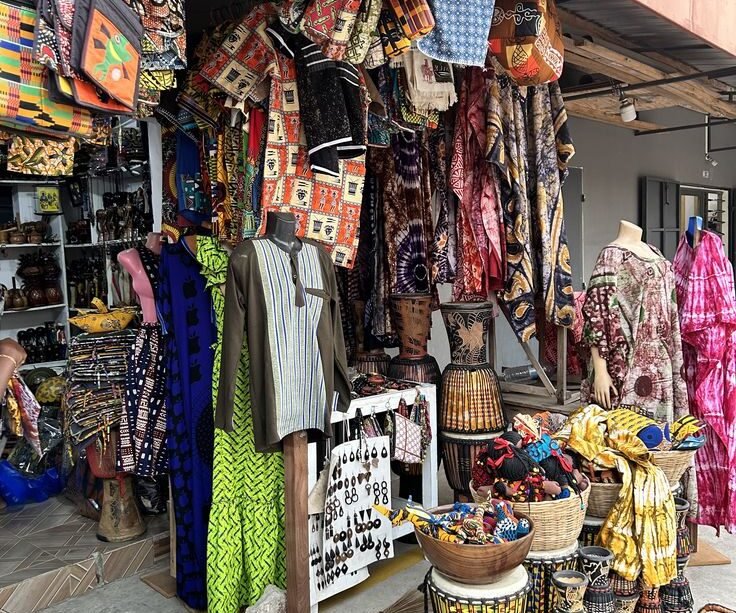
Benin's Creative Economy
The Republic of Benin is working to turn its cultural heritage and creative talent into a stronger source of jobs, business opportunities and economic growth.
From film and music to fashion, visual arts, design and cultural tourism, the country has opportunities for creators who can transform original ideas into products and services that people are willing to pay for.
A significant development came on 4 March 2026, when the Beninese government adopted Decree No. 2026-056, establishing a legal, social and economic status for artists and cultural professionals. The reform aims to clarify professional recognition and strengthen the framework within which creative workers operate.
However, a growing creative economy requires more than talented musicians, filmmakers and designers. It also needs reliable payment systems, professional training, intellectual property protection, distribution channels, investment and customers. Benin’s opportunity lies in connecting its cultural strengths with these commercial foundations.
What is the creative economy?
The creative economy consists of economic activities built around ideas, artistic expression, culture, knowledge and intellectual property. It includes industries that create value through original work and creative services.
In Benin, these activities can include:
- Music production, performance and distribution.
- Film, television, animation and digital video.
- Fashion design, textiles and accessories.
- Painting, sculpture, photography and crafts.
- Graphic design, branding and digital content.
- Festivals, museums, heritage experiences and cultural tourism.
- Publishing, storytelling and other forms of creative media.
These industries can create income in several ways. A musician may earn from performances, streaming, licensing and merchandise. A fashion designer may sell clothing, produce collections for other brands or supply retailers. A filmmaker may earn through commissioned productions, distribution rights, licensing and production services.
The important distinction is that creative talent becomes an economic asset when it connects with a market.
1. Benin’s new legal framework for artists
One of the most important developments for the country’s creative sector is Decree No. 2026-056 of 4 March 2026.
The government adopted the decree to establish a clearer legal, social and economic status for artists and cultural professionals. It replaces the earlier 2011 framework and recognises different categories of creative workers, including professional and semi-professional artists, salaried and independent artists, and other cultural professionals.
The decree also addresses professional rights, access to artistic occupations and the conditions under which public support can be provided. One notable provision introduces a presumption of an employment relationship for artists remunerated by the state, helping clarify certain working arrangements.
Why does this matter?
Many creative workers operate without the protections and documentation that are common in more formal industries. They may receive irregular payments, work without written agreements or struggle to prove their professional status when applying for funding.
A clearer framework can help establish more predictable professional relationships. It can also give policymakers a stronger basis for designing support programmes.
Nevertheless, adopting a decree does not automatically solve every challenge. The real test will be implementation: whether artists can understand their rights, access the relevant processes and benefit from the protections and support the framework provides.
Read the official text of Decree No. 2026-056.
2. Film and television offer opportunities beyond acting
Film is one of the creative industries with potential to generate employment across several professional categories.
A production needs more than actors and directors. It also requires writers, cinematographers, editors, sound engineers, production managers, costume designers, make-up artists, location managers, animators and marketing professionals.
This creates opportunities for young people with different interests and skill sets.
Benin’s Sèmè City ecosystem includes initiatives designed to support innovation, entrepreneurship and creative-industry development. One example is the Sèmè City Film Lab, developed in collaboration with EbonyLife Media and supported by the World Bank. The programme aims to equip young Beninese talent with skills for screen-based industries and create opportunities for selected projects, including short films and television pilots.
Such initiatives are important because film production is both a creative and a commercial activity. A filmmaker needs to understand storytelling, but also budgeting, production planning, contracts, distribution and audience development.
For emerging filmmakers, a practical starting point is to develop a short film or documentary that can demonstrate their abilities. A well-produced short project can become a portfolio piece, support applications for funding and help attract collaborators.
Creators should also think about distribution before production begins. A film may reach audiences through festivals, broadcasters, streaming platforms, educational institutions or direct licensing arrangements. Each route has different costs, requirements and revenue possibilities.
Learn more about Sèmè City’s innovation and human-capital programmes.
3. Music can become a sustainable business
Benin’s musical traditions offer a strong foundation for contemporary creative businesses. Local rhythms, languages, instruments and performance traditions can inspire new sounds that appeal to audiences within the country and across the African diaspora.
However, musicians need more than public recognition to build sustainable careers.
A professional music business can earn income through several channels:
- Live performances and concert bookings.
- Digital streaming and downloads.
- Music licensing for films, advertisements and television.
- Brand partnerships and commissioned compositions.
- Merchandise and fan-supported products.
- Music education, workshops and production services.
Independent artists should begin by organising their professional assets. This includes recording ownership information, songwriting credits, performer agreements, producer contracts and distribution arrangements.
They should also understand how royalties are collected and distributed in the markets where their music is used. Registration with relevant rights-management organisations, where appropriate, can help creators manage their rights more effectively.
For young musicians, a consistent release strategy is often more useful than spending heavily on one music video without a plan. A series of well-produced singles, live performances and engaging digital content can help build an audience gradually.
4. Fashion and design can turn cultural identity into commercial value
Benin’s cultural heritage offers opportunities for designers who want to create products with a recognisable identity.
Textiles, traditional patterns, craftsmanship and contemporary interpretations of local aesthetics can inspire clothing, accessories, footwear, home décor and lifestyle products.
The commercial opportunity is not limited to selling traditional garments. Designers can combine cultural references with modern cuts, sustainable materials and products suited to different customer groups.
For example, a designer could develop a small collection of workwear influenced by local textile patterns, create accessories for tourists or supply costumes for film and theatre productions.
However, turning fashion into a business requires attention to more than design.
Creators must calculate production costs, identify reliable suppliers, establish quality standards, manage stock and understand customer demand. A beautiful product that costs more to produce than customers are willing to pay for may struggle commercially.
Small collections and pre-orders can help emerging designers test demand before committing to large production runs.
Designers should also document their original work and understand the legal options available to protect distinctive designs, logos and brand names.
5. Cultural tourism creates opportunities for local businesses
Benin’s history, heritage sites, festivals, crafts and cultural traditions can support a wider tourism economy.
Cultural tourism creates opportunities for more than hotels and tour operators. Local guides, photographers, transport providers, food vendors, craft producers, performers and event organisers can all participate.
For example, a visitor interested in Beninese heritage may pay for a guided cultural tour, buy locally made products, attend a performance and eat at a nearby restaurant. One visitor’s spending can therefore support several small businesses.
However, cultural tourism needs responsible planning. Communities should have a voice in how their heritage is presented, and tourism businesses should avoid reducing cultural traditions to performances designed only for visitors.
Creators and entrepreneurs can develop experiences that explain the history, meaning and context behind local art, food, music and heritage. This creates a richer experience for visitors while helping local communities retain a meaningful role in the economic benefits.
6. Digital platforms can help creators reach customers beyond Benin
A creator no longer needs to depend entirely on local customers or physical distribution.
Digital platforms allow filmmakers, musicians, designers, illustrators, writers and other professionals to display their work to international audiences. A graphic designer in Cotonou can work with a client in Lagos, Accra, Paris or London. A musician can distribute recordings to listeners across different countries.
However, being online does not automatically produce income. Creators need a clear offer, a professional portfolio and a reliable process for receiving payment.
A practical approach includes:
- Build a focused portfolio: Display your strongest work rather than uploading everything you have produced.
- Define your service: Explain whether you offer video editing, illustration, music production, photography, design or another service.
- Show the commercial value: Demonstrate how your work helps a client communicate, sell, entertain or solve a problem.
- Set clear prices and terms: Explain what the client receives, how many revisions are included and when payment is due.
- Use written agreements: Document deadlines, ownership, usage rights and payment arrangements.
- Develop repeat business: Maintain professional communication and follow up after completing projects.
Creators should also understand platform fees, payment restrictions, currency conversion and tax obligations. These details can affect the amount they actually receive from international clients.
7. What is holding the creative economy back?
Benin’s creative potential does not remove the practical challenges facing artists and entrepreneurs.
Limited access to finance
Creative projects often require equipment, production budgets, workspace, marketing and distribution costs. Traditional lenders may struggle to assess businesses whose assets include intellectual property or irregular future earnings.
Specialised grants, production funds, affordable finance and transparent selection processes can help address this gap.
Weak business skills
Some talented creators struggle with pricing, accounting, negotiation and customer management. These skills are essential because creative work still needs to operate as a business.
Training should therefore combine artistic development with entrepreneurship, financial literacy, intellectual property and project management.
Inconsistent income
Many creative professionals depend on occasional contracts or performances. This makes it difficult to plan for equipment purchases, rent and other expenses.
Diversifying income can reduce dependence on a single source. A filmmaker, for example, could combine commissioned video production, editing services, workshops and original projects.
Distribution and visibility
Producing quality work is only part of the process. Creators also need access to buyers, distributors, festivals, broadcasters and international partners.
Industry networks, trade events and regional collaborations can help connect Beninese creators with wider markets.
8. How young Beninese creatives can turn talent into income
Young people entering the creative economy should begin with a specific market rather than trying to serve everyone.
A photographer could focus on weddings, product photography or commercial campaigns. A designer could specialise in clothing, brand identity or packaging. A filmmaker could concentrate on documentaries, corporate video or short-form digital content.
Once the service is clear, the next steps become easier.
Create evidence of your ability. Build a portfolio with practical examples, even if your first projects are self-initiated.
Understand your customer. Find out who needs the service, what problem they face and what they are prepared to pay for.
Price the work properly. Include time, equipment, transport, materials, taxes and other operating costs. Do not calculate prices based only on what competitors charge.
Protect your work. Use contracts, keep records of ownership and understand the relevant intellectual property rules.
Build professional relationships. Collaborate with other creators, businesses, institutions and potential clients.
Track your finances. Separate business money from personal spending and record every payment and expense.
These habits help creators move from occasional paid assignments towards more predictable businesses.
Turning cultural strength into lasting economic opportunity
Benin’s creative economy has an important opportunity: it can transform cultural identity, artistic ability and digital innovation into jobs and commercially valuable work.
The 2026 artist-status decree provides a significant legal foundation, while initiatives such as Sèmè City Film Lab point towards the value of training, incubation and industry partnerships. Yet the long-term impact will depend on implementation, access to finance, distribution and the ability of creators to earn fairly from their work.
For young people, the message is practical. Talent is a starting point, not a complete business model. Learn the craft, understand the market, protect your rights and build a professional system around your creativity. That is how artistic expression can become a sustainable source of income.



Leave a reply




Africa’s Source for Breaking News | Entertainments | Health | Finance | Sports | Lifestyle and Business News.


