
Agricultural Innovations Boosting Food Production
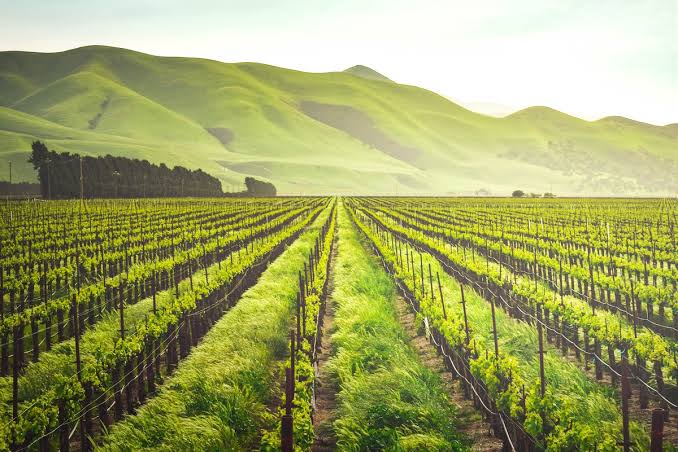
Agricultural Innovations Boosting Food Production
Agriculture remains the backbone of many African economies, providing livelihoods for millions of people and supplying food for rapidly growing populations.
However, farmers continue to face significant challenges, including climate change, land degradation, pests, unpredictable rainfall, and limited access to modern farming tools. To meet the continent’s increasing food demand, innovation is becoming more important than ever.
Across Africa, governments, research institutions, private companies, and local entrepreneurs are introducing innovative agricultural solutions that help farmers produce more food while using resources more efficiently. From precision farming technologies to climate-smart practices, these innovations are transforming the future of food production.
Why Agricultural Innovation Matters
Africa’s population is expected to continue growing significantly over the coming decades. This growth increases the demand for food while reducing the amount of available farmland per person. At the same time, climate-related events such as droughts, floods, and heatwaves are making farming more difficult.
Agricultural innovation helps address these challenges by:
- Increasing crop yields
- Improving soil health
- Reducing production costs
- Conserving water resources
- Minimizing crop losses
- Improving farmers’ incomes
- Strengthening food security
Rather than relying solely on expanding farmland, innovation enables farmers to produce more from existing land sustainably.
Climate-Smart Agriculture
Climate-smart agriculture has become one of Africa’s most important agricultural approaches. It combines sustainable farming methods with technologies designed to improve resilience against changing weather conditions.
Common climate-smart practices include:
Conservation Agriculture
Farmers reduce soil disturbance through minimum tillage while maintaining crop residues on the soil surface. This improves soil fertility, reduces erosion, and conserves moisture.
Crop Rotation
Alternating crops improves soil nutrients naturally while reducing pest infestations and disease outbreaks.
Agroforestry
Integrating trees into farmland provides shade, enriches soils, stores carbon, and creates additional income sources through fruits or timber.
These practices help farmers maintain productivity despite increasingly unpredictable weather patterns.
Improved Seed Varieties
Modern seed breeding has produced crop varieties that mature faster, tolerate drought, resist diseases, and deliver higher yields.
Examples include:
- Drought-resistant maize
- Disease-resistant cassava
- Improved rice varieties
- Heat-tolerant wheat
- High-yield beans
- Early-maturing millet
Many African agricultural research centers continue developing crop varieties specifically suited to local climates and farming conditions.
Improved seeds help farmers harvest more food even under difficult environmental conditions.
Precision Agriculture
Precision agriculture uses technology to help farmers make better decisions based on accurate information rather than guesswork.
Tools include:
- GPS mapping
- Soil testing equipment
- Satellite imagery
- Drone monitoring
- Smart sensors
- Mobile farm management applications
Farmers can identify areas requiring fertilizer, irrigation, or pest treatment instead of applying inputs uniformly across entire fields.
This reduces waste while increasing productivity.
Irrigation Innovations
Rain-fed agriculture dominates much of Africa, making food production vulnerable to changing rainfall patterns.
Modern irrigation solutions are helping farmers produce crops throughout the year.
Drip Irrigation
Water is delivered directly to plant roots, minimizing evaporation and reducing water waste.
Solar-Powered Irrigation
Solar pumps eliminate dependence on expensive diesel fuel while providing reliable irrigation for remote communities.
Smart Irrigation Systems
Sensors monitor soil moisture and automatically supply water only when necessary.
These technologies improve water efficiency while increasing crop yields.
Digital Agriculture
Digital technologies are changing how farmers access information and markets.
Farmers now use mobile phones to:
- Receive weather forecasts
- Learn improved farming techniques
- Access market prices
- Connect with buyers
- Apply for agricultural loans
- Purchase farm inputs
- Obtain crop insurance
Digital platforms reduce information gaps and enable farmers to make informed decisions throughout the growing season.
Mechanization for Smallholder Farmers
Mechanization is no longer limited to large commercial farms. Today, many African startups offer tractor-sharing services, equipment rentals, and machinery-on-demand through digital platforms.
Farmers can access:
- Tractors
- Planters
- Harvesters
- Threshers
- Irrigation pumps
Sharing equipment lowers costs while improving efficiency and reducing labor shortages.
Artificial Intelligence in Agriculture
Artificial intelligence (AI) is becoming increasingly valuable in African agriculture.
AI-powered systems can:
- Detect crop diseases early
- Predict pest outbreaks
- Analyze soil quality
- Recommend fertilizer application
- Forecast harvest yields
- Optimize irrigation schedules
Some smartphone applications even allow farmers to photograph unhealthy plants and receive instant diagnoses.
Early detection prevents large-scale crop losses.
Biotechnology and Research
Agricultural biotechnology continues to improve food production through scientific research.
Researchers are developing crops that:
- Resist pests naturally
- Require less water
- Use nutrients more efficiently
- Produce higher yields
- Survive extreme temperatures
While biotechnology remains carefully regulated in many countries, continued research offers opportunities to strengthen food security.
Sustainable Soil Management
Healthy soil forms the foundation of productive agriculture.
Innovations in soil management include:
- Organic fertilizers
- Composting
- Biofertilizers
- Soil testing services
- Precision fertilizer application
- Cover cropping
Maintaining soil health ensures long-term productivity while reducing dependence on chemical fertilizers.
Post-Harvest Innovations
Food production extends beyond harvesting. Significant amounts of food are often lost before reaching consumers.
Modern post-harvest innovations help reduce these losses through:
- Improved storage facilities
- Hermetic storage bags
- Cold chain systems
- Solar-powered cold rooms
- Better transportation
- Food processing technologies
Reducing post-harvest losses effectively increases available food without expanding production.
Urban Agriculture
As African cities continue growing, urban farming is helping improve food availability.
Innovative urban farming methods include:
- Vertical farming
- Hydroponics
- Rooftop gardens
- Community gardens
- Aquaponics
- Greenhouse farming
Urban agriculture shortens supply chains while providing fresh produce close to consumers.
Renewable Energy in Agriculture
Renewable energy is reducing farming costs while supporting sustainable production.
Farmers increasingly use:
- Solar-powered irrigation
- Solar dryers
- Solar cold storage
- Biogas digesters
- Wind-powered water pumps
These technologies improve productivity while reducing dependence on fossil fuels.
Financial Innovations Supporting Farmers
Access to finance remains one of the biggest barriers to agricultural growth.
Financial innovations now include:
- Mobile banking
- Digital credit scoring
- Agricultural insurance
- Mobile payments
- Input financing
- Crowdfunding for agriculture
Better financial services enable farmers to invest in improved technologies and expand production.
Challenges to Adoption
Despite remarkable progress, several obstacles still limit the widespread adoption of agricultural innovations.
These include:
- High equipment costs
- Limited internet connectivity
- Poor rural infrastructure
- Limited technical training
- Low access to financing
- Inadequate extension services
Addressing these challenges requires collaboration between governments, private investors, research institutions, and development organizations.
The Future of African Agriculture
The future of agriculture in Africa lies in combining traditional farming knowledge with modern innovation. Advances in digital technology, biotechnology, renewable energy, mechanization, and climate-smart farming are helping farmers increase productivity while protecting natural resources.
Young entrepreneurs are also entering the agricultural sector with creative solutions that improve efficiency across the food value chain, from production and storage to transportation and retail.
As innovation continues to spread, Africa is well-positioned to strengthen food security, reduce food imports, create employment opportunities, and become a global leader in sustainable agriculture.
Conclusion
Agricultural innovation is reshaping food production across Africa. From improved seed varieties and smart irrigation systems to digital farming platforms and renewable energy solutions, these advancements are enabling farmers to produce more food using fewer resources.
Although challenges remain, continued investment in technology, education, infrastructure, and research will accelerate agricultural transformation. By embracing innovation, African farmers can build resilient food systems that nourish growing populations, support rural livelihoods, and contribute to long-term economic development.
Agriculture has always been central to Africa’s growth. With innovation driving the sector forward, the continent has an unprecedented opportunity to achieve greater food security and sustainable prosperity for future generations.



Leave a reply





Africa’s Source for Breaking News | Entertainments | Health | Finance | Sports | Lifestyle and Business News.


