
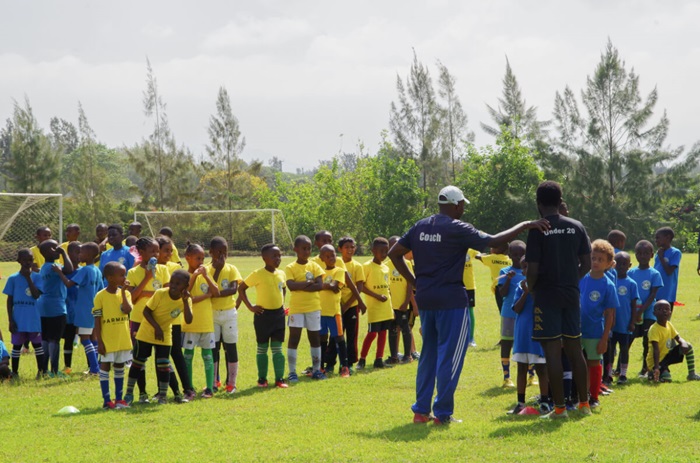
Sports Academies Developing Future Champions
Across Africa and around the world, sports academies have become essential institutions for identifying, nurturing, and developing young athletic talent.
More than just training centers, these academies combine professional coaching, education, sports science, and character development to prepare athletes for successful careers both on and off the field. As global sports become increasingly competitive, structured talent development has proven to be one of the most reliable pathways for producing future champions.
From football academies in Nigeria and Ghana to athletics training centers in Kenya and swimming programs in South Africa, sports academies are helping young people transform raw potential into world-class performance. They provide opportunities that many talented athletes would otherwise never receive, creating pathways to professional leagues, international competitions, scholarships, and lifelong careers.
This article explores the growing importance of sports academies, their role in athlete development, the challenges they face, and how they are shaping the next generation of sporting excellence.
The Evolution of Sports Academies
Decades ago, many successful athletes emerged through informal community competitions, school sports, or neighborhood clubs. While these avenues still produce talented individuals, modern sports demand higher levels of preparation. Today’s athletes require specialized coaching, nutrition, injury prevention, psychological training, and performance analysis from an early age.
Sports academies evolved to meet these demands by creating structured environments where young athletes receive comprehensive development. Their goal is not only to improve athletic performance but also to build discipline, resilience, teamwork, and leadership.
Many professional clubs now operate their own youth academies, recognizing that investing in homegrown talent offers long-term competitive and financial benefits.
Identifying Talent at an Early Age
One of the greatest strengths of sports academies is their ability to identify promising athletes early in life. Talent scouts regularly visit schools, community tournaments, and local competitions to discover individuals with exceptional physical abilities, technical skills, and mental determination.
However, successful academies understand that talent alone is not enough. They evaluate several factors, including:
- Athletic potential
- Coachability
- Work ethic
- Discipline
- Commitment
- Emotional maturity
- Physical development
Many athletes who initially appear less gifted eventually outperform naturally talented peers because they consistently demonstrate dedication and perseverance.
Professional Coaching Makes the Difference
The quality of coaching significantly influences athletic development. Professional coaches help athletes refine techniques, improve decision-making, increase physical fitness, and develop tactical awareness.
Modern coaching extends beyond teaching technical skills. Coaches also focus on:
- Goal setting
- Mental preparation
- Communication
- Leadership
- Sportsmanship
- Adaptability
Regular performance assessments allow coaches to identify weaknesses and adjust training programs according to each athlete’s needs.
As a result, athletes receive personalized guidance rather than one-size-fits-all instruction.
Integrating Education with Sports
The best sports academies recognize that athletic careers can be unpredictable. Injuries, competition, and changing opportunities make education an essential component of long-term success.
Many academies therefore combine academic studies with athletic training. Students continue learning mathematics, sciences, languages, technology, and business while pursuing sporting excellence.
This balanced approach prepares athletes for life after retirement from professional sports and helps them become well-rounded individuals capable of contributing to society in multiple ways.
Parents are increasingly attracted to academies that prioritize both academic achievement and athletic performance.
Sports Science and Modern Training
Technology has transformed athlete development. Sports academies increasingly rely on sports science to maximize performance while minimizing injury risks.
Modern facilities often include:
- Biomechanical analysis
- GPS performance tracking
- Heart rate monitoring
- Recovery programs
- Strength and conditioning centers
- Nutrition counseling
- Physiotherapy
- Video performance analysis
These tools help athletes understand their bodies, monitor progress, and improve efficiently.
Rather than relying solely on intuition, coaches now make evidence-based decisions supported by data.
Mental Strength: The Hidden Competitive Advantage
Elite competition places enormous psychological demands on athletes. Pressure from fans, media, coaches, and personal expectations can significantly affect performance.
Sports academies increasingly employ sports psychologists to help athletes develop:
- Confidence
- Emotional control
- Concentration
- Motivation
- Stress management
- Resilience
Mental conditioning enables athletes to perform consistently under pressure and recover quickly from setbacks.
Many champions attribute their success not only to physical ability but also to their mental preparation.
Nutrition and Healthy Living
Proper nutrition plays a vital role in athletic success. Sports academies educate athletes about balanced diets, hydration, recovery nutrition, and healthy lifestyles.
Nutrition programs are often customized according to:
- Age
- Sport
- Training intensity
- Body composition
- Performance goals
Good eating habits improve recovery, reduce injuries, increase energy levels, and enhance overall performance.
Athletes also learn the dangers of performance-enhancing drugs and the importance of competing ethically.
Building Character Through Sport
Successful academies aim to produce responsible citizens, not merely successful athletes.
Participation in organized sports teaches valuable life lessons, including:
- Discipline
- Respect
- Accountability
- Teamwork
- Leadership
- Time management
- Integrity
- Perseverance
These qualities benefit athletes throughout their lives, whether they continue competing professionally or pursue careers in other fields.
Many employers value former athletes because they often possess strong work ethics and collaborative skills.
Opportunities Created by Sports Academies
Sports academies open doors that extend far beyond local competitions.
Graduates often gain access to:
- Professional sports clubs
- National teams
- International tournaments
- University scholarships
- Coaching careers
- Sports management
- Media opportunities
- Entrepreneurship within the sports industry
For many young people, especially those from underserved communities, sports become a powerful tool for social mobility and economic advancement.
Africa’s Growing Sports Academy Landscape
Africa has witnessed remarkable growth in organized sports development over the past two decades. Football remains the dominant sport, but academies are increasingly supporting athletics, basketball, rugby, tennis, swimming, cricket, volleyball, and martial arts.
Countries such as Nigeria, Ghana, Senegal, Kenya, South Africa, Morocco, and Egypt have invested in youth development programs that are producing internationally recognized athletes.
African academies are increasingly partnering with international clubs, universities, and sporting organizations to provide better facilities, coaching exchanges, and scholarship opportunities.
These collaborations expose young athletes to global standards while allowing them to remain connected to their local communities.
Challenges Facing Sports Academies
Despite impressive progress, many sports academies continue to face significant challenges.
Limited funding often restricts access to quality facilities, equipment, qualified coaches, and medical support.
Other common challenges include:
- Inadequate infrastructure
- Limited sponsorship
- Poor talent identification systems in rural areas
- Unequal access for girls and women
- Lack of sports science professionals
- Inconsistent government support
- Financial barriers for families
Addressing these issues requires collaboration among governments, private investors, schools, sporting federations, and local communities.
The Role of Parents and Communities
Parents play a crucial role in supporting young athletes. Encouragement, emotional support, healthy expectations, and educational guidance contribute significantly to long-term success.
Communities also create environments where young athletes can flourish by organizing competitions, maintaining safe recreational spaces, and celebrating local sporting achievements.
When schools, families, coaches, and communities work together, athletes receive a strong foundation that extends beyond technical training.
Looking Ahead
The future of sports academies will be shaped by continued advances in technology, data analytics, sports medicine, and digital learning. Virtual coaching platforms, wearable technology, artificial intelligence, and personalized performance analysis are already transforming athlete development.
At the same time, inclusivity will become increasingly important. Expanding opportunities for girls, athletes with disabilities, and young people from rural communities will help unlock even greater pools of talent.
Sustainability, ethical governance, and athlete welfare are also expected to become central priorities as academies evolve.
Conclusion
Sports academies are far more than training grounds for future professionals. They are institutions that develop talent, character, education, leadership, and opportunity. Through structured coaching, modern technology, academic support, and holistic personal development, these academies prepare young athletes to compete at the highest levels while becoming responsible members of society.
As Africa continues to invest in youth development and sporting infrastructure, sports academies will remain vital engines for discovering the continent’s next generation of champions. Their impact extends beyond medals and trophies, inspiring communities, creating economic opportunities, and proving that with the right guidance, dedication, and support, extraordinary talent can flourish anywhere.




Leave a reply




Africa’s Source for Breaking News | Entertainments | Health | Finance | Sports | Lifestyle and Business News.


