
Food Processing Businesses Creating Jobs
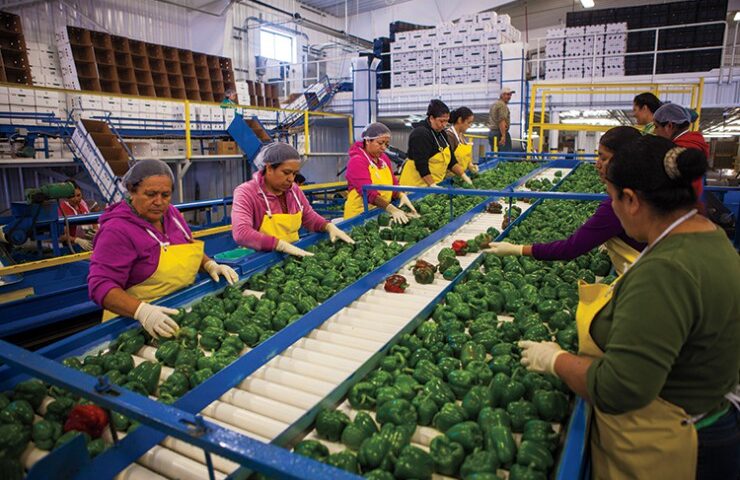
Food Processing Businesses Creating Jobs
Food processing is one of the most powerful yet often overlooked drivers of economic growth.
Across Africa, thousands of entrepreneurs are transforming raw agricultural products into packaged foods, beverages, spices, snacks, and other value-added products. In doing so, they are not only meeting the growing demand for convenient and high-quality food but also creating jobs, boosting local economies, and reducing post-harvest losses.
As Africa’s population continues to grow and urban lifestyles evolve, food processing businesses have become increasingly important. They bridge the gap between farmers and consumers, ensuring that agricultural produce reaches the market in forms that are easier to transport, store, and consume. From small family-owned enterprises to large manufacturing companies, food processors are proving that adding value to locally grown crops can generate significant employment opportunities and contribute to long-term economic development.
The Growing Importance of Food Processing
Agriculture has long been the backbone of many African economies. Millions of people earn their livelihoods from farming, yet much of the continent’s agricultural produce is still sold in its raw form. While exporting raw commodities can generate income, processing those products locally creates far greater economic value.
Food processing involves transforming raw agricultural products into finished or semi-finished goods. This includes cleaning, sorting, drying, milling, fermenting, canning, freezing, packaging, and preserving food products. Every stage of the process requires skilled and unskilled workers, making the industry a major source of employment.
As consumers increasingly seek convenience, food safety, and longer shelf life, demand for processed food continues to rise, creating new opportunities for businesses of all sizes.
Creating Employment Across the Value Chain
Food processing businesses generate jobs far beyond factory floors. They create opportunities throughout the agricultural value chain, supporting thousands of livelihoods.
Supporting Farmers
Food processors provide reliable markets for farmers by purchasing crops, livestock, fruits, vegetables, and other agricultural products in large quantities. This encourages farmers to increase production, adopt better farming practices, and invest in improved equipment.
When farmers have guaranteed buyers, they experience more stable incomes, which benefits rural communities and strengthens local economies.
Manufacturing and Production Jobs
Processing facilities require workers to handle a variety of tasks, including:
- Cleaning and grading raw materials
- Operating machinery
- Food preparation
- Quality control
- Packaging
- Equipment maintenance
- Warehouse management
These positions range from entry-level roles to highly skilled technical careers, providing employment for people with diverse educational backgrounds.
Logistics and Transportation
Once food products are processed, they must be transported to wholesalers, retailers, restaurants, supermarkets, and export markets.
This creates jobs for:
- Truck drivers
- Delivery personnel
- Warehouse operators
- Distribution managers
- Supply chain coordinators
A thriving food processing sector strengthens the entire logistics ecosystem, benefiting businesses involved in transportation and storage.
Packaging and Printing Industries
Modern food businesses rely heavily on attractive and functional packaging. As food processing expands, demand also grows for manufacturers producing:
- Plastic containers
- Glass bottles
- Cartons
- Labels
- Flexible packaging
- Printed marketing materials
These supporting industries create thousands of additional employment opportunities.
Reducing Post-Harvest Losses
One of Africa’s biggest agricultural challenges is post-harvest loss. Large quantities of fruits, vegetables, grains, and other produce spoil before reaching consumers due to inadequate storage, transportation, and processing facilities.
Food processing helps solve this problem by converting highly perishable products into goods with longer shelf lives.
For example:
- Tomatoes become tomato paste.
- Mangoes become dried fruit or juice.
- Cassava becomes garri or flour.
- Milk becomes yogurt and cheese.
- Peppers become powdered spices or sauces.
Instead of allowing excess harvests to go to waste, processors create products that can be sold throughout the year, improving food security and increasing farmers’ incomes.
Empowering Small and Medium Enterprises
Not every successful food processor operates a large factory. Across Africa, countless small and medium-sized enterprises (SMEs) are making significant contributions to employment.
Home-based businesses and community enterprises process products such as:
- Ground spices
- Honey
- Dried fish
- Plantain chips
- Palm oil
- Peanut butter
- Fruit juices
- Local snacks
- Flour
- Traditional beverages
Many of these businesses begin with only a few employees but gradually expand into larger operations as demand increases.
Supporting SMEs through access to finance, training, and modern equipment can significantly accelerate job creation.
Encouraging Youth Employment
Youth unemployment remains a major challenge in many African countries. Food processing offers practical career opportunities that combine entrepreneurship, technology, and agriculture.
Young people are establishing businesses that specialize in:
- Healthy snacks
- Organic food products
- Frozen meals
- Ready-to-cook ingredients
- Packaged spices
- Fresh juices
- Indigenous foods
- Export-ready agricultural products
Digital marketing and e-commerce platforms also enable young entrepreneurs to reach customers beyond their local communities, opening new markets and creating additional jobs.
Promoting Women’s Economic Participation
Women play essential roles throughout Africa’s food systems. Many operate food processing businesses ranging from cottage industries to medium-sized enterprises.
By processing agricultural products, women generate income while creating employment for others within their communities.
Women’s participation in food processing contributes to:
- Household income growth
- Financial independence
- Community development
- Improved family nutrition
- Local economic resilience
Programs that improve women’s access to credit, training, and technology can multiply these benefits and strengthen the broader economy.
Driving Rural Development
Food processing businesses often establish operations close to farming communities to reduce transportation costs and maintain product freshness. This brings investment into rural areas that may otherwise experience limited economic activity.
The presence of processing facilities encourages improvements in:
- Roads
- Electricity
- Water supply
- Storage infrastructure
- Communication networks
These developments benefit not only businesses but also schools, healthcare facilities, and local residents.
Opportunities in Export Markets
African food products are gaining recognition internationally. Processed goods such as cocoa products, coffee, tea, spices, dried fruits, shea butter, cashew nuts, and traditional sauces are increasingly finding markets across Europe, North America, Asia, and the Middle East.
Export-oriented food processing businesses create additional jobs in:
- International marketing
- Export compliance
- Food safety certification
- Customs documentation
- International logistics
Meeting global quality standards also encourages continuous innovation and investment within the industry.
Challenges Facing Food Processing Businesses
Despite its enormous potential, the food processing sector faces several obstacles.
Common challenges include:
- Limited access to affordable financing
- High energy costs
- Poor transportation infrastructure
- Inconsistent electricity supply
- Limited cold storage facilities
- Difficulty accessing modern processing equipment
- Food safety compliance costs
- Competition from imported products
Addressing these barriers requires collaboration between governments, financial institutions, development organizations, and the private sector.
The Future of Food Processing in Africa
The future of food processing is promising. Rising urban populations, increasing demand for convenience foods, improved technology, and expanding regional trade are creating favorable conditions for growth.
Innovations such as solar-powered processing equipment, digital supply chain management, improved food preservation techniques, and environmentally friendly packaging are helping businesses become more efficient and competitive.
The African Continental Free Trade Area (AfCFTA) also presents opportunities for processors to access larger regional markets, encouraging investment and creating even more employment opportunities across borders.
As governments continue to prioritize industrialization and agricultural transformation, food processing will remain a key driver of inclusive economic growth.
Conclusion
Food processing businesses are far more than manufacturers of packaged food, they are engines of job creation, innovation, and economic development. By adding value to locally produced agricultural products, they create employment across farming, manufacturing, logistics, packaging, retail, and export industries. They reduce food waste, improve food security, empower women and young entrepreneurs, and stimulate rural development.
For Africa to fully unlock the potential of its agricultural resources, greater investment in food processing is essential. Supporting businesses with better infrastructure, financing, technology, and skills development will not only strengthen the food industry but also build more resilient economies and create sustainable livelihoods for millions of people. As the sector continues to grow, it offers a clear path toward shared prosperity, transforming local harvests into opportunities that benefit communities across the continent.




Leave a reply







Africa’s Source for Breaking News | Entertainments | Health | Finance | Sports | Lifestyle and Business News.


