
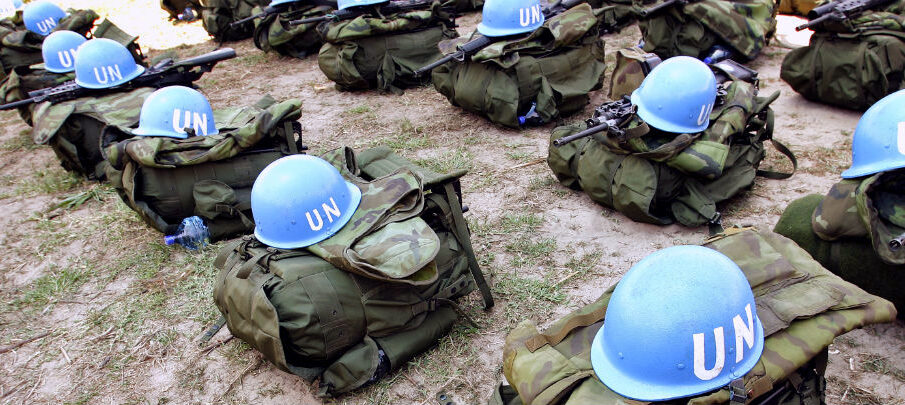
Africa's Role in International Peacekeeping
Peacekeeping has become one of the most important tools for maintaining international peace and security in an increasingly interconnected world.
As conflicts continue to emerge in different regions, countries across the globe contribute personnel, expertise, and resources to stabilize war-torn societies and protect vulnerable populations. Among these contributors, Africa occupies a unique and significant position.
The African continent has experienced numerous conflicts since the mid-twentieth century, ranging from civil wars and insurgencies to ethnic violence and political instability. These experiences have shaped African nations into active participants in peacekeeping efforts, both within the continent and internationally. Through organizations such as the African Union (AU), regional economic communities, and the United Nations (UN), African countries have become key contributors of military personnel, police officers, and civilian experts.
This article examines Africa’s evolving role in international peacekeeping, highlighting its historical contributions, institutional frameworks, successes, ongoing challenges, and future prospects.
Understanding International Peacekeeping
International peacekeeping refers to the deployment of military, police, and civilian personnel to conflict-affected regions with the objective of preserving peace, protecting civilians, supporting political processes, and facilitating humanitarian assistance. Most peacekeeping operations are authorized by the United Nations Security Council, although regional organizations such as the African Union also conduct peace support operations.
Peacekeeping missions generally aim to:
- Monitor ceasefires and peace agreements.
- Protect civilians from violence.
- Support democratic governance and elections.
- Assist in disarmament and reintegration of former combatants.
- Strengthen national institutions.
- Promote long-term stability and development.
Unlike traditional military interventions, peacekeeping missions operate with the consent of the parties involved and emphasize impartiality and minimum use of force.
Africa’s Historical Journey in Peacekeeping
Africa’s involvement in peacekeeping dates back to the early years of independence. Initially, many African countries contributed troops to United Nations missions outside the continent. Over time, however, internal conflicts across Africa increased the need for regional peacekeeping initiatives.
The devastating conflicts in countries such as Rwanda, Liberia, Sierra Leone, Somalia, Sudan, and the Democratic Republic of the Congo highlighted both the necessity and urgency of African-led responses.
The establishment of the African Union in 2002 marked a turning point. Replacing the Organization of African Unity (OAU), the AU adopted a more proactive approach toward conflict prevention, peace enforcement, and post-conflict reconstruction.
Today, African countries not only participate in UN peacekeeping missions but also lead regional peace operations designed specifically for African conflicts.
Major African Contributors to Peacekeeping
Several African nations consistently rank among the world’s largest contributors of peacekeeping personnel.
Rwanda
Despite experiencing one of history’s most devastating genocides in 1994, Rwanda has become one of the leading contributors to United Nations peacekeeping operations. Rwandan peacekeepers have served in countries including the Central African Republic and South Sudan, earning recognition for professionalism and discipline.
Ghana
Ghana has maintained a long tradition of peacekeeping since the 1960s. Ghanaian soldiers, police officers, and medical personnel have participated in numerous UN operations across Africa, the Middle East, and Asia. Peacekeeping has become an important aspect of Ghana’s foreign policy and military training.
Ethiopia
Ethiopia has supplied thousands of troops to missions in Abyssinia, Sudan, South Sudan, and Somalia. Its strategic location and experienced military have made it an essential partner in regional security efforts.
Nigeria
As Africa’s most populous nation, Nigeria has played a leading role in West African peacekeeping. Through the Economic Community of West African States (ECOWAS), Nigerian forces were instrumental in stabilizing Liberia and Sierra Leone during prolonged civil wars.
Senegal
Senegal has consistently contributed troops, police personnel, and military observers to numerous UN peacekeeping operations. Its peacekeepers are widely respected for their professionalism and multilingual capabilities.
The African Union’s Peace and Security Architecture
The African Union has developed one of the world’s most comprehensive regional peace and security frameworks.
Key institutions include:
Peace and Security Council (PSC)
The PSC functions similarly to the UN Security Council by monitoring conflicts, authorizing interventions, and promoting preventive diplomacy.
African Standby Force (ASF)
The ASF is designed as a rapid deployment force composed of military, police, and civilian experts drawn from Africa’s five regional blocs. Although still evolving, it represents Africa’s commitment to managing its own security challenges.
Continental Early Warning System
This mechanism collects and analyzes information on potential conflicts before they escalate, allowing preventive action whenever possible.
Panel of the Wise
This body consists of respected African leaders who mediate disputes and encourage peaceful dialogue between conflicting parties.
Together, these institutions aim to strengthen Africa’s capacity to respond quickly and effectively to emerging crises.
Regional Organizations Supporting Peacekeeping
Beyond the African Union, regional organizations play crucial roles.
ECOWAS
ECOWAS has successfully intervened in conflicts across West Africa, particularly in Liberia, Sierra Leone, Guinea-Bissau, and The Gambia. Its peacekeeping missions have helped restore constitutional order and democratic governance.
Southern African Development Community (SADC)
SADC has supported peace operations in countries such as Lesotho and the Democratic Republic of the Congo while promoting regional stability.
Intergovernmental Authority on Development (IGAD)
IGAD has been instrumental in mediating conflicts in the Horn of Africa, particularly in South Sudan and Somalia.
These regional institutions complement United Nations operations while addressing local political realities.
Notable Peacekeeping Missions Involving African Forces
Somalia (AMISOM and ATMIS)
The African Union Mission in Somalia (AMISOM), later transitioned into the African Union Transition Mission in Somalia (ATMIS), represents one of Africa’s largest and most complex peace operations. Troops from Uganda, Burundi, Kenya, Ethiopia, and Djibouti have worked together to combat terrorism and strengthen Somalia’s government institutions.
Darfur, Sudan
The African Union initially deployed peacekeepers to Darfur before partnering with the United Nations in a hybrid operation. This collaboration became one of the first large-scale AU-UN peacekeeping partnerships.
Liberia
ECOWAS forces, led largely by Nigeria, helped end Liberia’s devastating civil wars and paved the way for democratic elections and national reconstruction.
Sierra Leone
Regional peacekeepers supported disarmament efforts, protected civilians, and restored stability following years of brutal conflict.
These missions demonstrate Africa’s growing leadership in resolving continental security challenges.
Benefits of Africa’s Peacekeeping Contributions
Africa’s involvement in peacekeeping produces several important benefits.
Improved Regional Stability
Peacekeeping helps prevent conflicts from spreading across national borders, reducing regional insecurity.
Professional Military Development
Participation in international missions exposes African security forces to advanced training, modern operational standards, and multinational cooperation.
International Recognition
African countries that contribute consistently gain diplomatic influence and strengthen their relationships with global institutions.
Economic Opportunities
Although peacekeeping is not primarily an economic activity, reimbursements from UN missions provide financial support for participating countries and improve military capabilities.
Humanitarian Impact
Perhaps the greatest benefit is the protection of civilians. Peacekeepers often safeguard vulnerable communities, facilitate humanitarian aid, and create conditions necessary for rebuilding societies.
Challenges Facing African Peacekeeping
Despite notable achievements, significant obstacles remain.
Funding Constraints
Many African peace operations rely heavily on financial support from international partners. Limited domestic resources often restrict mission sustainability.
Equipment Shortages
Some missions suffer from inadequate transportation, communication systems, medical facilities, and surveillance technology.
Complex Security Threats
Modern conflicts increasingly involve terrorist organizations, transnational criminal networks, cyber threats, and asymmetric warfare, making peacekeeping more dangerous and complicated.
Political Differences
Regional disagreements sometimes delay rapid responses to emerging crises.
Safety Risks
Peacekeepers frequently operate in hostile environments where they face attacks from armed groups, disease outbreaks, and difficult terrain.
Addressing these challenges requires stronger cooperation between African governments, international organizations, and development partners.
The Future of African Peacekeeping
Africa’s role in global peacekeeping is expected to expand as security challenges evolve. Future priorities include investing in modern military equipment, improving intelligence sharing, strengthening conflict prevention mechanisms, increasing women’s participation in peace operations, and enhancing cooperation between the African Union and the United Nations.
Technological innovation, including drones, satellite monitoring, artificial intelligence, and digital communication systems—may further improve the effectiveness of peacekeeping missions.
Equally important is the growing emphasis on preventing conflicts before they erupt. Greater investment in governance, education, economic development, and mediation can reduce the need for large-scale military interventions.
Conclusion
Africa has transformed from being viewed primarily as a recipient of international peacekeeping assistance to becoming one of its most important contributors. Through the dedication of thousands of soldiers, police officers, and civilian experts, African nations have helped restore stability, protect civilians, and support post-conflict reconstruction in some of the world’s most challenging environments.
Organizations such as the African Union, ECOWAS, SADC, and IGAD have demonstrated that regional leadership is essential for addressing African security challenges. While funding limitations, equipment shortages, and evolving threats continue to pose difficulties, Africa’s commitment to peacekeeping remains strong.
For students and researchers, Africa’s peacekeeping experience offers valuable insights into regional cooperation, international diplomacy, security studies, and conflict resolution. As the continent continues to strengthen its peace and security institutions, its influence in shaping global peacekeeping policy is likely to become even more significant in the years ahead.
Ultimately, Africa’s growing leadership in international peacekeeping reflects a broader commitment to creating a more peaceful, stable, and secure world, one in which African nations are not merely participants but essential architects of lasting peace.




Leave a reply




Africa’s Source for Breaking News | Entertainments | Health | Finance | Sports | Lifestyle and Business News.


