
Nigerian Christmas Traditions by Region
Nigerian Christmas Traditions
Nigerian Christmas traditions vary across the country, but family reunions, church services, festive meals, music, gift-giving and community visits feature prominently in many celebrations.
From the South-West to the North-East, households combine Christian observances with local languages, regional dishes, family customs and seasonal festivities. There is no single way to celebrate Christmas in Nigeria; each community brings its own identity to the season.
Christmas Day falls on 25 December, but celebrations often begin days earlier. People travel to their hometowns, prepare food, attend church programmes, decorate homes and organise gatherings. For many families, the most meaningful part of the holiday is not the size of the meal or the cost of the clothes. It is the opportunity to reconnect with relatives and share time with people they may not see regularly.
Key facts about Christmas in Nigeria
- Christmas Day: 25 December.
- Boxing Day: 26 December.
- Main themes: Worship, family, generosity, food, music and community.
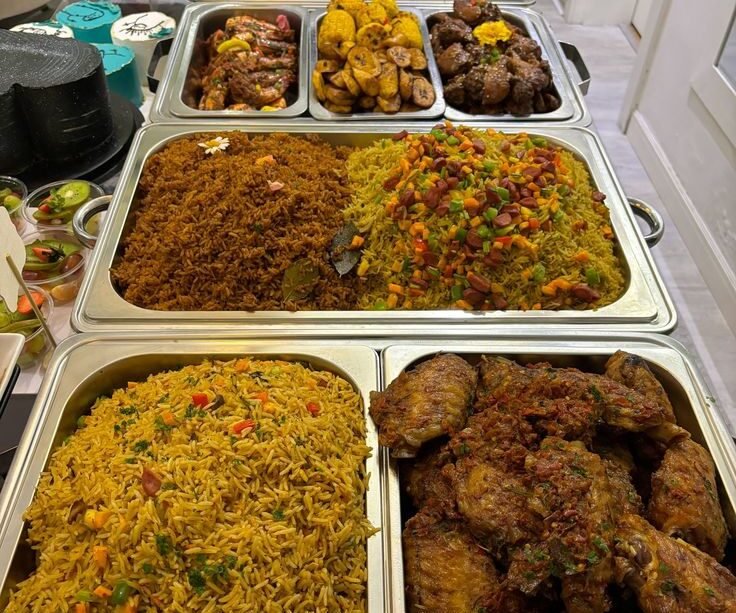
- Common festive foods: Rice dishes, chicken, goat meat, soups, swallows, snacks and local drinks.
- Regional differences: Languages, traditional dishes, music, family customs and local festivities vary by community.
1. South-West Nigeria: Family Visits, Church Services and Festive Tables
The South-West includes Lagos, Ogun, Oyo, Osun, Ondo and Ekiti. Christmas celebrations in the region reflect a mix of Yoruba cultural traditions, Christian worship, urban lifestyles and extended-family relationships.
Family reunions and hometown visits
For many families, Christmas offers a reason to travel from cities such as Lagos and Ibadan to visit relatives in smaller towns and villages. Children reconnect with grandparents, cousins and family friends, while adults exchange greetings and catch up on family developments.
Some households organise large Christmas lunches or evening gatherings. Others attend church before visiting relatives or welcoming guests at home.
In Yoruba-speaking communities, greetings such as Ẹ kú ọdún, ẹ kú ìyẹ́dún are commonly associated with festive well-wishing. However, the exact expression and pronunciation can vary, and people may simply use English or another language they share.
Food and hospitality
Jollof rice, fried rice, chicken, beef, assorted meat, moi moi, plantain and vegetable salads appear on many festive tables. Some households also prepare traditional soups and swallows, including egusi, efo riro and other dishes that reflect family preferences.
In Lagos, Christmas menus may include food purchased from caterers or prepared through shared family contributions. In smaller communities, relatives may contribute ingredients, cooking labour or money towards a large family meal.
The emphasis is often on hospitality. Visitors may arrive with drinks, food or gifts, while hosts prepare enough to welcome relatives and neighbours.
Music, fashion and church activities
Churches organise carol services, concerts, dramas and special Christmas programmes. Choirs may perform familiar hymns and contemporary gospel music.
New clothes also feature in many family celebrations. Some people choose matching outfits for photographs or family gatherings, while others dress in traditional attire for church and visits.
2. South-East Nigeria: New Yam Heritage, Family Gatherings and Igbo Identity
The South-East includes Abia, Anambra, Ebonyi, Enugu and Imo. Christmas in the region often combines Christian worship with strong family connections and expressions of Igbo identity.
Returning home for Christmas
For many people who live or work outside their home communities, December provides an opportunity to return and reconnect with relatives. Families may organise visits, reunions and community gatherings.
Church attendance remains important for many Christian households. Special services, choir performances and Christmas celebrations bring congregations together.
Some communities also use the festive period to hold family meetings or community events. The exact customs differ between towns and families, so there is no single South-East Christmas routine.
Traditional dishes and festive meals
Rice dishes, chicken, goat meat, soups and assorted meat are common in many households. Traditional foods may include:
- Ofe nsala: A white soup prepared in different ways across Igbo communities.
- Ofe onugbu: Bitterleaf soup served with a preferred swallow.
- Oha soup: A traditional soup featuring oha leaves.
- Abacha: African salad made from processed cassava.
- Nkwobi: A spicy cow-foot dish often served as a special meal.
Families may serve these dishes alongside jollof rice, fried rice and other festive favourites.
The New Yam Festival, known in many Igbo communities as Iri Ji or Iwa Ji, is a separate cultural celebration associated with the yam harvest. It is not a Christmas festival, although both may form part of a family’s wider annual calendar of cultural and religious events.
Community identity and celebration
Some communities hold cultural gatherings, traditional performances and visits during the festive period. These events may involve age grades, town unions, family associations and local institutions.
For people living in cities, returning home can be as important as the Christmas meal itself. It provides an opportunity to maintain family ties and participate in community life.
3. South-South Nigeria: Coastal Food, Community Visits and Cultural Expression
The South-South includes Akwa Ibom, Bayelsa, Cross River, Delta, Edo and Rivers states. Its communities have diverse languages, food traditions and cultural histories.
Food traditions across the region
The region’s festive meals reflect its coastal and riverine environments, agricultural produce and different ethnic identities.
Depending on the household and community, Christmas meals may include:
- Edikang ikong: A vegetable-rich soup associated with Efik and Ibibio food traditions.
- Afang soup: A popular soup prepared with afang leaves and other ingredients.
- Banga soup: A palm-fruit-based soup prepared in several southern communities.
- Owo soup: A traditional dish associated with parts of the Niger Delta and Edo areas.
- Fresh fish and seafood: Prepared in different styles depending on local availability.
- Rice and festive proteins: Common additions to family celebrations.
These dishes are not exclusive to Christmas. Rather, families may prepare them for the season because they are valued foods associated with hospitality and local identity.
Music, dance and cultural activities
Some households include traditional music and dance in their celebrations. Others focus on church programmes, family meals and visits.
In Cross River State, December also brings the Calabar Carnival, a major annual cultural and entertainment event. It is a separate event from Christmas worship, but its timing adds to the festive atmosphere in the state.
The region’s cultural variety is especially visible in its languages, dress, music and food. An Edo household may have different customs from an Ibibio, Ijaw, Itsekiri or Efik household, even though they share the same broad geographical region.
4. North-Central Nigeria: Diverse Communities and Shared Celebrations
North-Central Nigeria includes the Federal Capital Territory, Benue, Kogi, Kwara, Nasarawa, Niger and Plateau states. The region has a wide range of ethnic and religious communities, so Christmas celebrations can look very different from one location to another.
Church programmes and family gatherings
Christian communities often organise Christmas services, carol events, choir performances and family visits. Some households travel from Abuja to their ancestral towns, while others remain in the city and celebrate with friends and neighbours.
In places such as Jos, Makurdi, Lokoja and Ilorin, celebrations reflect the cultural identities of the people who live there.
Regional food and hospitality
Festive meals may include rice, chicken, goat meat, soups, local vegetables and traditional dishes. In Benue, yam and other agricultural produce have an important place in food culture. In parts of Kwara and Kogi, household menus may reflect Yoruba, Nupe, Ebira, Igala and other influences.
Because the region is culturally diverse, it is better to understand Christmas meals through particular communities and families rather than assigning one menu to the entire zone.
Neighbourhood celebrations
Some communities organise shared meals, visits and activities for children. Others use the season to reconnect with relatives and support people who need assistance.
In Abuja, the festive period can also involve organised concerts, family outings and visits to public attractions. These urban activities exist alongside the more personal traditions families maintain at home.
5. North-West and North-East Nigeria: Christian Communities and Regional Diversity
The North-West and North-East are often discussed mainly through their large Muslim populations, but both regions also have Christian communities with their own Christmas traditions. The scale and nature of celebrations vary significantly between states, towns and individual households.
Christian celebrations in the North
In communities where Christians form part of the local population, Christmas may include church services, carols, family meals and visits. People may travel to join relatives or invite friends to celebrate.
In Kaduna, Plateau’s neighbouring communities and parts of Adamawa and Taraba, Christian households may bring together local food traditions and familiar Nigerian Christmas dishes.
Some families prepare rice, chicken, goat meat, soups and local specialities. Others organise larger gatherings around church events and community programmes.
Food, languages and hospitality
Northern Nigeria has a wide range of food traditions. Depending on the community, festive meals may include rice and stew, tuwo with soup, masa, grilled meat, pepper soup and other dishes.
Hausa-speaking Christians may use the greeting Barka da Kirsimati. However, the North is home to many languages and ethnic groups, so greetings differ across communities.
Christmas is not a shared religious celebration for every resident of the North. Muslim neighbours may exchange friendly greetings or participate in social visits, while maintaining their own religious observances.
Understanding the regional differences
It is important not to assume that every northern community celebrates in the same way. The North-West and North-East contain numerous ethnic groups, languages and religious traditions. Local history, security conditions, family circumstances and access to transport can also influence how people celebrate.
6. What Makes a Nigerian Christmas Feel Nigerian?
Despite regional differences, several themes appear repeatedly across many Nigerian Christmas celebrations.
Family and belonging
Christmas often creates an opportunity for relatives to reconnect. People may travel long distances, organise family photographs, visit elders and introduce younger family members to relatives they rarely see.
Food and generosity
Food plays an important role in hospitality. Many households prepare more than they would on an ordinary day, while neighbours and friends may exchange meals or share ingredients.
Faith and gratitude
For Christian households, church services and prayer remain central to the celebration. Carol services, nativity plays and Christmas messages help communities reflect on the religious meaning of the season.
Music and entertainment
Music, dance, television programmes, concerts and community events contribute to the festive atmosphere. Children may look forward to new clothes, outings and time with cousins, while adults enjoy reunions and social visits.
Giving and community support
Some families use Christmas to support relatives, neighbours and people facing hardship. This may involve sharing food, providing transport assistance or contributing to community projects.
7. How to Prepare for a Regional Christmas Celebration
If you are hosting relatives or travelling to celebrate, planning early can reduce stress and unnecessary spending.
- Confirm your guest list: Find out who is travelling and when they expect to arrive.
- Plan your menu: Choose dishes that reflect your family’s preferences and regional traditions.
- Set a realistic budget: Include transport, food, gifts, cooking fuel and other expenses.
- Share responsibilities: Ask relatives to contribute ingredients, cooking, serving or transport.
- Respect different customs: Consider guests’ dietary needs, religious practices and preferences.
- Plan travel carefully: Confirm transport arrangements and allow room for delays.
- Avoid unnecessary waste: Prepare quantities that match the number of guests and store leftovers safely.
Families, restaurants and community groups that buy large quantities of food may also consider organised bulk purchasing. Easer Lifestyle Africa’s bulk food-sharing service provides information about shared buying arrangements. Confirm the current items, quantities, prices and availability before making plans.
Celebrate the Traditions That Bring People Together
Nigerian Christmas is not defined by one dish, one language or one regional custom. It is shaped by the people who celebrate it and the traditions they choose to maintain.
A family in Enugu may centre its celebration on returning home and preparing traditional soups. A household in Lagos may host a large lunch after church. A family in Calabar may combine Christmas gatherings with the excitement of December festivities, while Christian communities in northern states may celebrate through worship, food and visits with relatives.
These experiences are different, but they share a familiar purpose: creating time for faith, generosity, family and connection. Understanding the regional variety makes Nigerian Christmas richer, more meaningful and worth celebrating.
Frequently Asked Questions
1. How is Christmas celebrated in Nigeria?
Many Nigerians celebrate Christmas through church services, family gatherings, festive meals, music, gift-giving and visits to relatives. Customs differ across ethnic groups, states and individual households.
2. What food is commonly eaten at Christmas in Nigeria?
Jollof rice, fried rice, chicken, goat meat, assorted meat, soups, swallows, plantain, moi moi and festive snacks are common options. Regional and family preferences influence the final menu.
3. Do all regions in Nigeria celebrate Christmas in the same way?
No. Christmas traditions differ across the country. Languages, food, music, community activities and family customs vary between regions and even between neighbouring communities.
4. What is the Yoruba Christmas greeting?
A commonly used Yoruba festive greeting is Ẹ kú ọdún, ẹ kú ìyẹ́dún. It is used to wish people a happy celebration and a joyful festive period.
5. Is the New Yam Festival the same as Christmas in Igbo communities?
No. The New Yam Festival, known as Iri Ji or Iwa Ji in many Igbo communities, is a cultural celebration connected to the yam harvest. Christmas is a Christian religious holiday. Families may observe both at different times of the year.


Leave a reply






Africa’s Source for Breaking News | Entertainments | Health | Finance | Sports | Lifestyle and Business News.


